
EPISODE · Jul 7, 2020 · 17 MIN
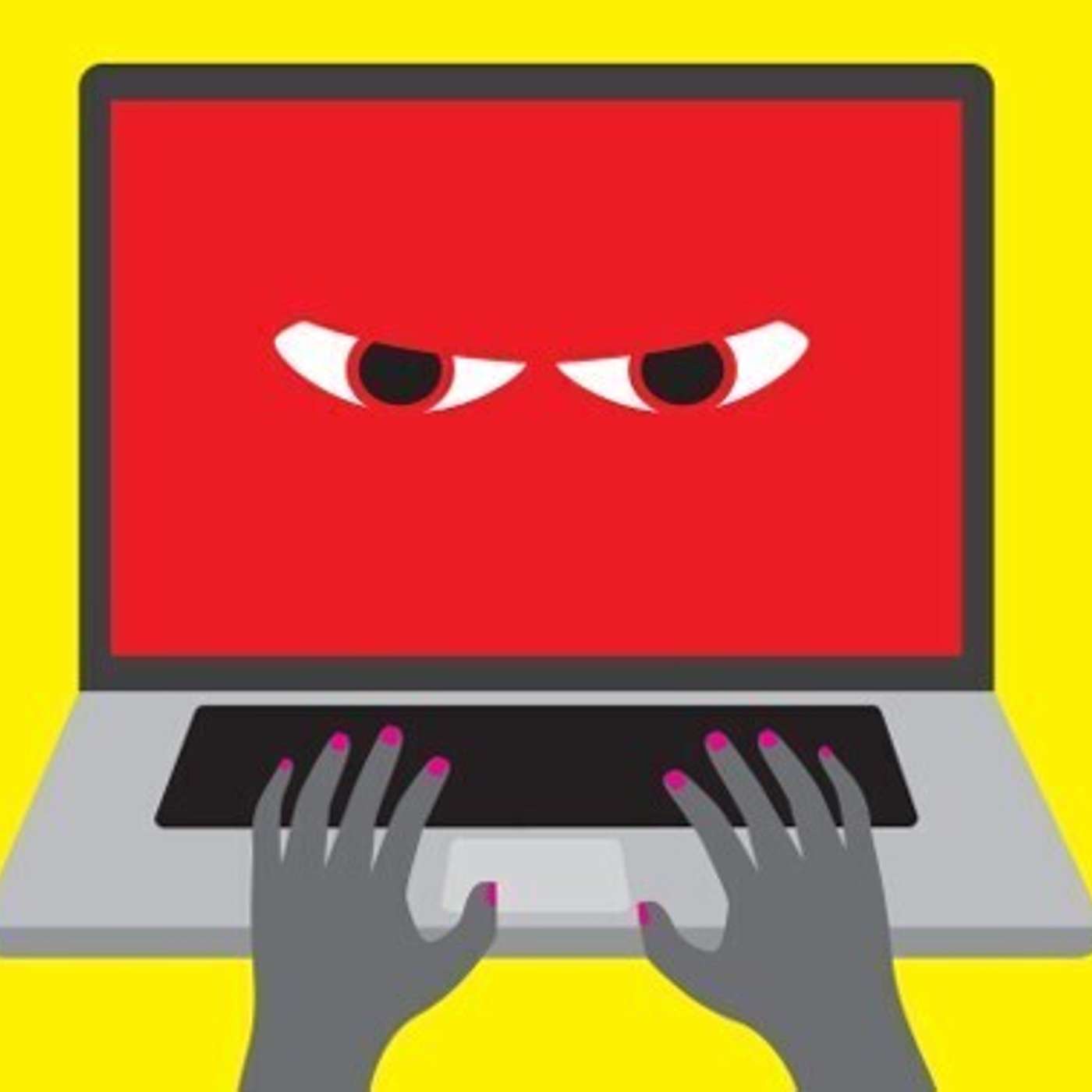
MSU addressing a rise in virtual harassment
from MSU Today with Russ White · host Russ White
We're all spending a lot more time in virtual spaces and that's likely to continue well into our future, even as we might be slowly moving back towards more in-person meetings and classes. But virtual spaces aren't void of harassment. Harassment can show up in these spaces of learning and working just like in-person. Here to define and talk about virtual harassment are Lydia Weiss from Michigan State University's Prevention Outreach and Education Department (POE), and Erin Martin with MSU’s Office of Institutional Equity (OIE). “When we're talking about virtual harassment, we're looking at willful and/or repeated harm inflicted through the use of electronic tools,” says Martin. “And these are tools that we use really every day. But now that we are working primarily remotely, we may be using them more than we had before. When OIE is looking at harassment and what harassment is either in person or in this new virtual environment, we're looking at really two types of harassment that are discriminatory in nature. That would be harassment that is against somebody because of their age, color, gender, gender identity, disability status, height, marital status, national origin, political persuasion, race, religion, sexual orientation, veteran status, or weight. So that's one umbrella of harassment that we may see in these virtual spaces. “The second kind of harassment that we may see falls under what we would consider relationship violence or sexual misconduct. And that's loosely defined as unwelcome sexual advances, requests for sexual favors, or other unwelcome behavior of a sexual nature. In these virtual spaces, we acknowledge that even though we are not face to face, we are still having interactions. Most virtual harassment can be placed under one of those groups.” Martin and Weiss describe the difference between virtual harassment and social media harassment. “In a lot of ways they can intersect, but in this new virtual learning environment for the university, we are especially letting people into our most private spaces. We're letting people into the environments where we feel the most secure and safe. When we're talking about virtual harassment, we're talking about people using this new relationship and environment in a negative way.” “If you're an instructor or a faculty member in a classroom, it's important to set expectations for virtual spaces,” says Weiss. “What are the expectations for how we interact in this space? Are people able to private chat one another? That's a space where these private interactions might lead to some virtual harassment. “Are you requiring the use of video? That can make some people feel safer and some people feel more unsafe. Really it's ultimately about how are we fostering community and respect in these virtual classrooms. Do your students know what they can do if they're experiencing or witnessing virtual harassment in this space? Do they know that they can come to you to talk about something that might've made them uncomfortable in the classroom? And how are you going to address it as a community in that space? On the flip side of that, if you're a student in the classroom, ultimately you have potentially less power in that space, so your responsibility is very different than that of a faculty member or instructor. That intervention likely will look different.” Weiss explains the three D’s of bystander intervention: direct, distract, and delegate. “Sometimes, one of the reasons we don't intervene is we don't always recognize behavior as harassing behavior,” Martin adds. “Sometimes I think we get caught up on the most dramatic forms of harassment. We first started having this conversation when Zoom bombings were occurring and they were really intense and graphic and disturbing. But harassment in these spaces can be much more subtle as well. It can be as small as aggressively interrupting people or talking over them during meetings. It can be using language that's inappropriate or offensive. “It is in everyone's best interest and in the community's best interest to report anything that feels uncomfortable that you think may be harassment. We would rather have reports come in that we have to analyze whether or not they're appropriate to take further than people be fearful to make reports or think, ‘Oh, I know harassment, and that's not harassment, so I'm not going to report it.’ We would really rather have anything that comes in that feels uncomfortable and let us take it from there.” “The thing that I want folks to know about virtual harassment is that it has a big impact,” Weiss adds. “Just because it happens in a virtual setting doesn't mean that it doesn't have a huge impact. Virtual harassment is a serious issue and there are support and resources available to you.” “It’s important for the campus and the community to understand that harassment doesn't stop just because we're not in physical spaces, it can just look different,” says Martin. “It’s still something that the university is committed to address to make sure people are feeling supported.”MSU Today airs every Sunday morning at 9:00 on WKAR News/Talk at 105.1 FM, AM 870, and your smart speaker.
Embed this episode
What this episode covers
Harassment can show up in these spaces of learning and working just like in-person.
Ready to play
MSU addressing a rise in virtual harassment
No transcript for this episode yet
Similar Episodes
No similar episodes found.
Similar Podcasts
No similar podcasts found.