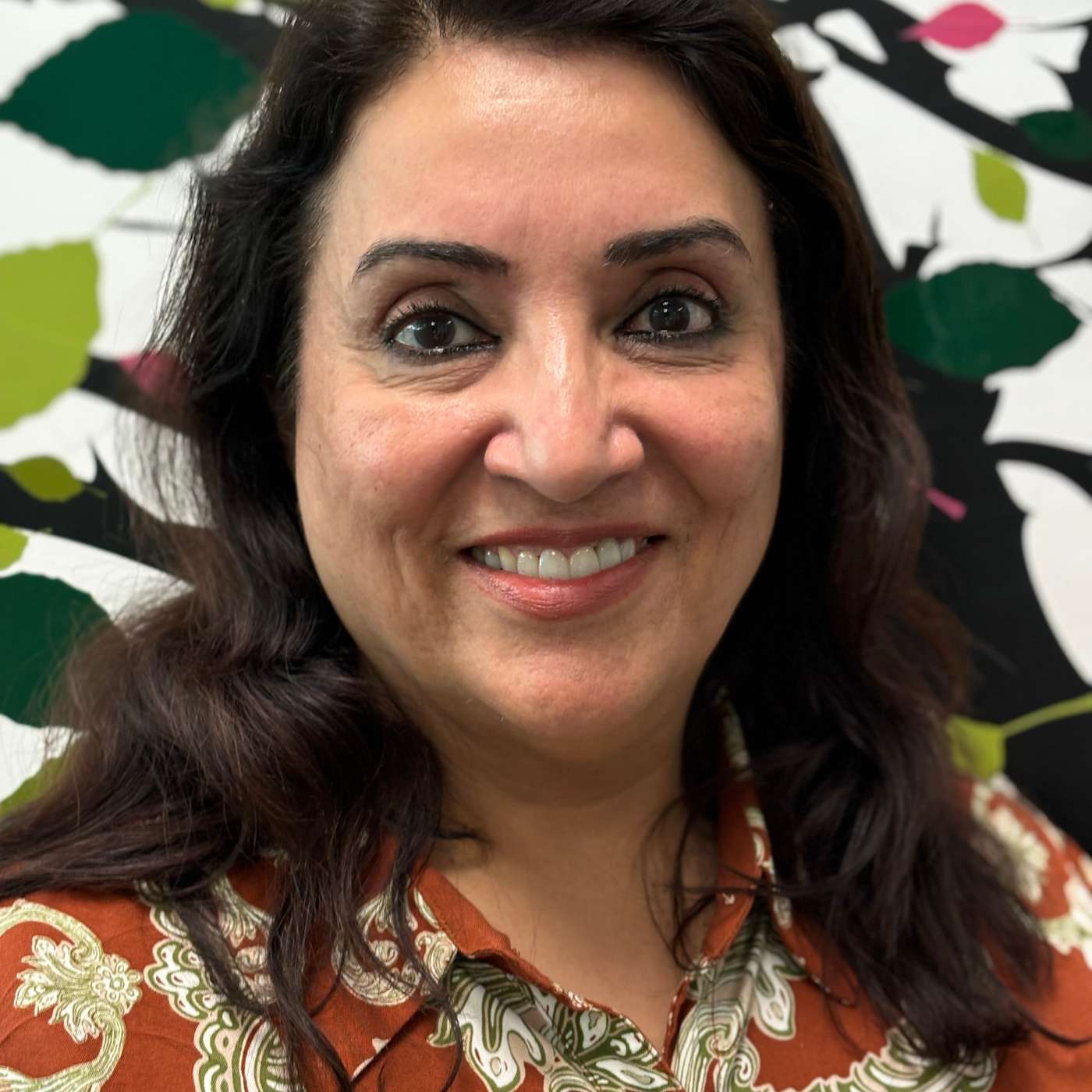
MSU Psychiatrist Viewing Wellness Through the Lens of Equity episode artwork

EPISODE · Aug 9, 2024 · 42 MIN

MSU Psychiatrist Viewing Wellness Through the Lens of Equity

from MSU Today with Russ White · host Russ White

Farha Abbasi is a clinical assistant professor in the Department of Psychiatry at Michigan State University and core faculty member of the Muslim Studies Program. And she’s a Crain’s Detroit Business Health Care Hero for 2024. As Ryan Kelly wrote for Crain’s, “Dr. Abbasi is working through fear, politics and stigma to treat mental health in Michigan’s Muslim, minority and LGBTQ+ communities, while navigating geopolitical events.” Conversation Highlights: (0:35) – Dr. Abbasi on the honor from Crain’s. (1:06) – When how and why did you first come to the United States? And why did you choose to come to MSU? The welcoming Spartan culture played a role. (2:07) – Describe your research and clinical interests. “To care is to cure. Sometimes you find your purpose and sometimes your purpose finds you.” (3:44) – What do you mean by the color of wellness? – “Wellness is best when viewed through the lens of equality. It’s not only the absence of disease but also living to the best of your potential.” (6:35) – How do you define lifestyle medicine? – “What’s the price of blueberries, and what’s the price of a cheeseburger? Your zip code should not determine your wellness.” (8:14) – What are you doing to address these issues? – “Each one of us can be part of the solution or part of the problem. We have to stay visible to be viable. You can’t fly under the radar.” (11:34) – As a psychiatrist, are you pleased by society’s increased focus on mental health? “Yes, but is it translating into funding, resources and effective policy? I see huge gaps there. We need to bring prevention to mental health, too.” (16:31) – Do you believe that many of the available resources are underutilized? “There is a trust deficit with people of color.” (18:42) – What is the 988 crisis line? And what is Avail to Prevail? “It’s about creating more awareness of what mental illnesses are and identifying the resources and building trust.” (21:02) – What are your healing circles? “They’re designed to provide a safe space. We want everyone to thrive and come together. You can feel safe, speak up and be validated and heard.” (24:38) – How is the situation in Gaza impacting your work, and why do you feel Muslims tend to feel unsafe talking about their mental health?  (30:43) – What is the Cultural Psychiatry Curriculum? – “We don’t live in a vacuum. We all bring our culture with us. I tell the new generation it’s your iCloud that you’re bringing with you. The lens through which we view the world is partially defined by where we were born, how we were raised, what our belief system is, etc.” (32:58) – What is the Muslim Mental Health Conference and Consortium? “When you put it on a group to be a model minority that is also under political surveillance, that’s a lethal combination.” (36:21) – The Greater Lansing United Nations Association is honoring you with a Global Goals – Local Leaders Award. “What I like about awards is that I feel like I’m being heard. It’s starting to matter what I’m saying.” (37:44) – What are your final thoughts? – “I challenge each one of us to go deeper into understanding what equity and inclusiveness means. MSU and the Spartan spirit gets it. That’s why so many of us are attracted here. What’s meaningful for me always is being a Spartan.” Listen to MSU Today with Russ White on the radio and through Spotify, Apple Podcasts, and wherever you get your shows.

Farha Abbasi is a clinical assistant professor in the Department of Psychiatry at Michigan State University and core faculty member of the Muslim Studies Program. And she’s a Crain’s Detroit Business Health Care Hero for 2024. As Ryan Kelly wrote for Crain’s, “Dr. Abbasi is working through fear, politics and stigma to treat mental health in Michigan’s Muslim, minority and LGBTQ+ communities, while navigating geopolitical events.” Conversation Highlights: (0:35) – Dr. Abbasi on the honor from Crain’s. (1:06) – When how and why did you first come to the United States? And why did you choose to come to MSU? The welcoming Spartan culture played a role. (2:07) – Describe your research and clinical interests. “To care is to cure. Sometimes you find your purpose and sometimes your purpose finds you.” (3:44) – What do you mean by the color of wellness? – “Wellness is best when viewed through the lens of equality. It’s not only the absence of disease but also living to the best of your potential.” (6:35) – How do you define lifestyle medicine? – “What’s the price of blueberries, and what’s the price of a cheeseburger? Your zip code should not determine your wellness.” (8:14) – What are you doing to address these issues? – “Each one of us can be part of the solution or part of the problem. We have to stay visible to be viable. You can’t fly under the radar.” (11:34) – As a psychiatrist, are you pleased by society’s increased focus on mental health? “Yes, but is it translating into funding, resources and effective policy? I see huge gaps there. We need to bring prevention to mental health, too.” (16:31) – Do you believe that many of the available resources are underutilized? “There is a trust deficit with people of color.” (18:42) – What is the 988 crisis line? And what is Avail to Prevail? “It’s about creating more awareness of what mental illnesses are and identifying the resources and building trust.” (21:02) – What are your healing circles? “They’re designed to provide a safe space. We want everyone to thrive and come together. You can feel safe, speak up and be validated and heard.” (24:38) – How is the situation in Gaza impacting your work, and why do you feel Muslims tend to feel unsafe talking about their mental health?  (30:43) – What is the Cultural Psychiatry Curriculum? – “We don’t live in a vacuum. We all bring our culture with us. I tell the new generation it’s your iCloud that you’re bringing with you. The lens through which we view the world is partially defined by where we were born, how we were raised, what our belief system is, etc.” (32:58) – What is the Muslim Mental Health Conference and Consortium? “When you put it on a group to be a model minority that is also under political surveillance, that’s a lethal combination.” (36:21) – The Greater Lansing United Nations Association is honoring you with a Global Goals – Local Leaders Award. “What I like about awards is that I feel like I’m being heard. It’s starting to matter what I’m saying.” (37:44) – What are your final thoughts? – “I challenge each one of us to go deeper into understanding what equity and inclusiveness means. MSU and the Spartan spirit gets it. That’s why so many of us are attracted here. What’s meaningful for me always is being a Spartan.” Listen to MSU Today with Russ White on the radio and through Spotify, Apple Podcasts, and wherever you get your shows.

NOW PLAYING

MSU Psychiatrist Viewing Wellness Through the Lens of Equity

0:00 42:29

No transcript for this episode yet

We transcribe on demand. Request one and we'll notify you when it's ready — usually under 10 minutes.

MG Show MG Show The MG Show, hosted by Jeffrey Pedersen and Shannon Townsend, is a leading alternative media platform dedicated to uncovering the truth behind today’s most pressing political issues. Launched in 2019, the show has grown exponentially, offering unfiltered insights, comprehensive research, and real-time analysis. With a commitment to independent journalism and factual integrity, the MG Show empowers its audience with knowledge and encourages active participation in the political discourse. French Your Way Jessica: Native French teacher founder of French Your Way Boost your French listening skills and test your comprehension with this one of a kind series of podcasts. Get the chance to listen to a real conversation between native speakers talking at normal speed AND customise your learning experience through carefully designed sets of questions (2 levels of difficulty) available for download at www.frenchvoicespodcast.com. All interviews also come with the transcript. French teacher Jessica interviews native speakers of French from around the world who share a bit of their life and passion. Where else would you meet in one same place a French yoga teacher based in Melbourne, a soap manufacturer from Provence, or a couple cycling around the world? That Hoarder: Overcome Compulsive Hoarding That Hoarder Hoarding disorder is stigmatised and people who hoard feel vast amounts of shame. This podcast began life as an audio diary, an anonymous outlet for somebody with this weird condition. That Hoarder speaks about her experiences living with compulsive hoarding, she interviews therapists, academics, researchers, children of hoarders, professional organisers and influencers, and she shares insight and tips for others with the problem. Listened to by people who hoard as well as those who love them and those who work with them, Overcome Compulsive Hoarding with That Hoarder aims to shatter the stigma, share the truth and speak openly and honestly to improve lives. The Small Business Startup School – Business Notes | Financial Literacy | Retail Psychology – For Professionals & Entrepreneurs The Small Business Startup School Inc. Starting or buying a small business? While personal circumstances may vary, business patterns remain timeless. On The Small Business Startup School, we explore strategies, insights, and practical solutions to help entrepreneurs confidently navigate their journey.Hosted by Ola Williams—a retail entrepreneur, fintech founder, and financial coach with over two decades of experience—this podcast marries financial awareness and retail psychology with optimism to deliver actionable takeaways.Join us to learn, grow, and connect as we uncover the keys to business success.Let’s continue to learn together and be encouraged to keep on connecting!

Frequently Asked Questions

How long is this episode of MSU Today with Russ White?

This episode is 42 minutes long.

When was this MSU Today with Russ White episode published?

This episode was published on August 9, 2024.

What is this episode about?

Farha Abbasi is a clinical assistant professor in the Department of Psychiatry at Michigan State University and core faculty member of the Muslim Studies Program. And she’s a Crain’s Detroit Business Health Care Hero for 2024. As Ryan Kelly wrote...

Can I download this MSU Today with Russ White episode?

Yes, you can download this episode by clicking the download button on the episode player, or subscribe to the podcast in your preferred podcast app for automatic downloads.
URL copied to clipboard!