
EPISODE · Apr 28, 2022 · 14 MIN
MSU Resource Center for Persons with Disabilities has been maximizing ability and opportunity for 50 years
from MSU Today with Russ White · host Russ White
RCPD is celebrating its 50th anniversary.“We've been working busily over the past five decades to help people maximize ability and opportunity,” says Hudson. “We began back in the 1971/72 academic year with a simple goal of helping people with disabilities realize the power of education to change their lives and to promote careers and lives of distinction. Our resource center is intent on maximizing ability and opportunity and helping students as they arrive at the university realize their challenge is simply that - a challenge - and not a blockade to where they want to go with education.”Hudson leads a team of about 20 professionals who work “to receive students as they arrive here at campus to figure out what they need to be successful in the way of accommodations, adjustments, and pathways around campus. Then we go to work helping students solve those problems. We identify the challenge, identify a path forward and work to deliver things what will help them be effective.”About how many people does RCPD help?“Our office works with approximately 3000 students today. If you do the math, that's about six percent of the university population identifying with our program. And disabilities today have really broadened. When I got started in the work, we worked with about one percent of the student population, about 420 when I started here in 1992. And that one percent really consisted of the classic disabilities like the mobility challenges, chronic health, visual, and hearing. And as time went on, the population broadened, and we started to understand the dynamic of learning disabilities and how some people learn differently or need different tools to really make the most of a reading situation or a writing situation.“And then we worked and learned about autism spectrum disorders and how people sometimes have different social interaction capabilities and how we could support those students. The area of invisible disabilities now includes mental health challenges. We work with people who experience anxiety, depression, and other dynamics that make higher education challenging. So, there’s a very broad audience now that is calling on our program for assistance.”Hudson talks about how he became involved in the program and what motivates his work in this field. “My own experience with a disability informed me about the way situations can be hoisted upon us in a way that we don't expect it. We don't welcome it generally, but it's all about how we can learn to adapt to it that really turns out a success story in the end. In my world, I knew that I needed to keep adapting as my vision changed and my disability evolved, and that education was going to be imperative for me. My experience and my investment in this program is really centered on helping other people embrace the challenges they've been given, a disability, and to figure out how education can help them build a life success story and how we can help education be more available and accessible to people who are really hungry to learn. They're ambitious students who need a little something to make this place all it can be.“When I think about what it means to acquire or to have a disability, one of the first things that comes to mind is most people just receive one without asking; it's something that comes. It just lands on you. So how do we embrace the situation at hand? It's probably nothing anybody's going to look forward to having. But when it happens, can you build a network and partnerships that help normalize it and help people realize there is a path forward, even in dire situations? How we deal with the surprise of a disability is one of the things that education's good at helping navigate, taking a challenge and not making it a blockade.“As we look at our next 50 years, I think we're looking at understanding the ways disabilities may continue to evolve. As technology happens, we find ourselves in new dynamics, many of the physical barriers break down for people. When you can Zoom or Microsoft Teams your way to a location, you no longer have to think of about some of the transportation dynamics or the mobility identity. So, for people with mobility challenges, I think redefining how accessibility works in the future will be on our mind. If you came into the program today, you'd probably look around you and say, ‘I don't know who has a disability here and who doesn't.’ It's not like it's always going to be visible. It's continuing to recognize that disabilities affect people in different ways that may not always be immediately visible. And how do we work to understand those dynamics and to understand the needs those students have and to really make sure those hidden identities don't become the reason people can't succeed?“As we reflect on our 50 years of progress at Michigan State University, we realize that our institution has worked for a long time to be inclusive and to welcome people with all sorts of backgrounds. And I'm so happy to say that disabilities have been a part of our fabric and work so well with the university's mission. And I hope that our next 50 years will be as rich as the past 50 years in helping people see the potential that comes from pursuing higher education.”MSU Today airs Saturdays at 5 p.m. and Sundays at 5 a.m. on WKAR News/Talk and Sundays at 8 p.m. on 760 WJR. Find “MSU Today with Russ White” on Spotify, Apple Podcasts, and wherever you get your shows.
Embed this episode
What this episode covers
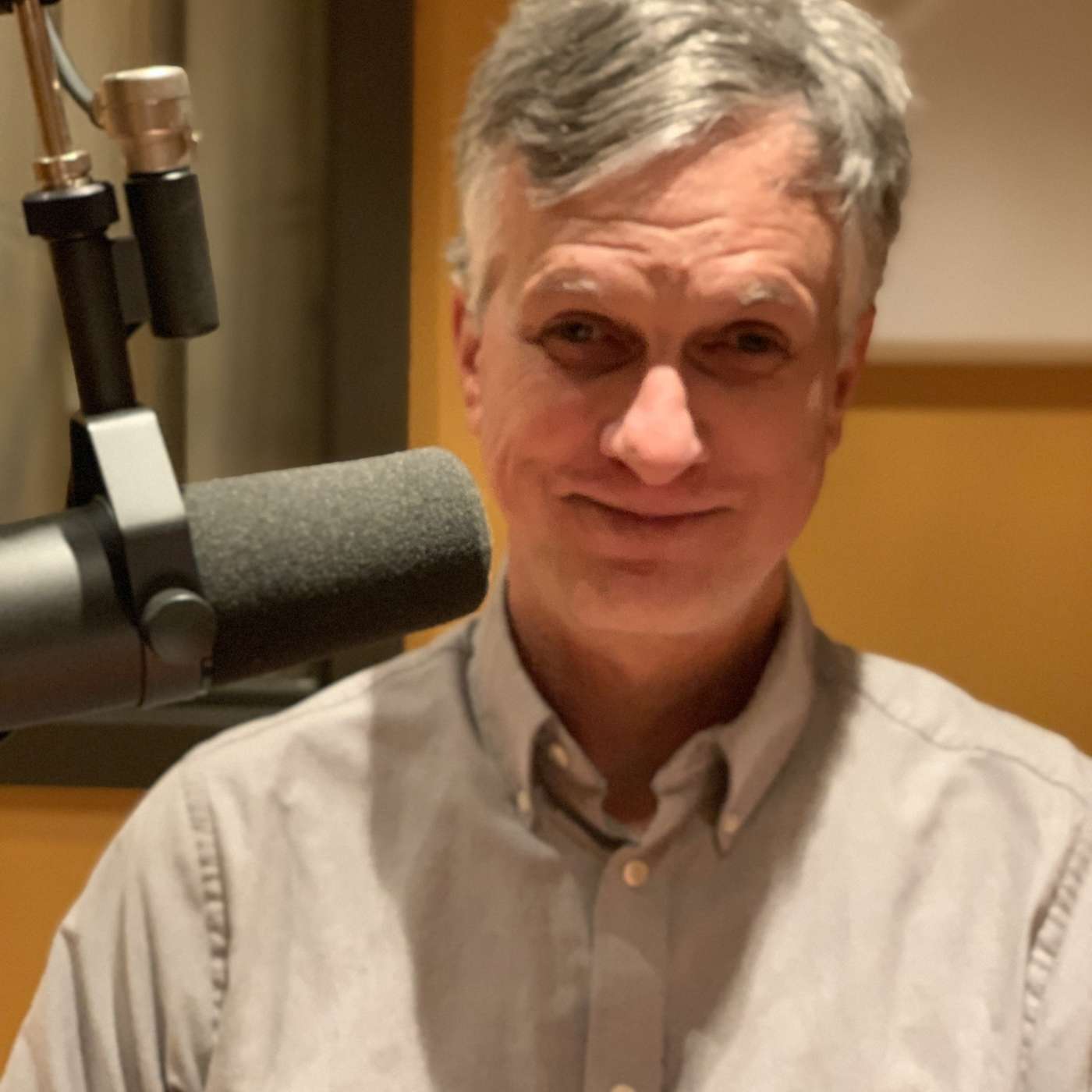
Michael Hudson is the director of Michigan State University's Resource Center for Persons with Disabilities (RCPD).
Ready to play
MSU Resource Center for Persons with Disabilities has been maximizing ability and opportunity for 50 years
No transcript for this episode yet
Similar Episodes
No similar episodes found.