
EPISODE · May 14, 2026 · 6 MIN
Multigenre dramas dominate small screen as viewers seek deeper storytelling
from Korea JoongAng Daily - Daily News from Korea · host CHOI HYE-RI
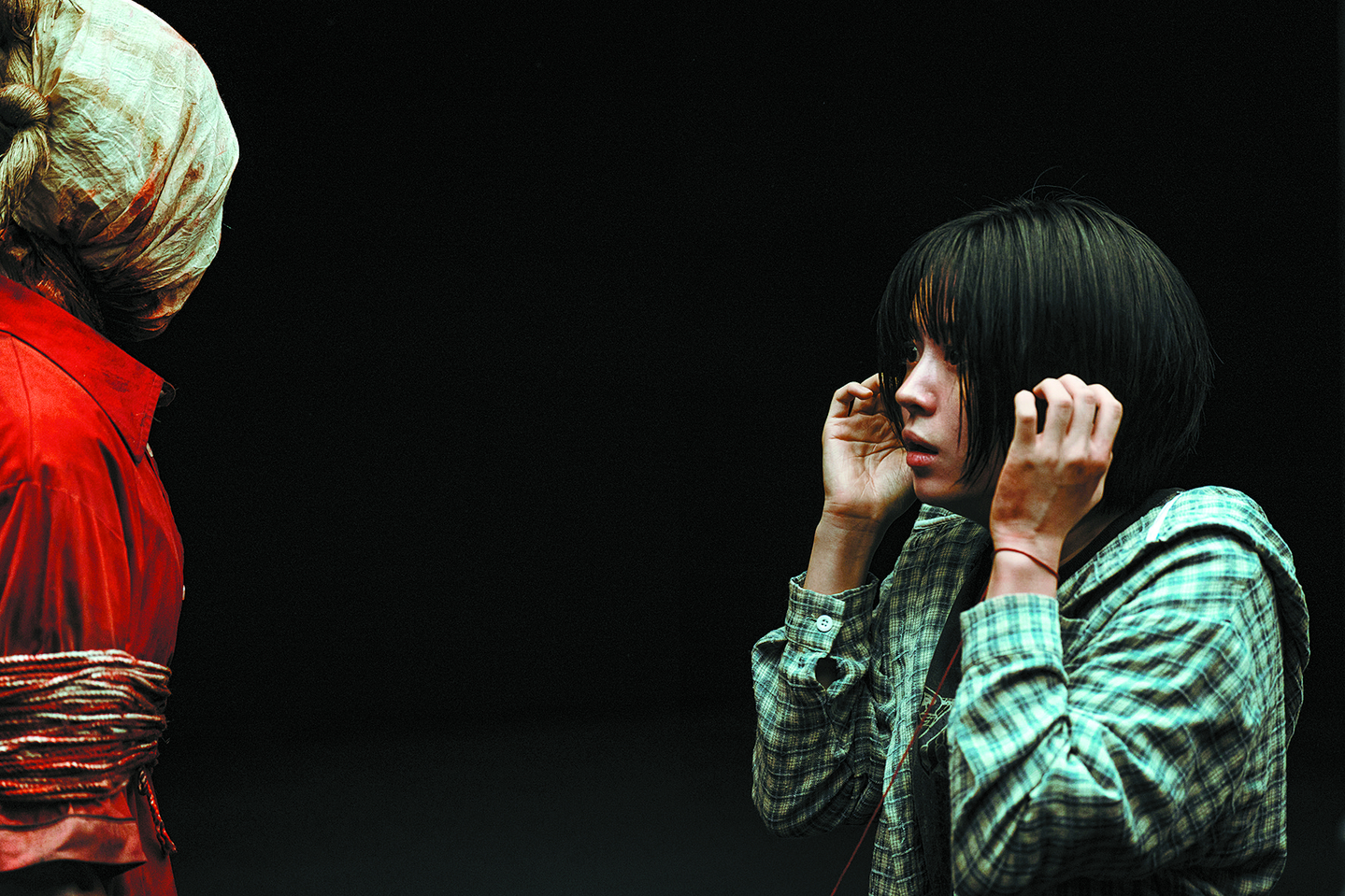
This article is by Choi Hye-ri and read by an artificial voice. Korean dramas are getting more crowded — in a good way. Instead of sticking to one or two familiar genres in one show, a growing number of new series are packing in horror, romance, action, mystery and more all at once in a bid to keep viewers hooked. The shift, visible across both streaming originals and traditional TV series, reflects a broader industry push to satisfy audiences who increasingly want several kinds of entertainment from a single title. But critics say the formula works only when the mix is carefully controlled — done well, it creates a hit; done badly, it becomes an experiment. Recent examples now airing on streaming platforms and TV channels show how far the trend has gone. The Netflix original series "If Wishes Could Kill" revolves around a cursed app that grants wishes, while "The Scarecrow" follows a detective in 2019 tracking a serial murder case from the 1980s. The Disney+ series "Gold Land" features a customs officer attempting to make off with gold bars worth 150 billion won ($103 million). In the past, series were traditionally built around a single genre, whether that be a romance drama, an action drama and a sageuk, or a Korean historical drama. But starting with shows like "Kingdom" (2019-21) and "Squid Game" (2021-25), an increasing number of series have begun mixing multiple genres into one production. "Kingdom" blended sageuk with zombie horror, while "Squid Game" was a psychological thriller survival story. Released in full on April 24, the eight-episode series "If Wishes Could Kill" is perhaps the clearest example of this growing multigenre trend. The series follows a group of high school students struggling after being warned of impending death because of a curse tied to an app that grants wishes. As the premise suggests, it combines school drama and horror. It then adds action through the help of a shaman, while episodes unraveling the background of the curse also take on the attributes of a human drama. The performances of rising actors Jeon So-young, Kang Mi-na, Baek Sun-ho, Hyun Woo-seok and Lee Hyo-je drew praise as being fresh, while the shamanistic elements that appear as the students try to lift the curse prompted social media reactions comparing the series' polish to that of the hit film "Exhuma" (2024). The show stayed on Netflix's Global Top 10 list for about two weeks after release and held the No. 1 spot in Korea's Top 10 series from its release through May 5, according to FlixPatrol. "Gold Land," which released its first episode on April 29, tells the story of a protagonist who comes into possession of gold bars belonging to a smuggling ring and tries to survive amid greed and betrayal in an attempt to keep all the gold. The drama unfolds through a blend of drama, romance, noir and action. The finale of the 10-episode series will be released on May 27. "Gold Land" drew attention by casting popular actor Park Bo-young in her first action noir and thriller series. It also made the series easier to follow by beginning with the story of the lead couple before moving into the larger criminal mystery. Since its release, it has held the No. 1 spot among Disney+ Korea's Top 10 TV shows on May 6, according to FlixPatrol. The rise of mixed-genre works is not limited to streaming services' originals. As production companies increasingly place the same dramas on both TV and streaming platforms, the multigenre pattern has become a broader trend across the industry. A representative example is "The Scarecrow," produced by KT Studio Genie and released simultaneously on ENA and Tving platforms beginning April 20. The drama takes the Lee Choon-jae serial murder case that happened between 1986 and 1991 as its subject and borrows the narrative structure of a typical crime investigation drama, using a case already widely exposed in the media. But it distinguishes itself through a concept that moves between the 1980s and the 20...
Embed this episode
NOW PLAYING
Multigenre dramas dominate small screen as viewers seek deeper storytelling
No transcript for this episode yet
Similar Episodes
No similar episodes found.
Similar Podcasts
No similar podcasts found.