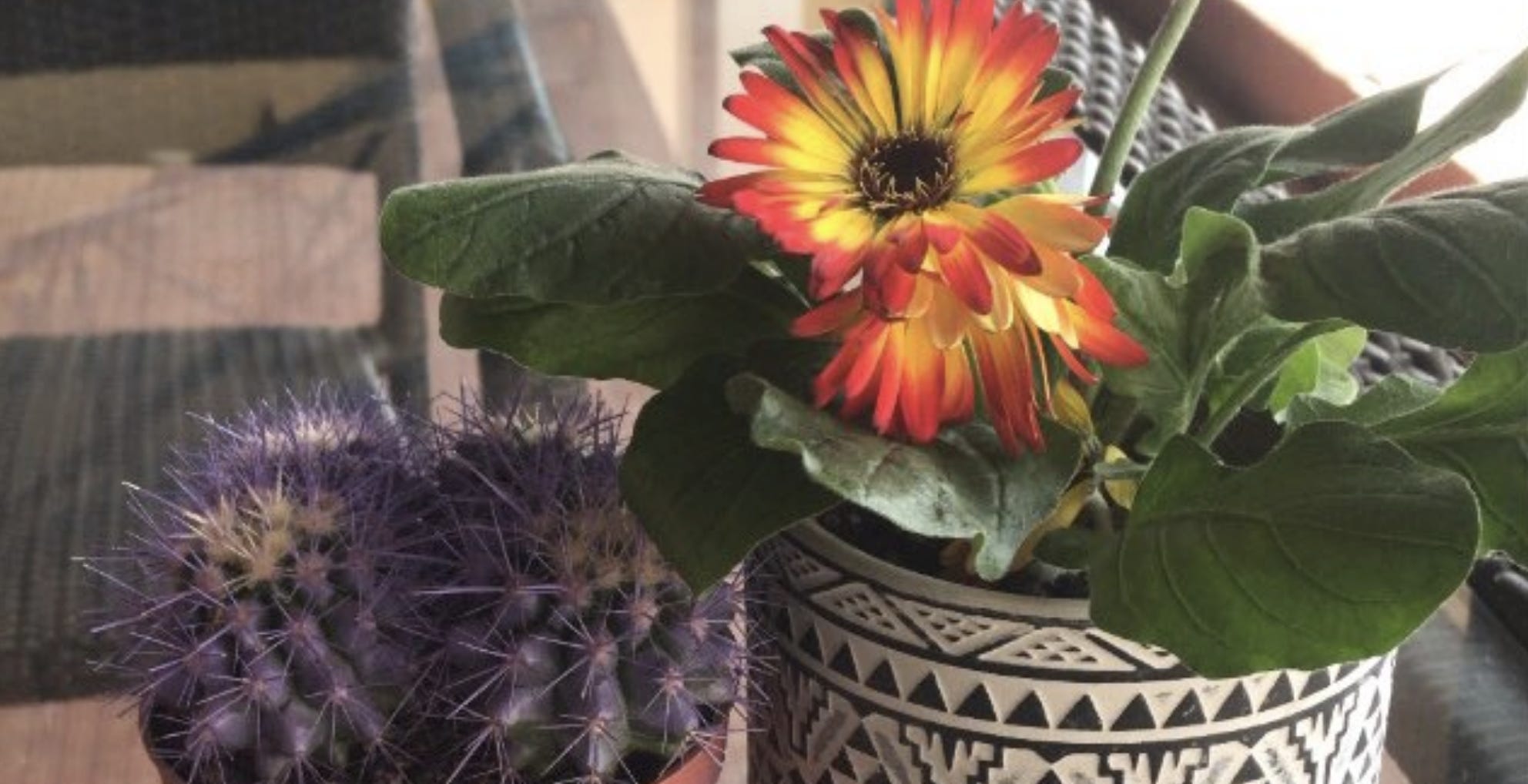
Music for Disaster (and Plants) [No. 080]
from Greg's Newsletter Hosted by Greg Brown
Since I haven't been able to write much lately—a function of my schedule, life, and general paralysis/anxiety—I figured I'd drop in with a quick newsletter to try to tap into that creative well again. Vice published a series called Unpaid Royalties, which digs into how the music industry exploits—today and always—Black artists, and what’s being done to change that. From the introductory entry: To this day, those Black artists are stolen from, underpaid, and consistently exploited by industry gatekeepers and their non-Black peers. But we knew that. What you may not have known is how we got here, and where we’re going. That’s what Unpaid Royalties aims to expose: How, for instance, the Telecommunications Act of 1996 disrupted Black radio, taking tastemaking power away from local Black DJs and putting it into the hands of major media conglomerations. Why pop music seems to be a viable option only for white artists. How police forces in some of the country's biggest cities have heavily funded “rap units” dedicated to specifically surveilling the perceived threats of rap artists. And, of course, what music deals still look like these days, and why Black artists are often more vulnerable to the most exploitative ones. There are several entries to check out. Elsewhere, Alexander Billet penned a piece for Jacobin, that begins with this question: Both Hip-hop and punk bloomed out of the social collapse created by the economic crisis of the 1970s. But where is the music of our twenty-first century disaster? In the late 70s, amidst New York City’s rampant poverty, institutionalized racism and disinvestment, joblessness, and white flight, two essential art forms were born. They were born out of a collective necessity, both political and social. Do the conditions exist in the 21st century for anything analogous, in art? Today’s music culture is such an individualized experience. Headphones. Personalized playlists. Algorithmic discovery. (Read the rest of Billet’s The Soundtrack to Our Age of Decay for more.) And that’s actually what struck me about the question—where is our 21st century disaster response music—and the U.S. in particular. Our “rugged individualism” is something more akin to “rigid individualism,” and that’s no more apparent in how such a large swath of the country approaches the pandemic. “I’m not going to let COVID dictate how I live.” “It should be up to individuals if they want to wear a mask. If they don’t feel safe going out, then don’t go out.” Etc. etc. The list goes on. (Lest you think I’m making a strawman argument, those are perspectives that friends of mine have expressed. And, as we know, those are relatively tame compared to how some people have approached the pandemic.) But, make no mistake, there is a certain collective response going on right now. Collective anxiety, depression, PTSD—at least for those of us doing our damndest to act responsibly and with the health of our friends, neighbors, families, and communities in mind. Anyways, sorry for that pandemic-induced tangent. Back to the music. What becomes of music, music creation, music listening, and art, in general, with a pandemic (damnit, there I go again) that seemingly accelerated those individualist trends already. I mean, if we were already experiencing music through our headphones and algorithms before—in public, at the office, in transit—where do we go once this is all over? I have no idea. But here’s some great music to take you into the weekend. It’s by LA-based artist Olive Ardizoni, who goes by Green House. The album is called Six Songs for Invisible Gardens and the title reflective of the art’s intention. It’s six songs made to play to plants. (And yes, you can find it on Spotify, too.) The album came out in January but it feels so good right now. I’ll quote the description from the artist on Bandcamp: “Six Songs for Invisible Gardens” was written with the intention of transforming the listening environment and augmenting domestic space. The music is designed as a communication with both plant life and the people who care for them. Love you all. Greg Get full access to Greg's Newsletter at greg.substack.com/subscribe
Embed this episode
No transcript yet.