
EPISODE · Mar 30, 2026 · 27 MIN
Musk Builds a Chip Empire, Zuckerberg’s AI CEO, and Arm Enters the AI Chip War
from IT SPARC Cast
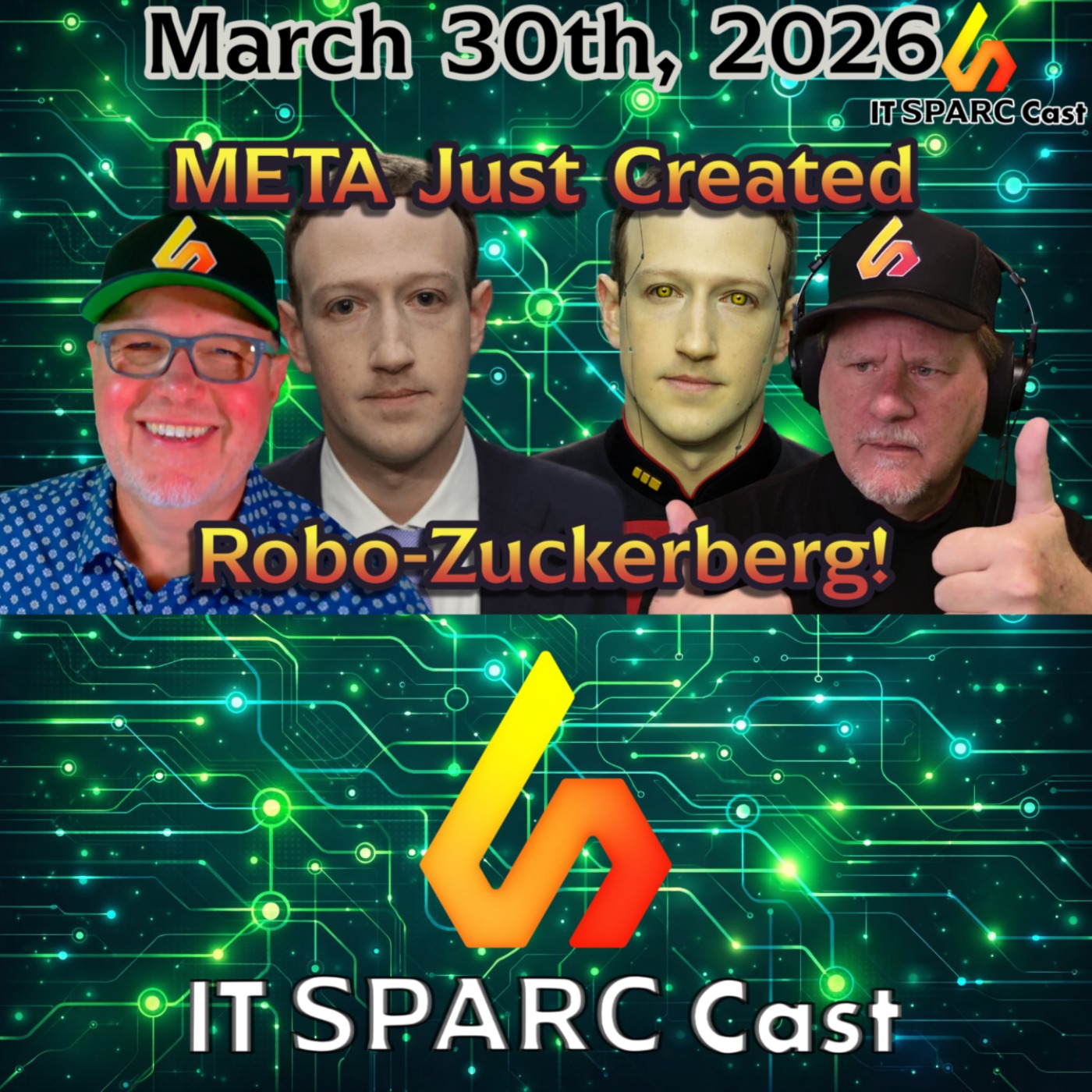
In this episode of IT SPARC Cast – News Bytes, John Barger & Lou Schmidt break down three major moves reshaping the future of AI infrastructure, chip design, and enterprise automation.Elon Musk announces TeraFab, a massive new effort to bring chip fabrication back in-house for greater control over AI hardware and supply chains. Mark Zuckerberg pushes deeper into agentic AI with plans for a personal “AI CEO” to manage workflows and decision-making. And Arm signals a major strategic shift with a new AI-focused chip designed for agent-based systems—putting it in direct competition with its own ecosystem.From supply chain control and custom silicon to AI-driven leadership tools and next-generation chip architectures, this episode explores how the foundation of enterprise IT is rapidly evolving. ⸻⏱️ Show Notes00:00 – Intro📰 News Bytes00:45 – Elon Musk Announces TeraFab for AI Chips and MemoryElon Musk has announced plans for TeraFab, a massive chip fabrication initiative aimed at regaining full control over chip design and production.The strategy includes:• A prototype fabrication facility for rapid iteration• A large-scale production fab for mass manufacturing• Vertical integration to reduce dependency on external foundries• Faster time-to-market for AI-driven hardwareAs chip demand surges due to AI workloads, companies are reconsidering outsourced manufacturing models. TeraFab represents a return to end-to-end control of silicon development, which could significantly impact supply chains, pricing, and innovation speed.https://x.com/i/broadcasts/1yKAPMzlvgWxb https://en.wikipedia.org/wiki/Terafab 09:46 – Mark Zuckerberg Builds AI CEO to Help Run MetaMark Zuckerberg is developing a personal AI system capable of handling executive-level tasks—effectively functioning as a digital chief of staff or “AI CEO.”The system is designed to:• Retrieve and synthesize information across internal systems• Automate decision-support workflows• Reduce reliance on layers of management• Act as a “second brain” for operational awarenessThis reflects a broader shift toward agentic AI, where intelligent systems proactively execute tasks rather than simply responding to prompts. The discussion also raises key enterprise questions around security, portability, and ownership of personal AI agents.https://www.the-independent.com/tech/mark-zuckerberg-ai-ceo-bot-b2943792.html17:54 – Arm Unveils New AI Chip for Agentic SystemsArm has announced a new AI-focused chip architecture aimed at powering agentic AI and future AGI-style workloads.Key implications include:• A shift from IP licensing to direct chip competition• Increased competition with existing ecosystem partners• Potential acceleration of specialized AI hardware development• Growing relevance of alternative architectures like RISC-VThis move signals a major strategic pivot for Arm, potentially reshaping the competitive landscape for AI infrastructure and creating new dynamics between chip designers, manufacturers, and enterprise buyers.https://www.reuters.com/business/media-telecom/arm-unveils-new-ai-chip-expects-it-add-billions-annual-revenue-2026-03-24/ 🔁 Wrap Up25:24 – Mail BagListener feedback highlights continued interest in emerging compute models, including biological computing, and reinforces the importance of staying ahead of major infrastructure trends.27:01 – Wrap UpJohn and Lou close with thoughts on the convergence of AI, custom silicon, and agent-based workflows, emphasizing that enterprise IT leaders must prepare for a future where infrastructure, software, and decision-making are increasingly intertwined.⸻🔗 Connect With UsIT SPARC Cast@ITSPARCCast on Xhttps://www.linkedin.com/company/sparc-sales/ on LinkedInJohn Barger@john_Video on Xhttps://www.linkedin.com/in/johnbarger/ on LinkedInLou Schmidt@loudoggeek on Xhttps://www.linkedin.com/in/louis-schmidt-b102446/ on LinkedIn Hosted on Acast. See acast.com/privacy for more information.
Embed this episode
Ready to play
Musk Builds a Chip Empire, Zuckerberg’s AI CEO, and Arm Enters the AI Chip War
No transcript for this episode yet
Similar Episodes
No similar episodes found.
Similar Podcasts
No similar podcasts found.