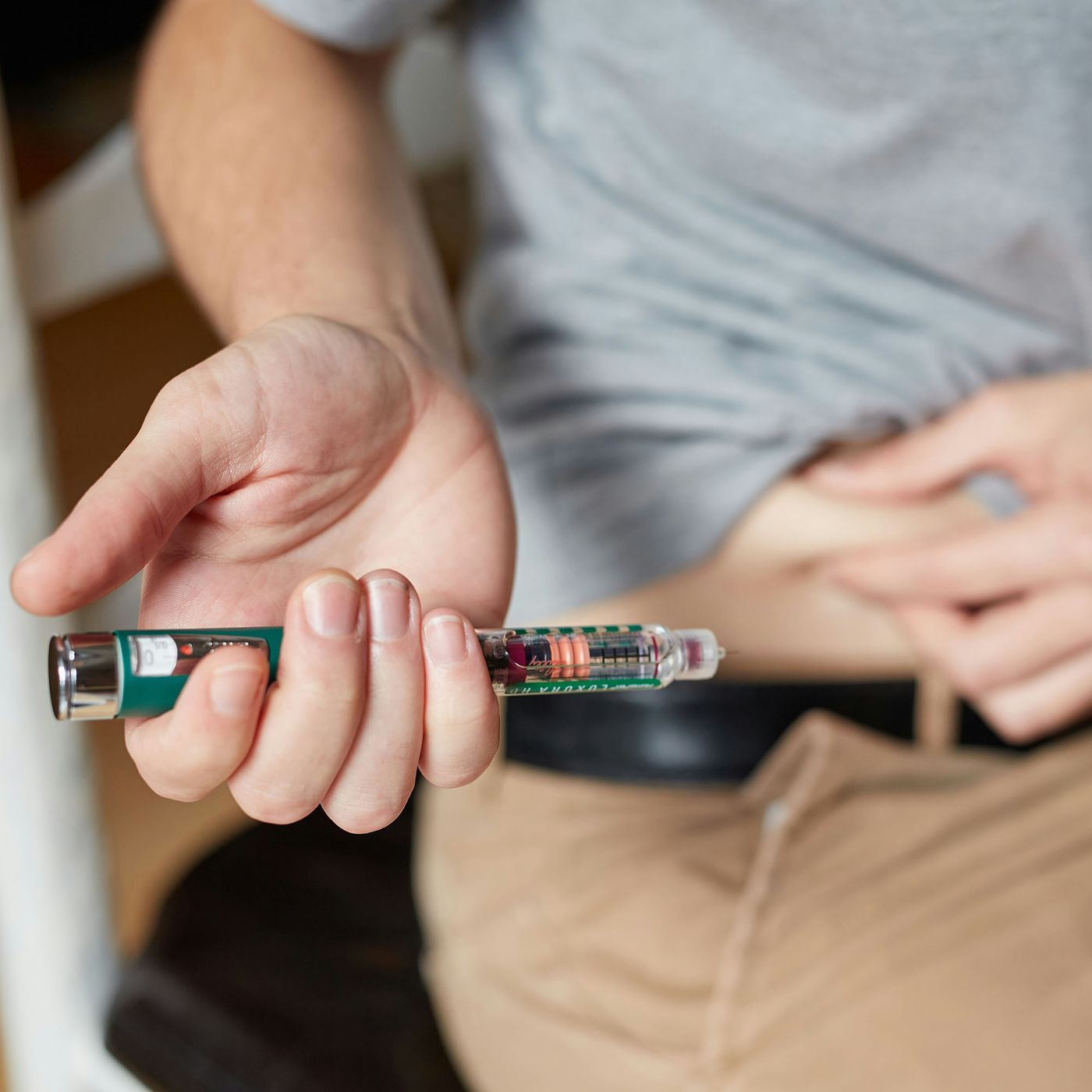
Natural Methods to Lower Blood Sugar and Insulin Resistance episode artwork

EPISODE · Mar 10, 2026 · 36 MIN

Natural Methods to Lower Blood Sugar and Insulin Resistance

from Whole Life Studio · host Norse Studio

Managing high blood sugar and insulin resistance requires a comprehensive approach involving lifestyle changes, dietary adjustments, and natural supplementation. Insulin resistance occurs when body cells lose sensitivity to insulin, preventing the efficient transport of glucose from the bloodstream into the cells. In response, the pancreas produces excessive insulin, leading to hyperinsulinemia, which can cause metabolic disorders like obesity, atherosclerosis, and hypertension.Lifestyle and Physical ActivityRegular physical activity is one of the most effective ways to lower blood sugar and improve insulin sensitivity. When the body moves, muscles utilize glucose for energy, naturally reducing its concentration in the blood. Engaging in 30 minutes of moderate activity—such as brisk walking, swimming, cycling, or yoga—each day can have significant therapeutic effects. For the best results, this activity should ideally take place one to two hours after a meal, potentially lowering blood sugar levels by 30-40 mg/dl. Daily movement, including household chores or choosing stairs over elevators, also contributes; aiming for 10,000 steps a day is highly beneficial.Adequate sleep is equally vital, as poor sleep quality or deprivation increases cortisol levels and inflammation, which exacerbates insulin resistance. Furthermore, weight reduction is essential for those with excess body fat, particularly abdominal fat. Losing just 5-7% of body weight can reduce the risk of developing type 2 diabetes by over 50%. Stress management is another critical factor, as stress hormones trigger glucose spikes. Techniques such as aromatic baths, nature walks, or specialized relaxation exercises like Schultz autogenic training can help mitigate these effects.Dietary FoundationsProper hydration is a simple yet effective tool; drinking 2 to 2.5 liters of water daily prevents the elevation of vasopressin, a hormone that can stimulate the liver to produce more sugar. From a dietary perspective, the primary goal is to limit processed carbohydrates and simple sugars found in white bread, sweets, and sweetened beverages. Instead, the diet should focus on:Whole Grains: Brown rice, buckwheat, oatmeal, and whole-wheat pasta provide steady energy.Soluble Fiber: Found in raw vegetables, legumes, and nuts, fiber slows glucose absorption and improves insulin sensitivity.Low Glycemic Index (GI) Foods: Diets rich in protein, healthy fats, and fiber help prevent sharp insulin spikes.Cooking Methods: To keep the GI low, foods like pasta and rice should be served al dente rather than overcooked.Natural Remedies and SupplementsSeveral natural substances have documented effects on glucose regulation:White Mulberry: Its active compound, DNJ, helps reduce glucose absorption.Apple Cider Vinegar: Consuming 20ml daily can improve insulin sensitivity and lower blood sugar.Spices: Ceylon cinnamon (1-3g daily), ginger (4-5g fresh or 1g dried), and crushed garlic are all effective in lowering blood glucose and improving metabolic health.Berberine: High-quality extracts can be a valuable element in stabilizing sugar levels when taken at around 1000mg per day.Psyllium Husk: This high-fiber supplement aids in regulation but must be taken with plenty of water to ensure safety.Vitamins and Minerals: Alpha-lipoic acid (ALA) helps reduce insulin resistance markers. Magnesium, found in nuts and leafy greens, and Zinc, found in meat and beans, are both essential for glucose control. Finally, Vitamin D supplementation is crucial for those with deficiencies to maintain healthy carbohydrate metabolism.Become a supporter of this podcast: https://www.spreaker.com/podcast/whole-life-studio--6886552/support.

Managing high blood sugar and insulin resistance requires a comprehensive approach involving lifestyle changes, dietary adjustments, and natural supplementation. Insulin resistance occurs when body cells lose sensitivity to insulin, preventing the efficient transport of glucose from the bloodstream into the cells. In response, the pancreas produces excessive insulin, leading to hyperinsulinemia, which can cause metabolic disorders like obesity, atherosclerosis, and hypertension.Lifestyle and Physical ActivityRegular physical activity is one of the most effective ways to lower blood sugar and improve insulin sensitivity. When the body moves, muscles utilize glucose for energy, naturally reducing its concentration in the blood. Engaging in 30 minutes of moderate activity—such as brisk walking, swimming, cycling, or yoga—each day can have significant therapeutic effects. For the best results, this activity should ideally take place one to two hours after a meal, potentially lowering blood sugar levels by 30-40 mg/dl. Daily movement, including household chores or choosing stairs over elevators, also contributes; aiming for 10,000 steps a day is highly beneficial.Adequate sleep is equally vital, as poor sleep quality or deprivation increases cortisol levels and inflammation, which exacerbates insulin resistance. Furthermore, weight reduction is essential for those with excess body fat, particularly abdominal fat. Losing just 5-7% of body weight can reduce the risk of developing type 2 diabetes by over 50%. Stress management is another critical factor, as stress hormones trigger glucose spikes. Techniques such as aromatic baths, nature walks, or specialized relaxation exercises like Schultz autogenic training can help mitigate these effects.Dietary FoundationsProper hydration is a simple yet effective tool; drinking 2 to 2.5 liters of water daily prevents the elevation of vasopressin, a hormone that can stimulate the liver to produce more sugar. From a dietary perspective, the primary goal is to limit processed carbohydrates and simple sugars found in white bread, sweets, and sweetened beverages. Instead, the diet should focus on:Whole Grains: Brown rice, buckwheat, oatmeal, and whole-wheat pasta provide steady energy.Soluble Fiber: Found in raw vegetables, legumes, and nuts, fiber slows glucose absorption and improves insulin sensitivity.Low Glycemic Index (GI) Foods: Diets rich in protein, healthy fats, and fiber help prevent sharp insulin spikes.Cooking Methods: To keep the GI low, foods like pasta and rice should be served al dente rather than overcooked.Natural Remedies and SupplementsSeveral natural substances have documented effects on glucose regulation:White Mulberry: Its active compound, DNJ, helps reduce glucose absorption.Apple Cider Vinegar: Consuming 20ml daily can improve insulin sensitivity and lower blood sugar.Spices: Ceylon cinnamon (1-3g daily), ginger (4-5g fresh or 1g dried), and crushed garlic are all effective in lowering blood glucose and improving metabolic health.Berberine: High-quality extracts can be a valuable element in stabilizing sugar levels when taken at around 1000mg per day.Psyllium Husk: This high-fiber supplement aids in regulation but must be taken with plenty of water to ensure safety.Vitamins and Minerals: Alpha-lipoic acid (ALA) helps reduce insulin resistance markers. Magnesium, found in nuts and leafy greens, and Zinc, found in meat and beans, are both essential for glucose control. Finally, Vitamin D supplementation is crucial for those with deficiencies to maintain healthy carbohydrate metabolism.Become a supporter of this podcast: <a...

NOW PLAYING

Natural Methods to Lower Blood Sugar and Insulin Resistance

0:00 36:47

No transcript for this episode yet

We transcribe on demand. Request one and we'll notify you when it's ready — usually under 10 minutes.

Eat to Live Jenna Fuhrman, Dr. Fuhrman Our health is our most precious gift and smart nutrition can change your life. Each month, join Dr. Fuhrman and his daughter, Jenna Fuhrman as they discuss important topics in the world of nutrition. Eat to Live will change the way you eat and think about food. French Your Way Jessica: Native French teacher founder of French Your Way Boost your French listening skills and test your comprehension with this one of a kind series of podcasts. Get the chance to listen to a real conversation between native speakers talking at normal speed AND customise your learning experience through carefully designed sets of questions (2 levels of difficulty) available for download at www.frenchvoicespodcast.com. All interviews also come with the transcript. French teacher Jessica interviews native speakers of French from around the world who share a bit of their life and passion. Where else would you meet in one same place a French yoga teacher based in Melbourne, a soap manufacturer from Provence, or a couple cycling around the world? That Hoarder: Overcome Compulsive Hoarding That Hoarder Hoarding disorder is stigmatised and people who hoard feel vast amounts of shame. This podcast began life as an audio diary, an anonymous outlet for somebody with this weird condition. That Hoarder speaks about her experiences living with compulsive hoarding, she interviews therapists, academics, researchers, children of hoarders, professional organisers and influencers, and she shares insight and tips for others with the problem. Listened to by people who hoard as well as those who love them and those who work with them, Overcome Compulsive Hoarding with That Hoarder aims to shatter the stigma, share the truth and speak openly and honestly to improve lives. The Lee Olsen Show Lee Olsen CJF I want to help you improve all areas of your life by 3 types of podcasts!👉Blood, Sweat & Blessings-Interviews of normal people that have achieved BIG things!👉Series!!! For Love of the Horse- Brad Jackman DVM & Lee Olsen CJF, how to help your horse!👉Business Tips- Proven Life Changing Business Strategies with Lee Olsen

Frequently Asked Questions

How long is this episode of Whole Life Studio?

This episode is 36 minutes long.

When was this Whole Life Studio episode published?

This episode was published on March 10, 2026.

What is this episode about?

Managing high blood sugar and insulin resistance requires a comprehensive approach involving lifestyle changes, dietary adjustments, and natural supplementation. Insulin resistance occurs when body cells lose sensitivity to insulin, preventing the...

Is there a transcript available for this episode?

Yes, a full transcript is available for this episode. You can read the complete transcript on the episode page.

Can I download this Whole Life Studio episode?

Yes, you can download this episode by clicking the download button on the episode player, or subscribe to the podcast in your preferred podcast app for automatic downloads.
URL copied to clipboard!