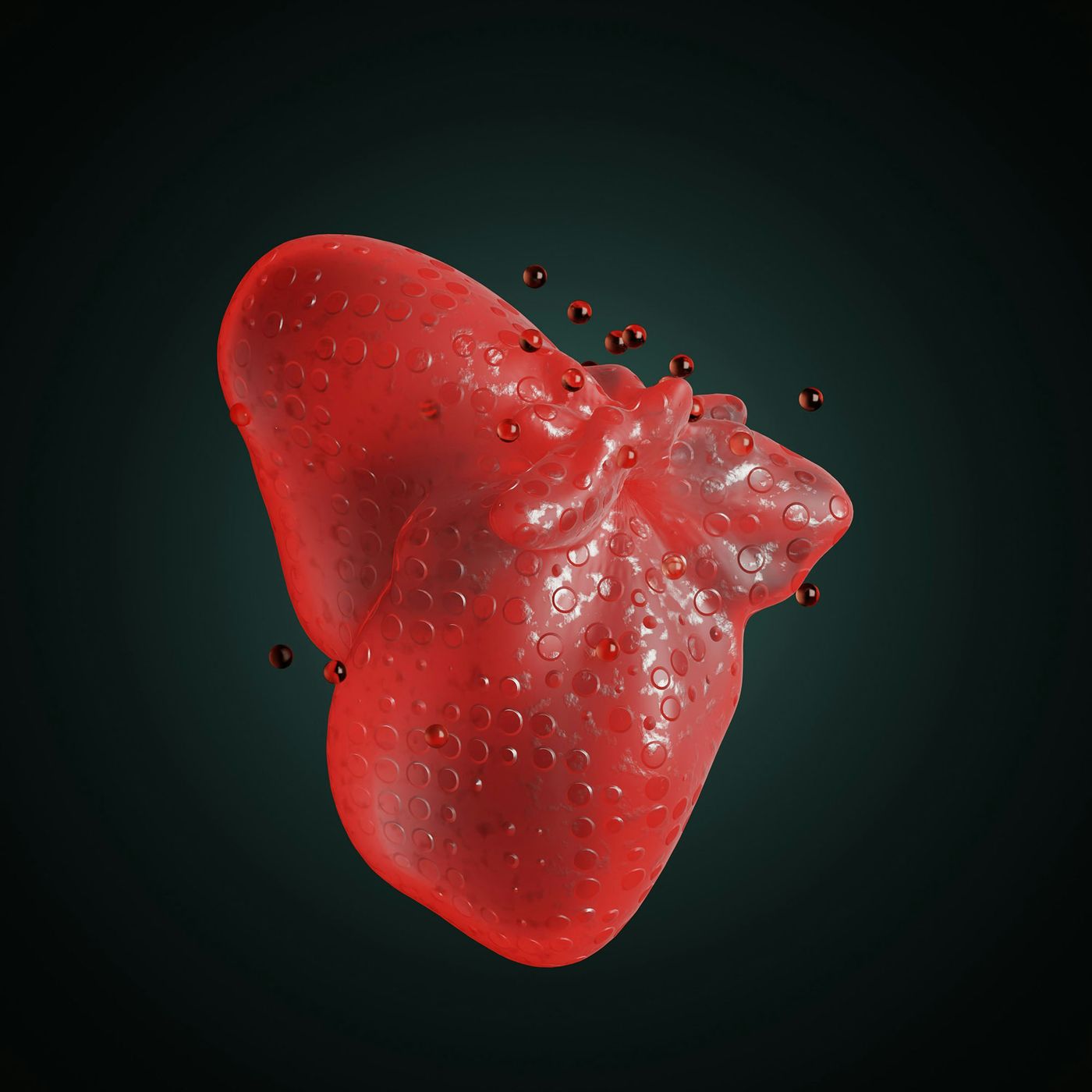
Natural Protocols for Reversing Fatty Liver Disease episode artwork

EPISODE · Feb 27, 2026 · 24 MIN

Natural Protocols for Reversing Fatty Liver Disease

from Whole Life Studio · host Norse Studio

Fatty liver disease is a condition where fat accumulates in the liver, potentially leading to inflammation, cirrhosis, or even cancer. Fortunately, several natural products and dietary habits can help prevent, manage, or even reverse this process.Spices and Flavorings Common kitchen staples like garlic can significantly reduce liver fat and lower liver enzymes when consumed regularly; about 1.5g of powder or one clove a day is effective. Ginger is also beneficial as it targets insulin resistance—a primary cause of fatty liver—while reducing inflammation. Turmeric, specifically its active compound curcumin, helps reduce liver fibrosis and lower enzyme levels, especially when combined with black pepper to improve absorption.Vegetables and Leafy Greens A diet rich in green leafy vegetables, such as kale, spinach, broccoli, and arugula, can reduce the risk of developing fatty liver by 29%. Artichokes are particularly notable for improving blood flow in liver veins and reducing liver size. Additionally, broccoli sprouts contain sulforaphane, which protects the organ from oxidative stress.Healthy Fats Contrary to the idea that all fats are harmful, specific types are protective. Consuming a handful of nuts at least four times a week can lower the risk of fatty liver by 20%. Flaxseed (around 30g daily) has been shown to improve liver test results and decrease both steatosis and fibrosis. Black cumin (Nigella sativa), either as oil or seeds, and extra virgin olive oil (used cold) are also highly effective at reducing liver inflammation and fat accumulation.Beverages Hydration choices are critical. Replacing sugary sodas and fruit juices with 4 to 7 cups of water daily can reduce the risk of fatty liver by 16%. Green tea is another powerful ally, as it lowers liver enzymes (ALAT and ASPAT) and reduces triglycerides. For coffee lovers, both regular and decaffeinated coffee are beneficial, potentially lowering the risk of fatty liver by 29% and decreasing the risk of fibrosis.Herbs and Specialized Supplements Several herbs provide targeted support for liver health:• Milk Thistle: Contains silymarin, which is known to reduce liver enzyme concentrations.• Korean Red Ginseng: Helps balance liver enzymes.• Dandelion Root: Prevents fat deposition and improves insulin sensitivity.• Maritime Pine Bark: Contains pycnogenol, which can inhibit the genes responsible for fat storage in the liver.• Propolis (Bee Glue): Offers anti-inflammatory properties and protects against fibrosis.Essential Nutrients and Probiotics Maintaining adequate levels of Vitamins B12, E, D, and Folic Acid, along with minerals like zinc and selenium, is essential for liver protection. Choline is particularly important for preventing fibrosis, especially in post-menopausal women. Omega-3 fatty acids (EPA and DHA), found in fatty fish or cod liver oil, help reduce liver fat and triglycerides. Berberine is another effective supplement that improves insulin sensitivity and reduces the degree of steatosis. Finally, probiotics (such as Lactobacillus and Bifidobacterium species) can help lower liver enzymes and reduce internal inflammation.Become a supporter of this podcast: https://www.spreaker.com/podcast/whole-life-studio--6886552/support.

Fatty liver disease is a condition where fat accumulates in the liver, potentially leading to inflammation, cirrhosis, or even cancer. Fortunately, several natural products and dietary habits can help prevent, manage, or even reverse this process.Spices and Flavorings Common kitchen staples like garlic can significantly reduce liver fat and lower liver enzymes when consumed regularly; about 1.5g of powder or one clove a day is effective. Ginger is also beneficial as it targets insulin resistance—a primary cause of fatty liver—while reducing inflammation. Turmeric, specifically its active compound curcumin, helps reduce liver fibrosis and lower enzyme levels, especially when combined with black pepper to improve absorption.Vegetables and Leafy Greens A diet rich in green leafy vegetables, such as kale, spinach, broccoli, and arugula, can reduce the risk of developing fatty liver by 29%. Artichokes are particularly notable for improving blood flow in liver veins and reducing liver size. Additionally, broccoli sprouts contain sulforaphane, which protects the organ from oxidative stress.Healthy Fats Contrary to the idea that all fats are harmful, specific types are protective. Consuming a handful of nuts at least four times a week can lower the risk of fatty liver by 20%. Flaxseed (around 30g daily) has been shown to improve liver test results and decrease both steatosis and fibrosis. Black cumin (Nigella sativa), either as oil or seeds, and extra virgin olive oil (used cold) are also highly effective at reducing liver inflammation and fat accumulation.Beverages Hydration choices are critical. Replacing sugary sodas and fruit juices with 4 to 7 cups of water daily can reduce the risk of fatty liver by 16%. Green tea is another powerful ally, as it lowers liver enzymes (ALAT and ASPAT) and reduces triglycerides. For coffee lovers, both regular and decaffeinated coffee are beneficial, potentially lowering the risk of fatty liver by 29% and decreasing the risk of fibrosis.Herbs and Specialized Supplements Several herbs provide targeted support for liver health:• Milk Thistle: Contains silymarin, which is known to reduce liver enzyme concentrations.• Korean Red Ginseng: Helps balance liver enzymes.• Dandelion Root: Prevents fat deposition and improves insulin sensitivity.• Maritime Pine Bark: Contains pycnogenol, which can inhibit the genes responsible for fat storage in the liver.• Propolis (Bee Glue): Offers anti-inflammatory properties and protects against fibrosis.Essential Nutrients and Probiotics Maintaining adequate levels of Vitamins B12, E, D, and Folic Acid, along with minerals like zinc and selenium, is essential for liver protection. Choline is particularly important for preventing fibrosis, especially in post-menopausal women. Omega-3 fatty acids (EPA and DHA), found in fatty fish or cod liver oil, help reduce liver fat and triglycerides. Berberine is another effective supplement that improves insulin sensitivity and reduces the degree of steatosis. Finally, probiotics (such as Lactobacillus and Bifidobacterium species) can help lower liver enzymes and reduce internal inflammation.Become a supporter of this podcast: https://www.spreaker.com/podcast/whole-life-studio--6886552/support.

NOW PLAYING

Natural Protocols for Reversing Fatty Liver Disease

0:00 24:02

No transcript for this episode yet

We transcribe on demand. Request one and we'll notify you when it's ready — usually under 10 minutes.

Eat to Live Jenna Fuhrman, Dr. Fuhrman Our health is our most precious gift and smart nutrition can change your life. Each month, join Dr. Fuhrman and his daughter, Jenna Fuhrman as they discuss important topics in the world of nutrition. Eat to Live will change the way you eat and think about food. French Your Way Jessica: Native French teacher founder of French Your Way Boost your French listening skills and test your comprehension with this one of a kind series of podcasts. Get the chance to listen to a real conversation between native speakers talking at normal speed AND customise your learning experience through carefully designed sets of questions (2 levels of difficulty) available for download at www.frenchvoicespodcast.com. All interviews also come with the transcript. French teacher Jessica interviews native speakers of French from around the world who share a bit of their life and passion. Where else would you meet in one same place a French yoga teacher based in Melbourne, a soap manufacturer from Provence, or a couple cycling around the world? That Hoarder: Overcome Compulsive Hoarding That Hoarder Hoarding disorder is stigmatised and people who hoard feel vast amounts of shame. This podcast began life as an audio diary, an anonymous outlet for somebody with this weird condition. That Hoarder speaks about her experiences living with compulsive hoarding, she interviews therapists, academics, researchers, children of hoarders, professional organisers and influencers, and she shares insight and tips for others with the problem. Listened to by people who hoard as well as those who love them and those who work with them, Overcome Compulsive Hoarding with That Hoarder aims to shatter the stigma, share the truth and speak openly and honestly to improve lives. The Lee Olsen Show Lee Olsen CJF I want to help you improve all areas of your life by 3 types of podcasts!👉Blood, Sweat & Blessings-Interviews of normal people that have achieved BIG things!👉Series!!! For Love of the Horse- Brad Jackman DVM & Lee Olsen CJF, how to help your horse!👉Business Tips- Proven Life Changing Business Strategies with Lee Olsen

Frequently Asked Questions

How long is this episode of Whole Life Studio?

This episode is 24 minutes long.

When was this Whole Life Studio episode published?

This episode was published on February 27, 2026.

What is this episode about?

Fatty liver disease is a condition where fat accumulates in the liver, potentially leading to inflammation, cirrhosis, or even cancer. Fortunately, several natural products and dietary habits can help prevent, manage, or even reverse this...

Is there a transcript available for this episode?

Yes, a full transcript is available for this episode. You can read the complete transcript on the episode page.

Can I download this Whole Life Studio episode?

Yes, you can download this episode by clicking the download button on the episode player, or subscribe to the podcast in your preferred podcast app for automatic downloads.
URL copied to clipboard!