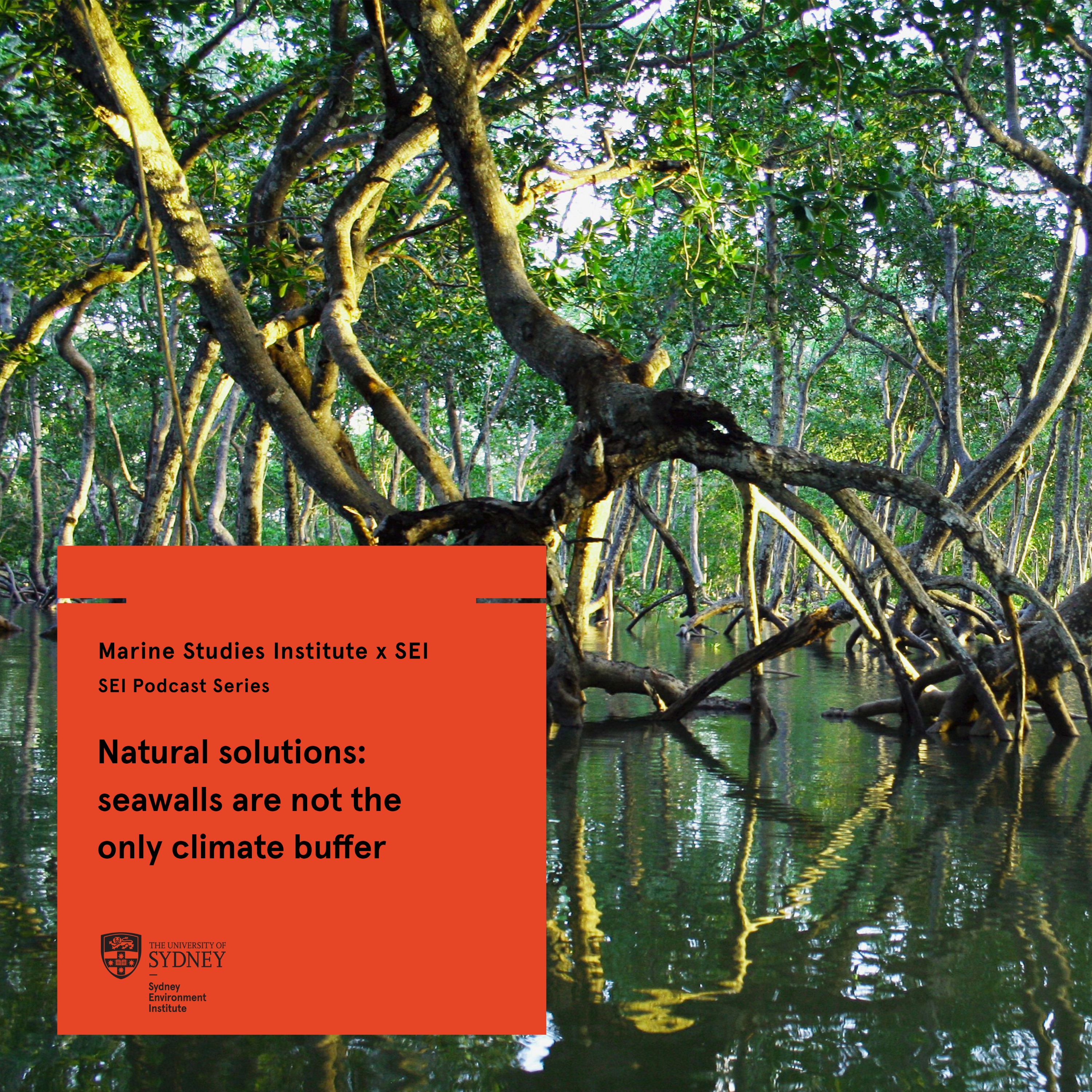
Natural solutions: seawalls are not the only climate buffer episode artwork

EPISODE · Aug 26, 2024 · 47 MIN

Natural solutions: seawalls are not the only climate buffer

from The SEI Podcast Series

In this instalment of The SEI Podcast Series, hear from experts as they explore the potential of nature-based solutions, like wetlands and mangroves, in acting as climate buffer infrastructure. They will share new findings from SEI’s project Examining climate buffer projects in the Philippines and feature other case studies from Australia and the Pacific, that address how justice and biodiversity issues can be addressed alongside climate adaptation solutions. Timestamps:00:51 - Welcome and introductions05:22 - How do mangroves function as a climate buffer?09:06 - The effectiveness of nature-based solutions compared with traditional engineering solutions13:00 - The importance of Indigenous and local knowledges on informing the design and implementation of nature-based solutions 17:45 - Overview of the Blue Heart Sunshine Coast Project and how project ownership and responsibility is shared with the local communities24:48 - How do we envision nature-based solutions transforming cities and rural landscapes to enhance climate resilience and biodiversity in the years ahead?33:54 - Q+A section46:03 - ConclusionSpeakers:Dr Justin See, Sydney Environment InstituteJazmin (Minet) Aguisanda-Jerusalem, Filipino disaster risk reduction expertDr Anneke van den Brink, marine ecologist and expert of nature-based solutions for coastal defenceDr Sonia Marshall, managing an adaptive floodplain management projectSuliasi Vunibola, researcher on Indigenous community resilience in the Pacific Hosted on Acast. See acast.com/privacy for more information.

In this instalment of The SEI Podcast Series, hear from experts as they explore the potential of nature-based solutions, like wetlands and mangroves, in acting as climate buffer infrastructure. They will share new findings from SEI’s project Examining climate buffer projects in the Philippines and feature other case studies from Australia and the Pacific, that address how justice and biodiversity issues can be addressed alongside climate adaptation solutions. Timestamps:00:51 - Welcome and introductions05:22 - How do mangroves function as a climate buffer?09:06 - The effectiveness of nature-based solutions compared with traditional engineering solutions13:00 - The importance of Indigenous and local knowledges on informing the design and implementation of nature-based solutions 17:45 - Overview of the Blue Heart Sunshine Coast Project and how project ownership and responsibility is shared with the local communities24:48 - How do we envision nature-based solutions transforming cities and rural landscapes to enhance climate resilience and biodiversity in the years ahead?33:54 - Q+A section46:03 - ConclusionSpeakers:Dr Justin See, Sydney Environment InstituteJazmin (Minet) Aguisanda-Jerusalem, Filipino disaster risk reduction expertDr Anneke van den Brink, marine ecologist and expert of nature-based solutions for coastal defenceDr Sonia Marshall, managing an adaptive floodplain management projectSuliasi Vunibola, researcher on Indigenous community resilience in the Pacific Hosted on Acast. See acast.com/privacy for more information.

NOW PLAYING

Natural solutions: seawalls are not the only climate buffer

0:00 47:12

No transcript for this episode yet

We transcribe on demand. Request one and we'll notify you when it's ready — usually under 10 minutes.

Frequently Asked Questions

How long is this episode of The SEI Podcast Series?

This episode is 47 minutes long.

When was this The SEI Podcast Series episode published?

This episode was published on August 26, 2024.

What is this episode about?

In this instalment of The SEI Podcast Series, hear from experts as they explore the potential of nature-based solutions, like wetlands and mangroves, in acting as climate buffer infrastructure. They will share new findings from SEI’s project...

Can I download this The SEI Podcast Series episode?

Yes, you can download this episode by clicking the download button on the episode player, or subscribe to the podcast in your preferred podcast app for automatic downloads.
URL copied to clipboard!