Nature as Medicine
from How Healing Happens Podcast Hosted by Linnea Butler
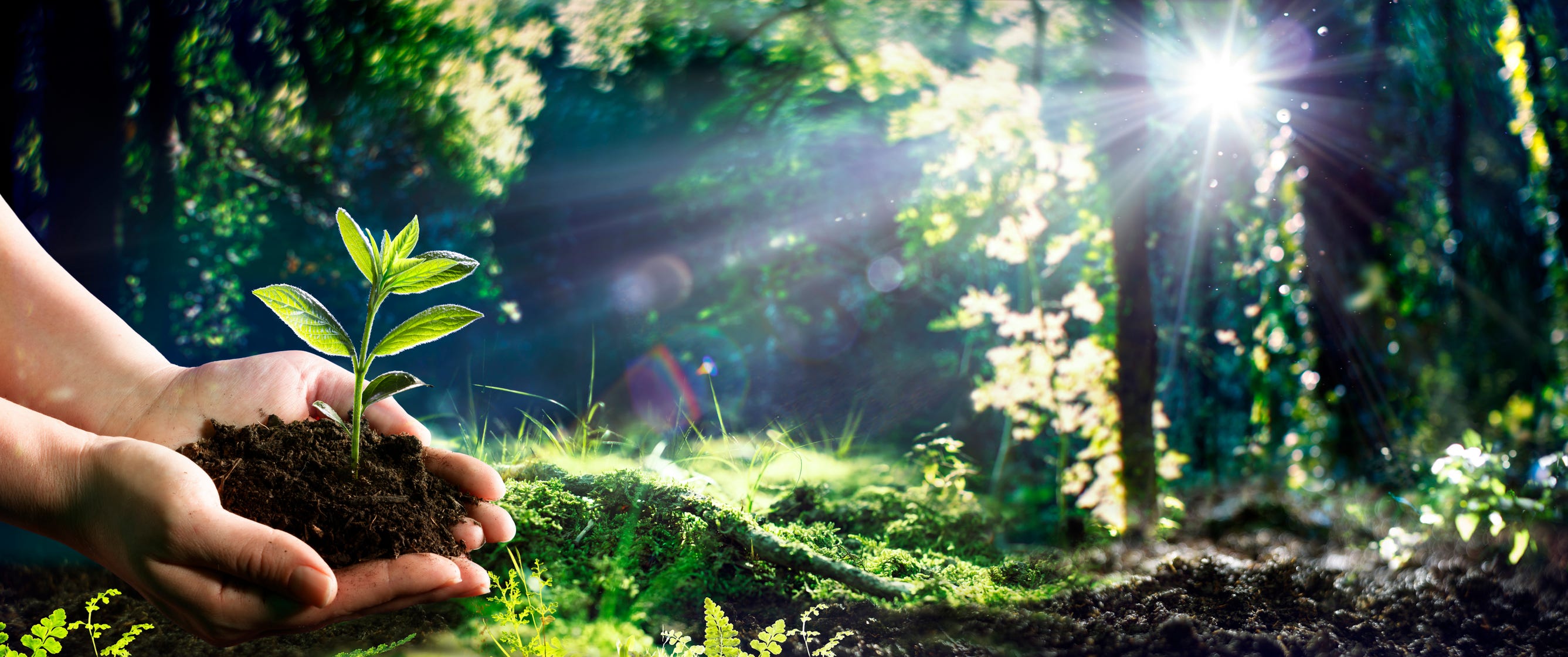
The soft rustle of leaves in the breeze carries a message older than words, an invitation to remember that healing rarely happens in isolation. What if the natural world isn't just a pretty backdrop for our inner work but an active participant, a wise elder in the process of becoming whole again? Body and Earth: Speaking the Same Language Our bodies and the Earth share a kind of kinship. Both hold memories in their depths, both communicate through sensation rather than language, both possess intelligence that flows beneath our conscious awareness. This isn't just poetic metaphor; it's hardwired into our biology. Stephen Porges' polyvagal theory shows us how our nervous system continuously scans our surroundings, asking silent questions: Am I safe here? Can I open and connect? Should I prepare to fight or run? Is it time to shut down and conserve energy? When we step into natural spaces our nervous systems receive signals that tell us it’s safe. This allows us to settle into what Porges calls the "ventral vagal state," where restoration becomes possible. The measurable shifts in our physiology tell a story our ancestors knew. A wonderful example of this is the Japanese practice of shinrin-yoku or "forest bathing." Research shows that time spent among trees reduces stress hormones, lowers blood pressure, and activates the parasympathetic nervous system. This is our bodies remembering a conversation they've been having with the natural world since before we had words. What's really cool is how this mirrors what happens in good therapy. A skilled therapist creates conditions of safety through attunement and presence. Nature offers these same elements, but without human limitations. The oak tree doesn't need me to explain myself. The river doesn't interpret my tears. The mountain doesn't maintain professional boundaries. They simply are. And in their presence, I'm invited to simply be. Healing is Reciprocal There's something beautifully circular in our relationship with the natural world. While we might head to the forest to ease our anxiety or to the ocean to gain perspective, something deeper unfolds in these encounters — a sacred reciprocity. Robin Wall Kimmerer reminds us that “in some Native languages, the term for plants translates to ‘those who take care of us’". This isn't a one-way transaction but a dance of gifts. As we reconnect with natural spaces in our healing journey, we develop a deeper understanding of the environmental harm we have caused, and that mirrors our own inner wounds. As we learn to gently care for our bodies and souls, we also develop a more tender relationship with rivers, forests, and meadows. Healing is reciprocal Trauma creates a double disconnection — from the wisdom of our own bodies and from the body of Earth itself. Healing one relationship inevitably strengthens the other. Beyond Using Nature as Resource Nature isn't just a pretty backdrop making us feel better. Nature is a presence with agency and wisdom. When we approach natural spaces as sentient rather than just scenic, the sacred dance of healing begins. This shift is key because it moves us from extracting wellness from nature to engaging in dialogue with the more-than-human world. The extractive view sees nature as providing services to humans. The deeper understanding, supported by both indigenous wisdom and threads of contemporary neuroscience, suggests healing happens most powerfully in the living exchange between human consciousness and the consciousness embedded in natural systems. Nature Speaks Directly to the Nervous System Perhaps what makes nature such a powerful healing companion is its ability to communicate directly with our nervous systems, bypassing our thinking minds with their endless stories and defenses. Water teaches regulation and adaptability through its cycles of movement and stillness. Trees demonstrate resilience by bending without breaking, shedding what's no longer serving, and growing toward light despite obstacles. Soil shows us how loss can transform into nourishment. Not long ago I was standing at the edge of the Pacific after a particularly difficult week, watching waves crash and recede in their soothing rhythm. Something in my chest began to match that rhythm — the expanding and contracting, holding and releasing, inhaling and exhaling. No techniques, no cognitive reframes, just my nervous system remembering its place in a larger pattern and allowing the cycles to move through me. Expanding the Healing Container From a clinical perspective, bringing nature into therapy means widening our understanding of the therapeutic space to actively include the more-than-human world. Research on nature-assisted therapy shows remarkable benefits for conditions ranging from depression and anxiety to attention difficulties. A 2019 study found that just two hours weekly in nature significantly improved wellbeing. And unlike many healing practices, nature is accessible to everyone, through city parks, community gardens, potted plants, or simply paying attention to birds, clouds, and seasonal changes. Embracing the Full Spectrum The natural world offers profound teachings about resilience and connection, but it also reflects back to us the full spectrum of experience, including difficulty, decay, and death. Positioning nature only as gentle and nurturing would miss half the medicine it offers. Nature contains predation alongside symbiosis, catastrophic events alongside nurturing growth, efficiency alongside (seemingly) unnecessary beauty. In my experience, this complexity makes nature more therapeutic, not less. People struggling with their shadow selves often find relief in recognizing that darkness and light, destruction and creation, aren't moral opposites but essential aspects of wholeness. The forest doesn't judge the fungus for decomposing fallen trees — it recognizes this process as vital to new life. When we allow nature to join us in healing work, we invite this fuller spectrum of wisdom into the relationship. Sometimes the most powerful medicine isn't gentle at all, but carries the clarifying force of a summer thunderstorm or the necessary endings of autumn. Cultivating Real Relationship Like any therapeutic connection, our relationship with nature requires presence and reciprocity. It's not enough to simply be in natural settings. We must learn to be with nature in ways that foster genuine exchange. Try spending time regularly with the same natural place through changing seasons and weather. Approach with all senses open, not just visual appreciation. Practice periods of receptive attention, listening to what the land might be communicating. Notice how your body responds to different elements: water, stone, living plants, fallen leaves. Consider what you might offer in return: care, protection, creative expression, advocacy. We can't expect nature's full healing potential to unfold without committed relationship, just as we wouldn't expect transformation from a therapist we visit only once. A Deep Remembering Our ancestors didn't separate mental health from their relationship with the more-than-human world. Healing practices across cultures have always involved communion with natural elements — water for purification, fire for transformation, earth for grounding, air for perspective. Research now confirms the physiological impacts of natural settings. But indigenous wisdom traditions have known this for millennia: We heal in relationship not just with skilled human healers, but with the living Earth itself. This ancient-yet-emerging understanding offers something essential. It reminds us that healing happens in relationship with ourselves, with others, and with the living world that holds us all. Perhaps the deepest medicine is waiting just beyond our walls, speaking the first language our nervous systems ever knew, inviting us back into conversation with life itself. A creek has been finding its way around obstacles far longer than humans h… This is a public episode. If you'd like to discuss this with other subscribers or get access to bonus episodes, visit linneabutler.substack.com/subscribe
Embed this episode
No transcript yet.