Nature in Culture: Multi-Sensory Mapping with the Marind People episode artwork

EPISODE · May 20, 2020 · 41 MIN

Nature in Culture: Multi-Sensory Mapping with the Marind People

from The SEI Podcast Series

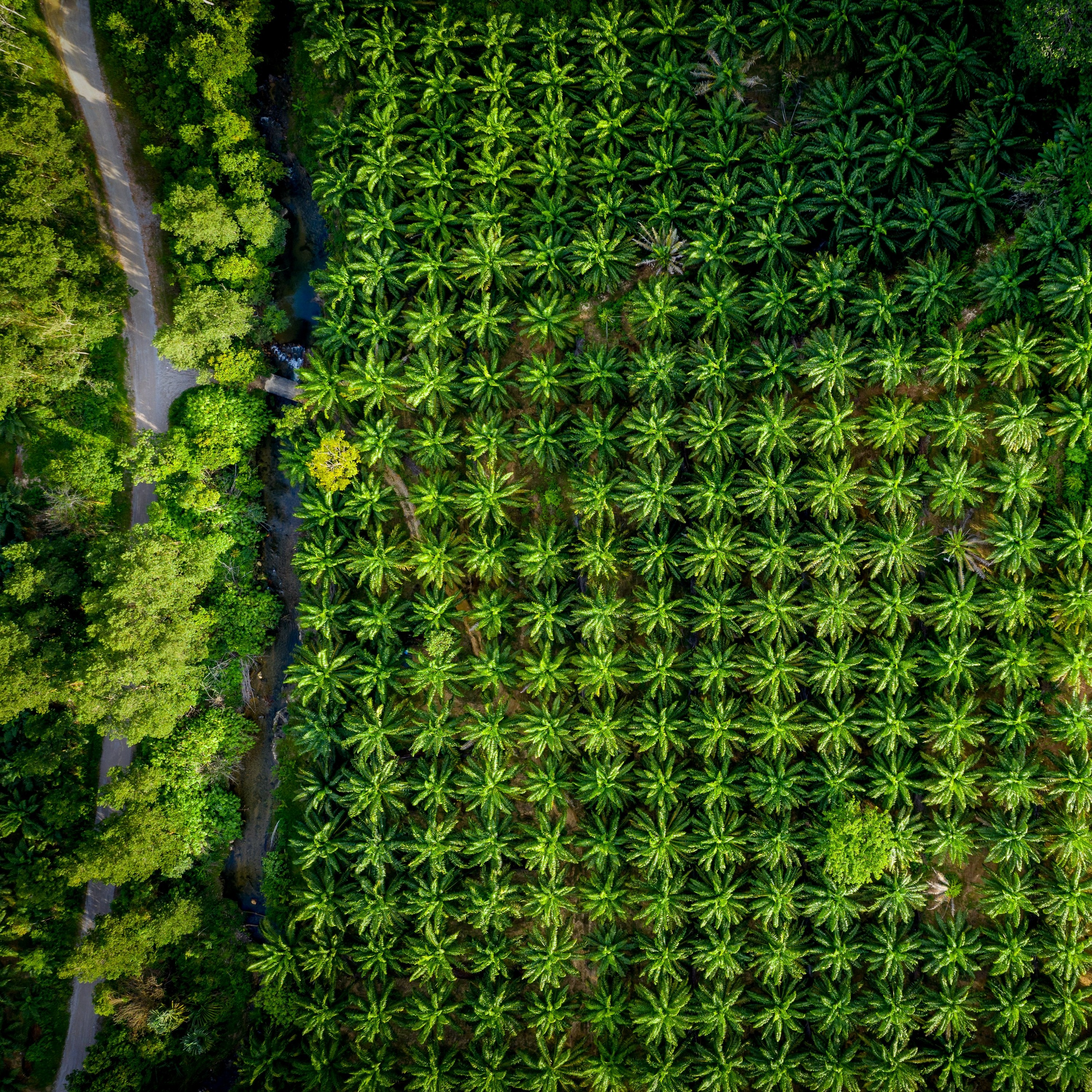
Sophie Chao has worked with the Marind people of Indonesian West Papua for over a decade. With them, she has watched as the Indonesian government and large agribusinesses have entered traditional Marind territories and converted them to Palm Oil plantations.Here she shares with us her experience of what was to be a two-day mapping expedition – which grew to a three-week encounter with Marind song, lands, vegetation, bird and animal life and a map of coexistence rather than a map of topography, or ownership, or territory. It became a multi-sensory map, a map of shifting flexible demarcations. This multi-sensory world view is demonstrated too in the Marind response to and empathy for the Oil Palms – a ‘greedy’ plant that is cast adrift from its African kin and transplanted, replacing the native flora of West Papua.Timestamps00:30 Introduction – Christine Winter05:20 Maps: Tools of Domination10:40 On a Journey with the Marind People in Re-mapping the Land16:30 Communicating a Map of Entangled Relationships and Coexistence22:15 Marind Activism and its Challenges30:15 What Would the World Look Like If Power Dynamics Were Reversed?33:55 Marind’s Emotive Response to Oil Palm InvasionSpeakersDr Sophie Chao, University of SydneyDr Christine Winter, Postdoctoral Fellow, Sydney Environment InstituteFind out more about The Re-(E)mergence of Nature in Culture Series: https://bit.ly/2LHl9xf Hosted on Acast. See acast.com/privacy for more information.

Sophie Chao has worked with the Marind people of Indonesian West Papua for over a decade. With them, she has watched as the Indonesian government and large agribusinesses have entered traditional Marind territories and converted them to Palm Oil plantations.Here she shares with us her experience of what was to be a two-day mapping expedition – which grew to a three-week encounter with Marind song, lands, vegetation, bird and animal life and a map of coexistence rather than a map of topography, or ownership, or territory. It became a multi-sensory map, a map of shifting flexible demarcations. This multi-sensory world view is demonstrated too in the Marind response to and empathy for the Oil Palms – a ‘greedy’ plant that is cast adrift from its African kin and transplanted, replacing the native flora of West Papua.Timestamps00:30 Introduction – Christine Winter05:20 Maps: Tools of Domination10:40 On a Journey with the Marind People in Re-mapping the Land16:30 Communicating a Map of Entangled Relationships and Coexistence22:15 Marind Activism and its Challenges30:15 What Would the World Look Like If Power Dynamics Were Reversed?33:55 Marind’s Emotive Response to Oil Palm InvasionSpeakersDr Sophie Chao, University of SydneyDr Christine Winter, Postdoctoral Fellow, Sydney Environment InstituteFind out more about The Re-(E)mergence of Nature in Culture Series: https://bit.ly/2LHl9xf Hosted on Acast. See acast.com/privacy for more information.

NOW PLAYING

Nature in Culture: Multi-Sensory Mapping with the Marind People

0:00 41:24

No transcript for this episode yet

We transcribe on demand. Request one and we'll notify you when it's ready — usually under 10 minutes.

Frequently Asked Questions

How long is this episode of The SEI Podcast Series?

This episode is 41 minutes long.

When was this The SEI Podcast Series episode published?

This episode was published on May 20, 2020.

What is this episode about?

Sophie Chao has worked with the Marind people of Indonesian West Papua for over a decade. With them, she has watched as the Indonesian government and large agribusinesses have entered traditional Marind territories and converted them to Palm Oil...

Can I download this The SEI Podcast Series episode?

Yes, you can download this episode by clicking the download button on the episode player, or subscribe to the podcast in your preferred podcast app for automatic downloads.
URL copied to clipboard!