
EPISODE · Apr 10, 2024 · 36 MIN
Navigating Protein Facts and Fiction
from ReInvent Healthcare
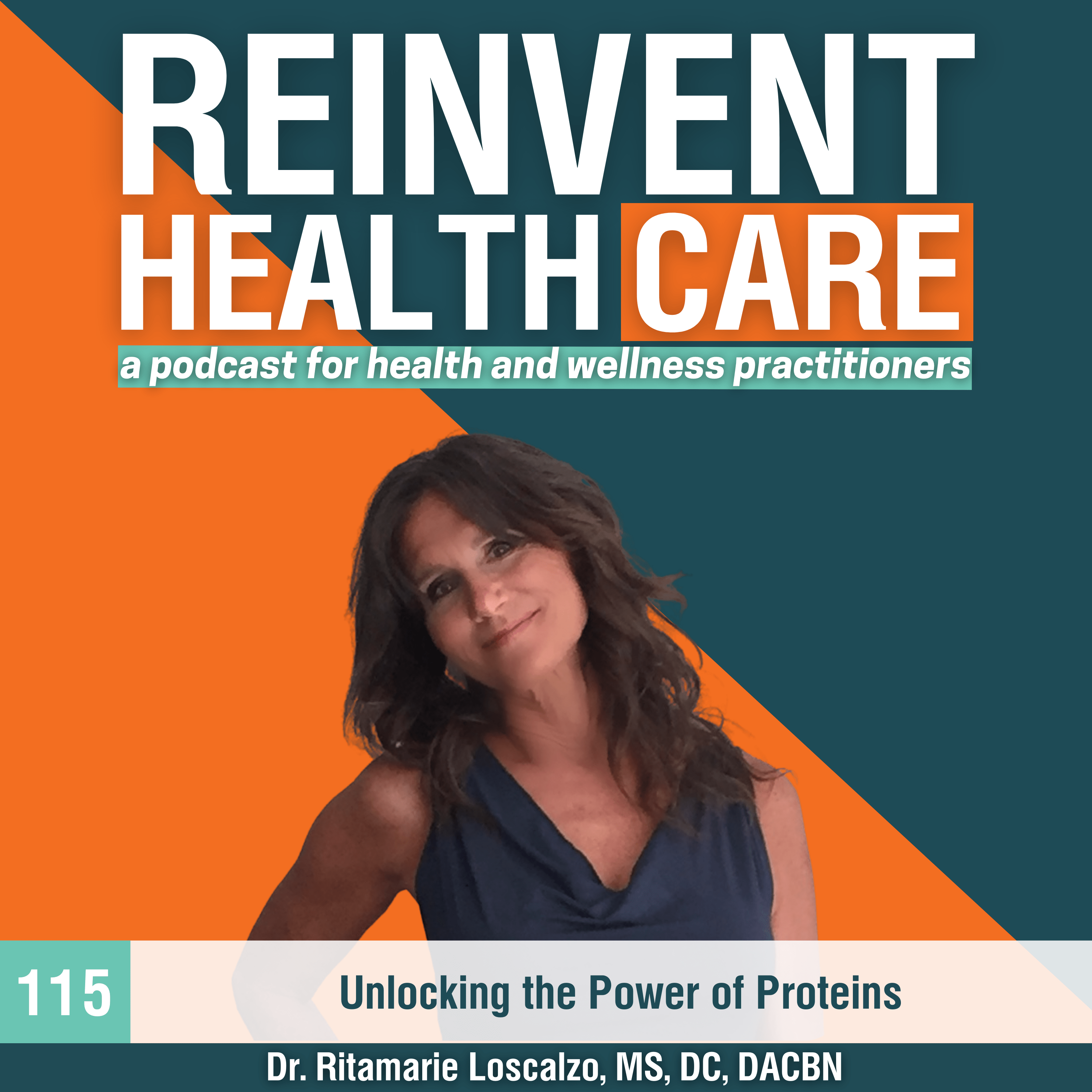
In this episode of ReInvent Healthcare, we examine the world of proteins and their role in human health. From building tissues to supporting immune function and enzyme activity, proteins are indispensable for our well-being. We'll explore the various aspects of proteins, including their sources, essential amino acids, and considerations to use in order to get the best results for our patients and clients. Listen to the full episode to learn more. Key Points:The Role of Proteins in the BodyProteins serve as the fundamental building blocks of the human body, playing a myriad of vital roles in health and function. They are needed for the construction and repair of various tissues, including muscles, bones, skin, and the lining of the digestive system. Moreover, proteins form the foundation of enzymes, necessary for biochemical reactions crucial for digestion. Additionally, proteins contribute to the synthesis of hormones, neurotransmitters, and transport molecules, underscoring their diverse and indispensable functions in maintaining overall health and bodily processes.Understanding Amino AcidsProteins, constructed from a complex array of amino acids, encompass 20+ identified variants, categorized into essential, non-essential, and conditionally essential types. While essential amino acids must be consumed in the diet due to the body's inability to produce them, non-essential amino acids are synthesized internally. Understanding individual amino acid requirements is important, accounting for factors such as impaired metabolic pathways, genetic predispositions, and overall health conditions, allows us to create nutritional strategies to optimize well-being and address specific needs effectively.The Power of balanced Protein IntakeWhile animal proteins are commonly perceived as complete sources of protein, plant-based alternatives offer substantial nutritional advantages. Foods like lentils, lupini beans, broccoli, and kale not only provide notable protein content but also contribute additional essential nutrients to a balanced diet from vitamins and minerals to fiber. Functional practitioners should evaluate protein requirements considering individual factors such as activity level, body weight, metabolic health, recent illnesses or injuries, and dietary preferences, striving for an intake that is optimal without being excessive. By incorporating diverse plant protein sources into clients' nutritional plans, practitioners can promote overall health and wellness effectively.Important ReInvent Healthcare Links Sign up to access Dr. Ritamarie's FREE Functional Food Guide here.Access Additional Resources for Practitioners ready to improve clinical outcomes through our Nutritional Endocrinology Practitioner TrainingVisit the ReInvent Healthcare site to check out other podcast episodes and resources to support you in empowering your clients health recovery journeys
Embed this episode
NOW PLAYING
Navigating Protein Facts and Fiction
No transcript for this episode yet
Similar Episodes
No similar episodes found.
Similar Podcasts
No similar podcasts found.