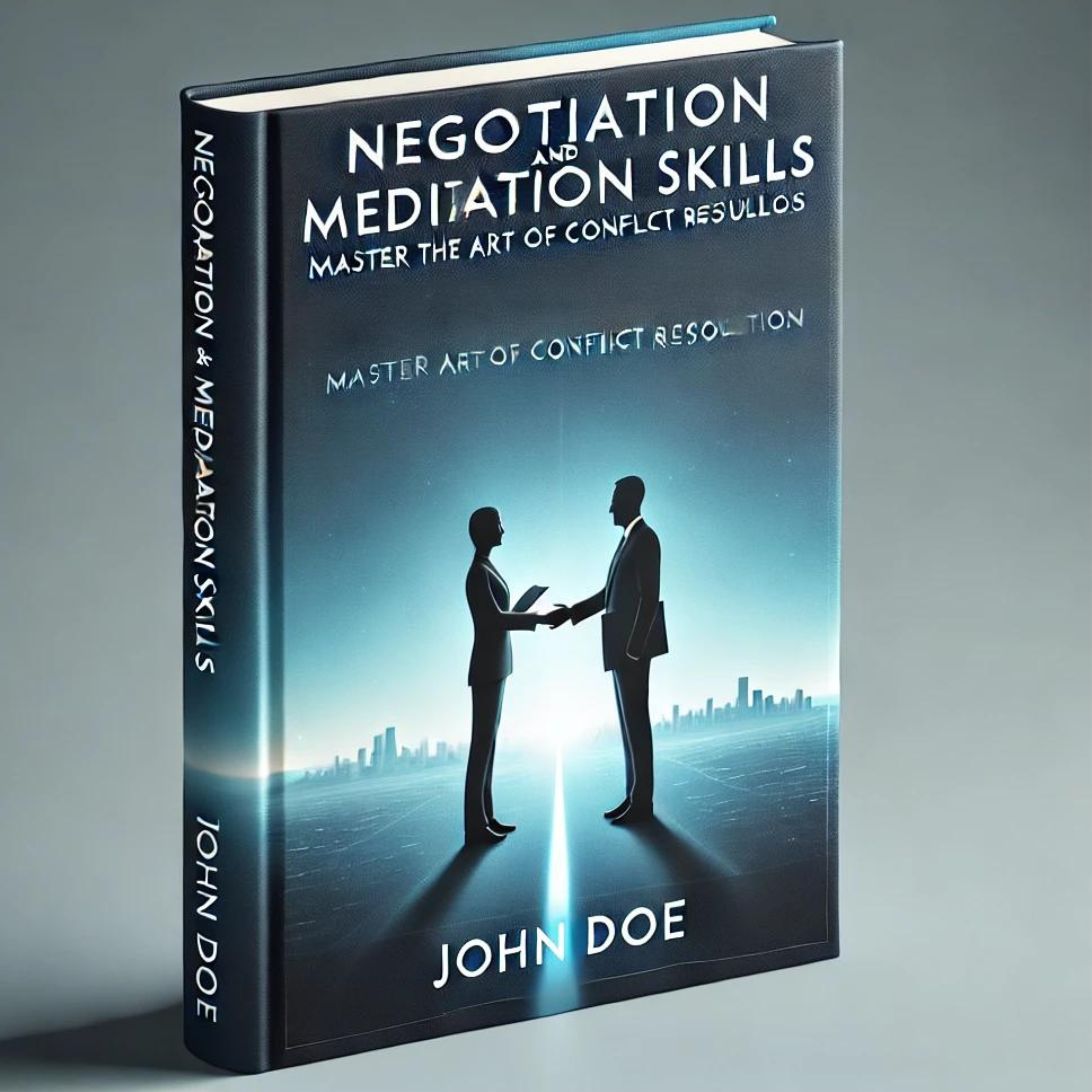
Negotiation and Mediation (Chapter 2) episode artwork

EPISODE · Oct 6, 2024 · 8 MIN

Negotiation and Mediation (Chapter 2)

from Law School · host The Law School of America

Chapter 2: Psychological Aspects of Negotiation Psychological Biases and Their Impact Human biases, like overconfidence, anchoring, or loss aversion, can significantly affect the outcomes of negotiations. A negotiator must understand these biases—both their own and those of the other party—to avoid falling into traps that could derail the process. Emotional Intelligence in Negotiation Emotional intelligence, or the ability to recognize and manage emotions in oneself and others, is a critical skill for successful negotiation. Negotiators who can control their emotions and empathize with others are more likely to build rapport, gain trust, and reach favorable outcomes. Managing Emotions and Maintaining Professionalism Emotions can run high in any negotiation. Techniques such as deep breathing, mindfulness, and taking breaks can help manage stress and maintain composure. Keeping emotions in check ensures the negotiation remains focused on solutions rather than personal conflicts. Psychological Aspects of Negotiation: A Summary This briefing document explores the key psychological factors influencing negotiation outcomes, based on excerpts from "CHAPTER 2: Psychological Aspects of Negotiation." Main Themes: Negotiation is as much about psychology as it is about strategy and tactics. Understanding the psychological underpinnings of human behavior is crucial for achieving successful negotiation outcomes. Biases play a significant role in shaping negotiator behavior. Recognizing and mitigating these biases is essential for avoiding pitfalls and reaching mutually beneficial agreements. Emotional intelligence is a critical skill for effective negotiation. It allows individuals to navigate complex emotional landscapes, build rapport, and foster collaboration. Maintaining professionalism throughout the negotiation process is paramount. This involves managing emotions effectively, focusing on core issues, and treating all parties with respect. Key Ideas & Facts: Overconfidence Bias: Negotiators often overestimate their abilities and chances of success, leading to unrealistic expectations and potential impasses. The text states: "In a negotiation context, this can lead parties to enter discussions with inflated expectations about what they can achieve." Loss Aversion: People tend to feel the pain of a loss more strongly than the pleasure of an equivalent gain. This can make negotiators reluctant to accept offers involving perceived losses, even if those offers are objectively beneficial. Framing proposals to emphasize potential gains can mitigate this bias. Emotional Intelligence: Five components contribute to emotional intelligence in negotiations: Self-awareness: Recognizing one's own emotional triggers and how they impact decision-making. Self-regulation: Managing emotional responses effectively to prevent negative emotions from derailing the negotiation. Motivation: Understanding the driving forces behind both parties' positions and seeking shared motivations to facilitate agreement. Empathy: Understanding and acknowledging the other party's perspective, fostering trust and open communication. Social Skills: Utilizing active listening and other interpersonal skills to build rapport and facilitate smoother interactions. Professionalism: Maintaining professionalism involves: Focusing on the core issues at hand rather than personal conflicts. Remaining composed even in emotionally charged situations. Employing strategies to manage stress and prevent emotional outbursts. Taking breaks when necessary to reassess progress and re-energize. Consistently treating all parties with respect and integrity. Conclusion: Successful negotiation hinges on understanding the psychological factors at play. By acknowledging biases, cultivating emotional intelligence, and prioritizing professionalism, negotiators can navigate complex situations effectively and achieve mutually agreeable outcomes.

Chapter 2: Psychological Aspects of Negotiation Psychological Biases and Their Impact Human biases, like overconfidence, anchoring, or loss aversion, can significantly affect the outcomes of negotiations. A negotiator must understand these biases—both their own and those of the other party—to avoid falling into traps that could derail the process. Emotional Intelligence in Negotiation Emotional intelligence, or the ability to recognize and manage emotions in oneself and others, is a critical skill for successful negotiation. Negotiators who can control their emotions and empathize with others are more likely to build rapport, gain trust, and reach favorable outcomes. Managing Emotions and Maintaining Professionalism Emotions can run high in any negotiation. Techniques such as deep breathing, mindfulness, and taking breaks can help manage stress and maintain composure. Keeping emotions in check ensures the negotiation remains focused on solutions rather than personal conflicts. Psychological Aspects of Negotiation: A Summary This briefing document explores the key psychological factors influencing negotiation outcomes, based on excerpts from "CHAPTER 2: Psychological Aspects of Negotiation." Main Themes: Negotiation is as much about psychology as it is about strategy and tactics. Understanding the psychological underpinnings of human behavior is crucial for achieving successful negotiation outcomes. Biases play a significant role in shaping negotiator behavior. Recognizing and mitigating these biases is essential for avoiding pitfalls and reaching mutually beneficial agreements. Emotional intelligence is a critical skill for effective negotiation. It allows individuals to navigate complex emotional landscapes, build rapport, and foster collaboration. Maintaining professionalism throughout the negotiation process is paramount. This involves managing emotions effectively, focusing on core issues, and treating all parties with respect. Key Ideas & Facts: Overconfidence Bias: Negotiators often overestimate their abilities and chances of success, leading to unrealistic expectations and potential impasses. The text states: "In a negotiation context, this can lead parties to enter discussions with inflated expectations about what they can achieve." Loss Aversion: People tend to feel the pain of a loss more strongly than the pleasure of an equivalent gain. This can make negotiators reluctant to accept offers involving perceived losses, even if those offers are objectively beneficial. Framing proposals to emphasize potential gains can mitigate this bias. Emotional Intelligence: Five components contribute to emotional intelligence in negotiations: Self-awareness: Recognizing one's own emotional triggers and how they impact decision-making. Self-regulation: Managing emotional responses effectively to prevent negative emotions from derailing the negotiation. Motivation: Understanding the driving forces behind both parties' positions and seeking shared motivations to facilitate agreement. Empathy: Understanding and acknowledging the other party's perspective, fostering trust and open communication. Social Skills: Utilizing active listening and other interpersonal skills to build rapport and facilitate smoother interactions. Professionalism: Maintaining professionalism involves: Focusing on the core issues at hand rather than personal conflicts. Remaining composed even in emotionally charged situations. Employing strategies to manage stress and prevent emotional outbursts. Taking breaks when necessary to reassess progress and re-energize. Consistently treating all parties with respect and integrity. Conclusion: Successful negotiation hinges on understanding the psychological factors at play. By acknowledging biases, cultivating emotional intelligence, and prioritizing professionalism, negotiators can navigate complex situations effectively and achieve mutually agreeable outcomes.

NOW PLAYING

Negotiation and Mediation (Chapter 2)

0:00 8:31

No transcript for this episode yet

We transcribe on demand. Request one and we'll notify you when it's ready — usually under 10 minutes.

The Small Business Startup School – Business Notes | Financial Literacy | Retail Psychology – For Professionals & Entrepreneurs The Small Business Startup School Inc. Starting or buying a small business? While personal circumstances may vary, business patterns remain timeless. On The Small Business Startup School, we explore strategies, insights, and practical solutions to help entrepreneurs confidently navigate their journey.Hosted by Ola Williams—a retail entrepreneur, fintech founder, and financial coach with over two decades of experience—this podcast marries financial awareness and retail psychology with optimism to deliver actionable takeaways.Join us to learn, grow, and connect as we uncover the keys to business success.Let’s continue to learn together and be encouraged to keep on connecting! The 48 Laws of Power by Robert Greene (Full Audiobook) Robert Greene Amoral, cunning, ruthless, and instructive, this multi-million-copy New York Times bestseller is the definitive manual for anyone interested in gaining, observing, or defending against ultimate control – from the author of The Laws of Human Nature.In the book that People magazine proclaimed “beguiling” and “fascinating,” Robert Greene and Joost Elffers have distilled three thousand years of the history of power into 48 essential laws by drawing from the philosophies of Machiavelli, Sun Tzu, and Carl Von Clausewitz and also from the lives of figures ranging from Henry Kissinger to P.T. Barnum.Some laws teach the need for prudence (“Law 1: Never Outshine the Master”), others teach the value of confidence (“Law 28: Enter Action with Boldness”), and many recommend absolute self-preservation (“Law 15: Crush Your Enemy Totally”). Every law, though, has one thing in common: an interest in t Guardians Of Innocence Guardians Of Innocence Guardians of Innocence is a powerful and informative podcast designed to equip parents, teachers, and communities with the knowledge and tools needed to protect children from the growing threat of trafficking. Each episode dives deep into the tactics traffickers use to target vulnerable children—both online and in real life—and provides actionable advice on how to recognize the warning signs.Through expert interviews with cyber safety professionals, law enforcement, and survivors, we uncover the latest grooming methods, share real-world stories, and empower listeners to become vigilant guardians of innocence in their own families and communities.Guardians of Innocence is more than just a podcast; it’s a call to action to safeguard our children, raise awareness, and foster a united front against trafficking.Listen. Learn. Protect. The Laura Ingraham Show Laura Ingraham The most-watched woman in the history of cable news brings her no-holds-barred political and cultural commentary to podcasting with The Laura Ingraham Show. A bestselling author, breast cancer survivor, and mother of three internationally adopted children, Laura was the most listened-to woman in talk radio before launching her own podcast. A trailblazer across media platforms, she brings a unique perspective to this twice-weekly show, drawing on her experience as a white-collar criminal defense litigator and a Supreme Court law clerk.New episodes drop twice a week—delivering the clarity, courage, and common sense America needs.

Frequently Asked Questions

How long is this episode of Law School?

This episode is 8 minutes long.

When was this Law School episode published?

This episode was published on October 6, 2024.

What is this episode about?

Chapter 2: Psychological Aspects of Negotiation Psychological Biases and Their Impact Human biases, like overconfidence, anchoring, or loss aversion, can significantly affect the outcomes of negotiations. A negotiator must understand these...

Can I download this Law School episode?

Yes, you can download this episode by clicking the download button on the episode player, or subscribe to the podcast in your preferred podcast app for automatic downloads.
URL copied to clipboard!