
EPISODE · Oct 25, 2025 · 4 MIN
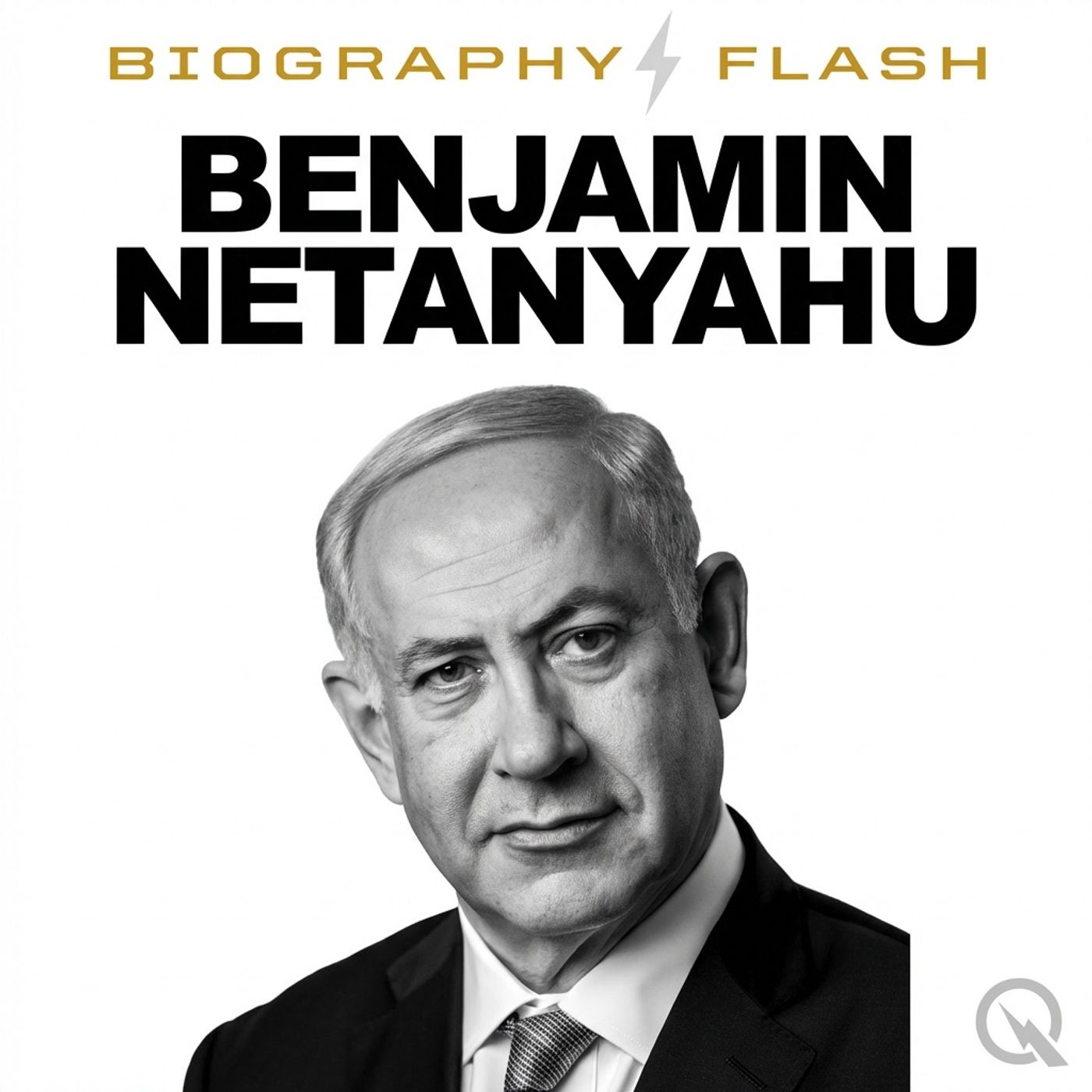
Netanyahu's High-Wire Act: Balancing US Pressure, Domestic Politics, and Survival Instincts
from Benjamin Netanyahu - Biography Flash · host Inception Point AI
Benjamin Netanyahu BioSnap a weekly updated Biography. Benjamin Netanyahu has absorbed another turbulent—but strategically revealing—week, as he balances intense American pressure with domestic political calculus heading into a likely 2026 election. According to The Times of Israel, a new poll shows Netanyahu’s Likud party remains Israel’s largest political force, though it has dipped three seats to 31 following the Gaza hostage release deal. Still, his grip on power is increasingly dependent on U.S. President Donald Trump, whose “bearhug” (as The Times of Israel puts it) has delivered tangible wins—hostages freed, Iran’s nuclear program bombed, and White House invites—but also left Netanyahu with vanishing room to maneuver. The American-backed Gaza ceasefire, which Netanyahu was all but forced to accept, now sees Washington dictating not just the ceasefire’s terms, but Israel’s next steps—right down to Secretary of State Marco Rubio telling Netanyahu, live in Jerusalem, that U.S. officials are there to maintain momentum for peace, not just monitor progress, and to bluntly criticize an Israeli Knesset preliminary annexation vote as “counterproductive.” Netanyahu stood alongside Rubio calling the relationship a “circle of trust and partnership,” but Israeli media, including Ynet and Israel Hayom, are already joking about “Bibi-sitting”—the idea that Netanyahu is being closely supervised from Washington, lest he upset the fragile Gaza détente. Al Monitor and various live updates confirm multiple senior U.S. officials—Jared Kushner, Steve Witkoff, JD Vance, and finally Rubio—cycled through Jerusalem in under a week, reinforcing the message that Israel’s autonomy is, at best, relative. Voters may sense this new reality: Netanyahu’s long-successful coalition skills are now bumping up against Trump’s notoriously flexible deal-making, with Vance even dismissing the West Bank annexation move as a “very stupid political stunt.” On the plus side, Netanyahu continues to enjoy robust public approval for the hostage deal, the durable U.S. alliance, and a resilient wartime economy, per The Times of Israel. But cracks are visible: the loss of coalition partners Shas and United Torah Judaism, senior aides departing, and a resurgent opposition eager to paint him as both weak on Hamas (for slow-walking the return of slain hostages) and complicit in Israel’s worst security failure (the October 7 debacle). On the diplomatic front, Netanyahu hosted Egyptian intelligence chief Hassan Rashad for rare, high-profile talks; Egypt, according to the Foundation for Defense of Democracies, is scrambling to reposition itself as a regional mediator, even as Israel accuses it of military buildup in Sinai and lax policing of weaponized drone smuggling. Netanyahu’s social media presence remains focused on security and partnership—no major viral controversies, but plenty of photo-ops with American officials and grateful statements for U.S. strikes on Iran. In summary, Netanyahu’s This content was created in partnership and with the help of Artificial Intelligence AI.
Embed this episode
NOW PLAYING
Netanyahu's High-Wire Act: Balancing US Pressure, Domestic Politics, and Survival Instincts
No transcript for this episode yet
Similar Episodes
No similar episodes found.
Similar Podcasts
No similar podcasts found.