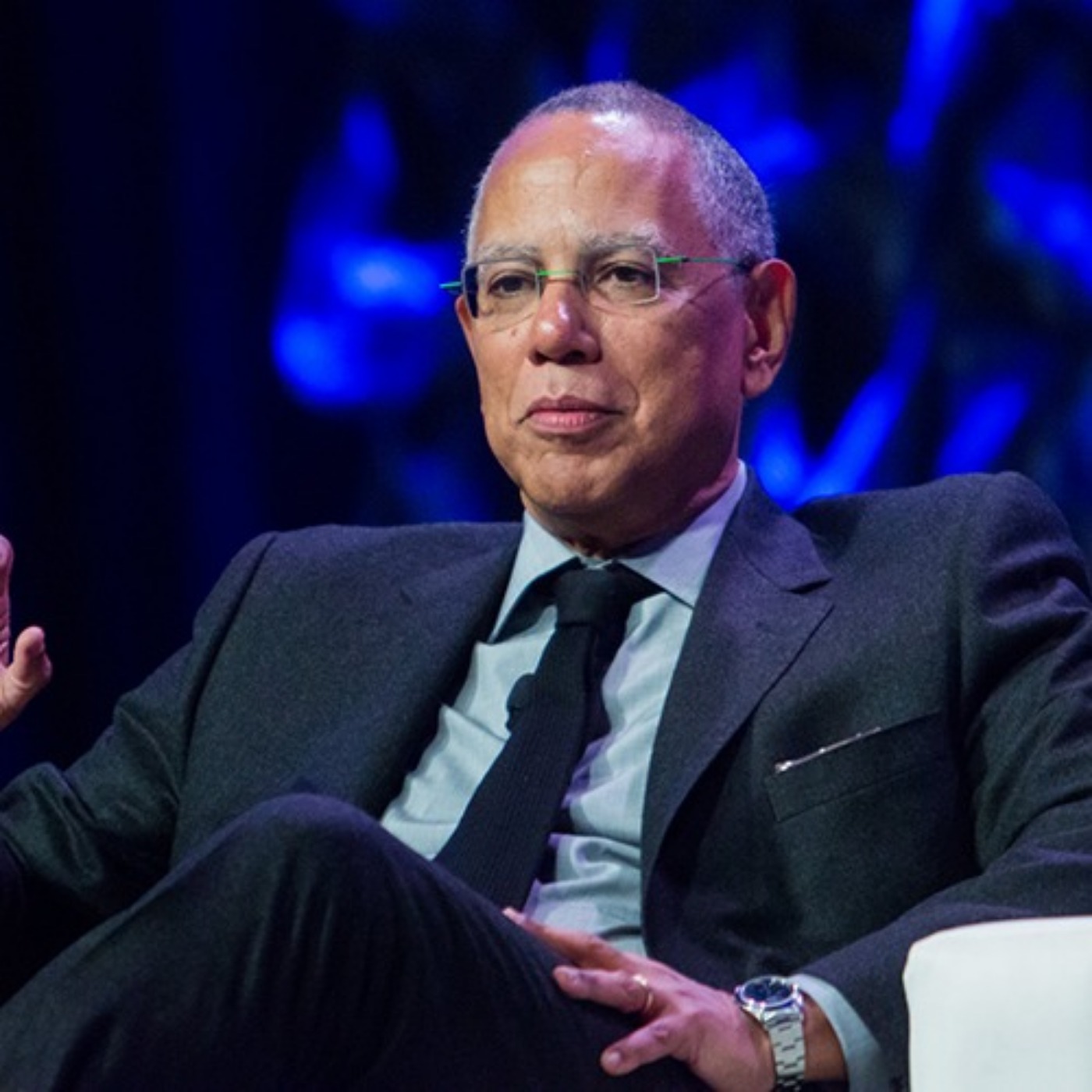
'New York Times' editor on the future of fact-based journalism episode artwork

EPISODE · Jun 13, 2019 · 32 MIN

'New York Times' editor on the future of fact-based journalism

from Berkeley Talks

Dean Baquet is the executive editor of the New York Times and a Pulitzer Prize-winning journalist. In February 2019, he sat down with Edward Wasserman, dean of UC Berkeley's Graduate School of Journalism, to discuss the 2016 elections and the future of fact-based journalism."I don't want to be a leader of the opposition to Donald Trump," he told Wasserman. "This is perhaps the hardest thing about navigating this era. A big percentage of my readers, and I hear from them a lot, want me to lead the opposition of Donald Trump. They don't quite say it that way, but what they say is, 'Why quote his tweets? Why go to his press conferences? Why not? Why not just call him a liar every day? Why not essentially just take him out and beat him up? What are you waiting for?' I think that would be the road to ruin, for a bunch of reasons. But, to me, the most powerful one is if you become the leader of the opposition, eventually the people who you're aligned with come to power, right?"This conversation is featured on On Mic, a podcast by the UC Berkeley Graduate School of Journalism. It was produced by Luis Hernandez. For more conversations with writers, journalists and documentarians, check out other On Mic episodes. Technical facilities for On Mic are underwritten by the Jonathan Logan Family Foundation.Read a transcript on Berkeley News. Hosted on Acast. See acast.com/privacy for more information.

Episode metadata supplied by the publisher feed · Published Jun 13, 2019

Embed this episode

NOW PLAYING

'New York Times' editor on the future of fact-based journalism

0:00 32:17

No transcript for this episode yet

We transcribe on demand. Request one and we'll notify you when it's ready — usually under 10 minutes.

No similar episodes found.

Patti Talks Too Much Patti Hi. I'm Patti and it's been said - many times - that I talk too much. I'm a teacher, author, nature lover and for ten years I owned a coffeehouse cafe where my faith in the goodness of humans was restored every day. This podcast highlights the awesomeness of humanity - er...outside the warmongers, globalists, tyrants and politicians in general. You know, the rest of us weird, quirky and sometimes hilarious humans.We'll talk woo, probe mysteries and leave you thinking about something more interesting or entertaining or uplifting than your grocery list, or boss or that oil change your car needs. I talk too much because I can't help my Gemini moon and Leo Rising nature. I do a podcast because it's cheaper, funnier and more productive than therapy.  Trauma Talks : With Russ Tellup rtellup Hi, I’m Russ Tellup, a Trauma-Informed Somatic Coach and Level 1 Brainspotting practitioner. In my podcast "Trauma Talks," I dive into the neuroscience of trauma, exploring somatic healing practices, Polyvagal Theory, and IFS (Internal Family Systems) parts work. I also occasionally address the complexities of narcissistic abuse, offering insights and tools for healing. Join me each week as we navigate the journey of recovery, resilience, and self-discovery together. TED Talks Society and Culture Thought-provoking videos about life and being human, with ideas from business leaders, psychologists and researchers speaking onstage at the TED conference, TEDx events and partner events around the world. You can also download these and many other videos free on TED.com, with an interactive English transcript and subtitles in up to 80 languages. TED is a nonprofit devoted to Ideas Worth Spreading.

Frequently Asked Questions

How long is this episode of Berkeley Talks?

This episode is 32 minutes long.

When was this Berkeley Talks episode published?

This episode was published on June 13, 2019.

Can I download this Berkeley Talks episode?

Yes. Use the download control on the episode player to save the publisher-provided media file.
URL copied to clipboard!