
EPISODE · Jan 24, 2025 · 12 MIN
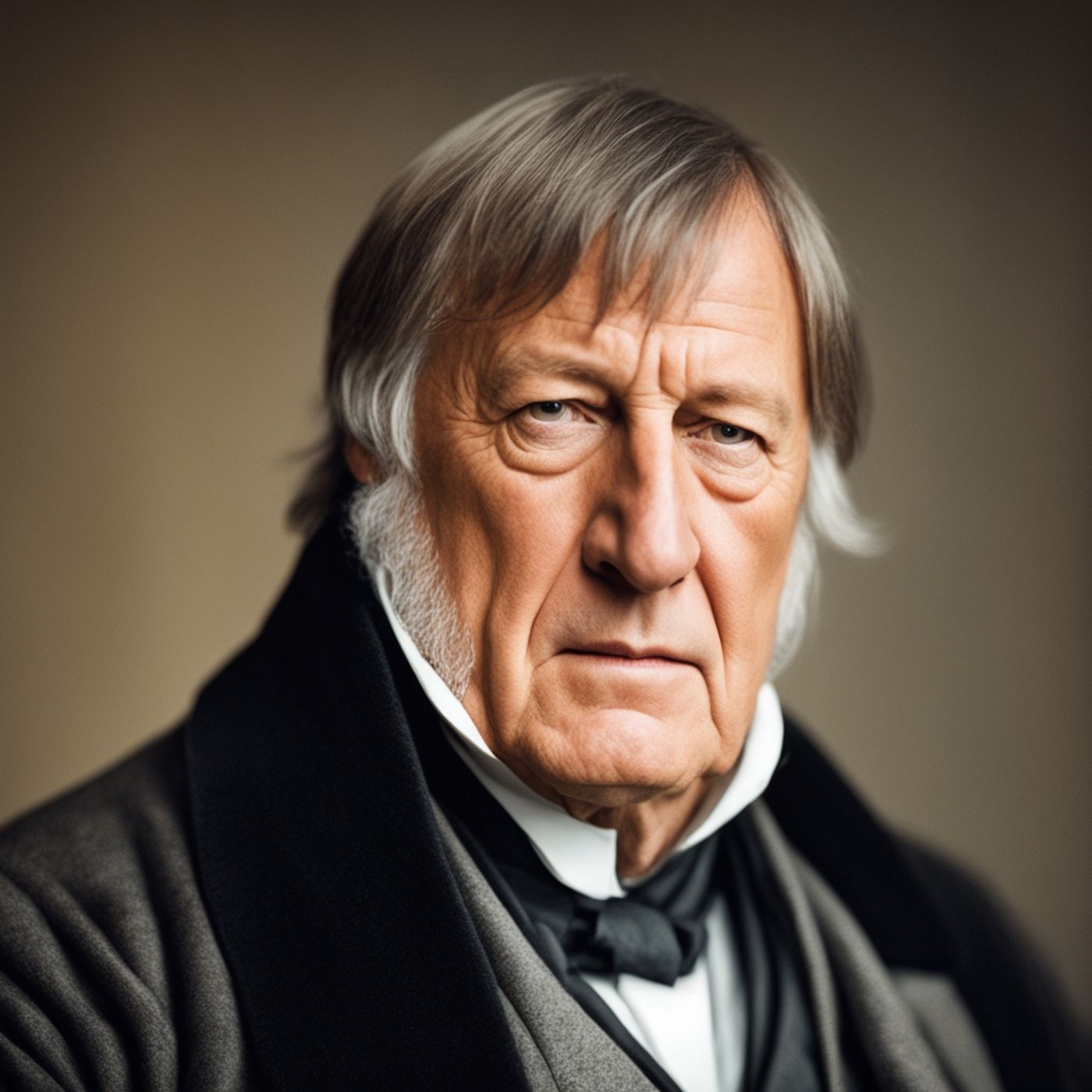
Nietzsche: Art as Affirmation of Life - A Deep Dive Conversation
from The Philosophy Channel · host Robbert Veen
Listen to a “Deep Dive” discussion, created by NotebookLMDiscussion about Beauty and the Affirmation of Life, based on the article "Art and Affirmation" by Bernard Reginster.As Nietzsche states in "The Will to Power", #821:There is no such thing as pessimistic art - Art affirms.Here is the summary of the article.Nietzsche's concept of beauty undergoes a significant evolution in relation to his idea of affirming life. Initially, in The Birth of Tragedy, beauty is seen as an illusion that allows people to "forget" the suffering inherent in existence.... Later, beauty becomes a quality that inspires a desire for deeper engagement with life, including its problematic aspects.... Here's a breakdown of the key changes: Early Conception of Beauty as Illusion:In The Birth of Tragedy, Nietzsche suggests that the affirmation of life requires illusion to help people "forget" the displeasure caused by the "weight and burden of existence". He identifies three stages of illusion.The first is the optimistic "cheerfulness" of the "theoretical man" who believes that science and reason can solve all problems, but this is dismissed as a "delusion"....The second is the "splendid 'naïveté'" of a purely Apollonian culture, where a "veil of beautiful appearances" conceals the true, terrible character of existence. This is not a simple deception, but an avoidance of knowledge....The third, and highest, stage of illusion is that of tragic art, which combines the beautiful appearances of Apollonian art with Dionysian insight into the true, terrible nature of existence....The function of the "beautiful appearance" is to distract or detach us from suffering, achieving a "redemption through pure appearance". This early view of beauty as a "veil" is seen as a form of avoidance or evasion, a deliberate ignorance of the true character of existence. It is a self-deception that does not affirm life as truly worth living. This early view of beauty is associated with the Schopenhauerian view of art as a means to disengage from suffering through pure contemplation. Shift Towards a Dynamic Conception of Beauty:Nietzsche's later works reveal a different approach, where beauty is not just a comforting illusion but a stimulus for action and engagement with life. He moves away from the perspective of the "spectator" of art to that of the "creator," arguing that art's significance lies in the creative activity itself, rather than the comforting view it provides.... The effect of art is to excite the state that creates art.Beauty becomes associated with the idea of inciting desire and interest, moving away from the Schopenhauerian idea of beauty as a property that invites disinterested contemplation and resignation. Beauty is seen as a "promise of happiness" and an invitation to engage with the world, not just to contemplate it. Beauty as a Provocation to Engage with the Problematic:The "veil of beautiful appearances" no longer serves to conceal the terrible character of existence but to make it appear "profound", mysterious, and "problematic". The problematic character of life becomes part of what makes it appealing. This new conception of beauty is tied to the idea of "living dangerously" and taking "joy no longer in certainty but in uncertainty". Nietzsche suggests that the ability to find beauty in life requires strength. This "strength" is linked to the will to power, a desire to confront and overcome resistance. Tragic art becomes a key example of this new concept of beauty by representing the most terrifying and questionable aspects of existence in a way that inspires affirmation, not denial. Tragedy is not about producing a comforting view of life, but inciting a distinctive sort of active engagement with it. Affirmation and the Inestimable Value of Life:Nietzsche eventually concludes that the value of life cannot be estimated. The affirmation of life is not based on a judgment that it is good, but on finding it beautiful, which implies a commitment to engage with it despite its uncertainties. The inestimability of the value of life becomes a condition for the possibility of its affirmation. In summary, Nietzsche's concept of beauty evolves from a comforting illusion in The Birth of Tragedy to a dynamic and challenging force that encourages engagement with life, including its most difficult aspects, in his later works.Become a supporter of this podcast: https://www.spreaker.com/podcast/the-philosophy-channel--4573240/support."Dare to use your own reason" - Immanuel Kant
Embed this episode
Ready to play
Nietzsche: Art as Affirmation of Life - A Deep Dive Conversation
No transcript for this episode yet
Similar Episodes
No similar episodes found.
Similar Podcasts
No similar podcasts found.