
EPISODE · Jan 25, 2025 · 16 MIN
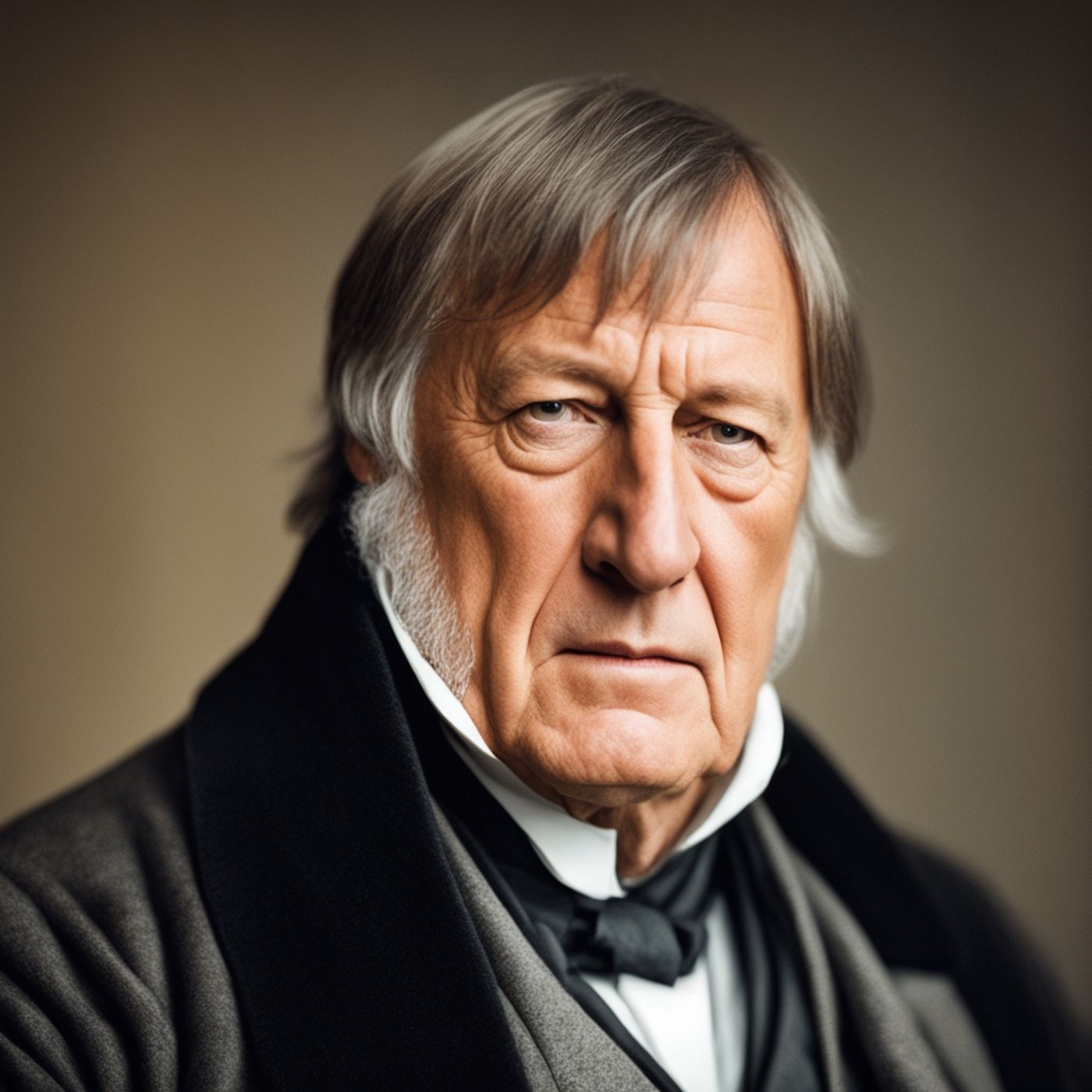
Nietzsche's Idea of the Tragic Poet - A Deep Dive Conversation
from The Philosophy Channel · host Robbert Veen
Listen to a “Deep Dive” discussion, created by NotebookLMIn his Will to Power, a collection of Nietzsche's thoughts on art, primarily drawn from his notes and fragments compiled after his death, focuses on art as a manifestation of the will to power, and as a counter-movement to nihilism, decadence, and other life-denying forces. Here's a summary of the key concepts: Art as a Counter-movement: Nietzsche views art as a necessary counter-movement to religion, morality, and philosophy, which he considers to be forms of decadence. He sees art as a way to affirm life and overcome nihilism, rather than to escape from it. The Artist and the Will to Power: Nietzsche presents the artist as a "higher concept" of man, someone who can shape themselves and their material. The artist is not just a craftsman, but a force of nature, driven by a will to power that expresses itself in the creation of art. The artist has a "compulsion to have visions" and to create. The artist is a "master" of the material they work with. Nietzsche emphasizes that the artist's "formative power" is not about a need to mirror, but to impose one's own vision. The artist is someone who is not afraid of the terrifying and questionable, and who uses art to glorify this condition. The artist does not create to be a spectator of their own work, but to incite a state of creation in others. The effect of art is to excite the state that creates art. Art and Intoxication: Art is associated with states of intoxication, which can be both Apollonian (dream-like) and Dionysian (orgiastic). These states of intoxication are seen as sources of power and creativity. The condition of pleasure caused by intoxication is a sign of enhanced strength. Nietzsche distinguishes between the "sober" and the "strong" artists, implying that only those who experience a kind of "habitual intoxication" can create great art. Beauty as a Sign of Enhanced Power: Beauty is not an objective quality, but something that arises from the artist's will to power. It is an expression of strength and the ability to overcome. Beauty is associated with an "overflowing" of feeling and a "harmonizing of all the strong desires". Nietzsche suggests that beauty is a result of "becoming more beautiful" through an increase in strength. He sees beauty as the highest sign of power, a way to command and overcome without violence The "love of beauty" can also be an expression of an inability to create the beautiful. The judgment of beauty is not objective, but shortsighted, and only concerned with immediate consequences . Ugliness and Decadence: Ugliness signifies the decay of a type, contradiction, and lack of coordination among desires . The ugly is a sign of weakness, and a symptom of the decline of life . The effect of the ugly is depressing. Nietzsche notes that those who are "sick" or have a "nihilistic attitude toward life" take refuge in the beauty of form, but are unable to truly create beauty. Art and Sensuality: Nietzsche emphasizes the connection between art and sensuality, including sexual drives, seeing them as powerful sources of artistic energy. He describes the creative instinct of the artist as being physiologically linked to the "ecstasies of sexuality". He sees a connection between love and art, with love being a kind of intoxication that transfigures, and that art is the "greatest stimulus of life". Art as Transfiguration: Art transfigures life and makes it more full, and can even redeem suffering, as long as it is willed, transformed, and deified. Art can make the ugly and questionable aspects of life beautiful and powerful, as it communicates the artist's inner strength . Art is not meant to represent a beautiful world, but one that shows a world that can be beautiful even in the face of suffering. The Importance of Creation: Nietzsche stresses that the creative process is more significant than the end result. Art is not just about producing beautiful objects, but about the activity of creation itself, which is driven by the will to power. The act of creation is the redemption from suffering. Critique of Conventional Views of Art: Nietzsche criticizes the idea that art should be moralizing or that it should aim for "perfection" in a conventional sense. He also critiques the idea that art is only for the "layman" or those with "good hearing", suggesting that the artist operates on a different level of perception. The Tragic Artist: The tragic artist does not try to escape suffering, but uses it as a source of creation and affirmation. They communicate fearlessness in the face of the terrifying and questionable. Tragedy is not about resignation, but about an affirmation of life, even in its most painful aspects. Art and Truth: Nietzsche indicates that art is not about "truth" in a conventional sense. He sees truth as a lower value than appearance and illusion. He suggests that art uses lies to make life more powerful and beautiful. Art is not about the representation of reality, but about the transfiguration of it. Modern Art: Nietzsche suggests that modern art is characterized by a "lack of style" and a focus on sensationalism rather than genuine power. He critiques modern art for being "tyrannical" over the spectator and for focusing too much on form over content. He also critiques modern art for its “pessimism” and for being "morbid". In summary, Nietzsche views art as a fundamental expression of the will to power, a force that can transfigure reality, affirm life, and overcome nihilism. The artist is a powerful figure, driven by a desire to create, not to represent, and to impose their vision on the world, drawing from sources of intoxication and sensuality. Art is not just about beauty in a conventional sense, but about the creation of new values and the affirmation of life in the face of suffering.Become a supporter of this podcast: https://www.spreaker.com/podcast/the-philosophy-channel--4573240/support."Dare to use your own reason" - Immanuel Kant
Embed this episode
Ready to play
Nietzsche's Idea of the Tragic Poet - A Deep Dive Conversation
No transcript for this episode yet
Similar Episodes
No similar episodes found.
Similar Podcasts
No similar podcasts found.