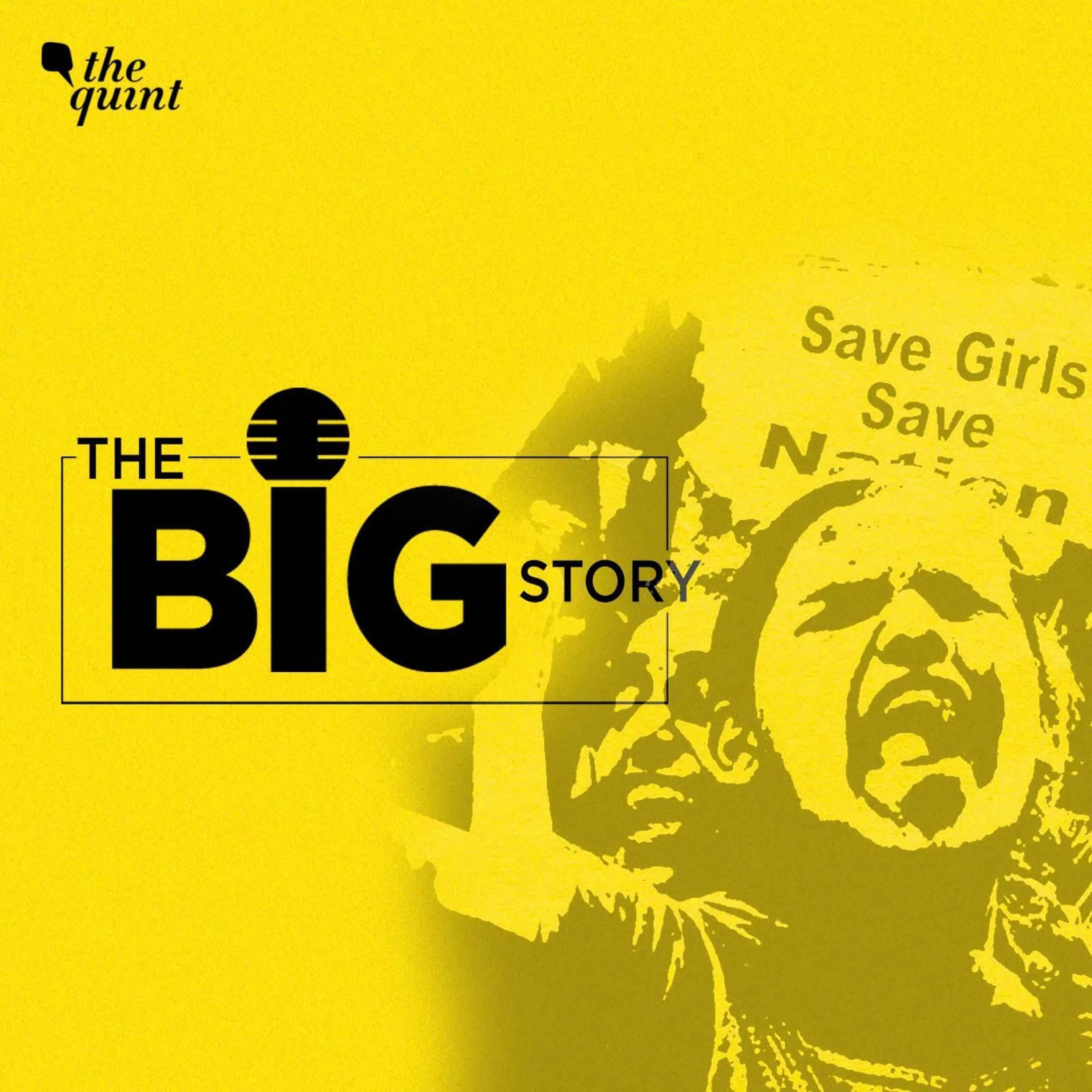
Nirbhaya to Shakti Laws: Why Preventing Rape Not on Agenda? episode artwork

EPISODE · Dec 15, 2020 · 21 MIN

Nirbhaya to Shakti Laws: Why Preventing Rape Not on Agenda?

from The Big Story · host The Quint

16 December brings back memories of the heinous Nirbhaya Gangrape Case of 2012 that shook the very core of the nation and the seven long years that it took to bring justice. It was only nine months back earlier in 20 March 2020 that this case got finally got closure with all four convicts being hanged to death. It was said to be a victorious day not just for Nirbhaya but women generally, yet as we think about Nirbhaya's justice a lot of other factors also come to mind. Why is it that crimes against women have risen further by 7.3 percent in the just the last one year? Despite death penalties being awarded in some cases, why is it that India is not being able to prevent violence against women? With the Maharashtra state cabinet recently approving a draft for the Shakti Bill on 9 December to protect children against sexual violence — it's raising a lot of questions on whether the governments are being short sighted with rape laws. Among other things, while the bill proposes death penalty for rape, gang rape and penetrative sexual assault against children and women, it also seeks to add an ‘explanation’ on 'implied consent' suggesting that in circumstances that point to ‘consent or implied consent,’ consent will be presumed. While lawyers, women's rights activists and children's rights activists are outraged and are viewing this bill as regressive, an old but persistent argument against death penalty for rape is also back in focus. Are such draconian laws more reactionary in nature rather than creating a process to help survivors and victims? Is India's focus on punishment rather than prevention of rape and sexual crimes doing more harm than good? Tune in to The Big Story! Producer and Host: Shorbori Purkayastha Guests: Veena Gowda, Advocate Maharukh Adenwalla, Lawyer and Child Rights Activist Interviews: Ankita Sinha Editor: Shelly Walia Music: Big Bang Fuzz Listen to The Big Story podcast on: Apple: https://apple.co/2AYdLIl Saavn: http://bit.ly/2oix78C Google Podcasts: http://bit.ly/2ntMV7S Spotify: https://spoti.fi/2IyLAUQ Deezer: http://bit.ly/2Vrf5Ng Learn more about your ad choices. Visit megaphone.fm/adchoices

16 December brings back memories of the heinous Nirbhaya Gangrape Case of 2012 that shook the very core of the nation and the seven long years that it took to bring justice. It was only nine months back earlier in 20 March 2020 that this case got finally got closure with all four convicts being hanged to death. It was said to be a victorious day not just for Nirbhaya but women generally, yet as we think about Nirbhaya's justice a lot of other factors also come to mind. Why is it that crimes against women have risen further by 7.3 percent in the just the last one year? Despite death penalties being awarded in some cases, why is it that India is not being able to prevent violence against women? With the Maharashtra state cabinet recently approving a draft for the Shakti Bill on 9 December to protect children against sexual violence — it's raising a lot of questions on whether the governments are being short sighted with rape laws. Among other things, while the bill proposes death penalty for rape, gang rape and penetrative sexual assault against children and women, it also seeks to add an ‘explanation’ on 'implied consent' suggesting that in circumstances that point to ‘consent or implied consent,’ consent will be presumed. While lawyers, women's rights activists and children's rights activists are outraged and are viewing this bill as regressive, an old but persistent argument against death penalty for rape is also back in focus. Are such draconian laws more reactionary in nature rather than creating a process to help survivors and victims? Is India's focus on punishment rather than prevention of rape and sexual crimes doing more harm than good? Tune in to The Big Story! Producer and Host: Shorbori Purkayastha Guests: Veena Gowda, Advocate Maharukh Adenwalla, Lawyer and Child Rights Activist Interviews: Ankita Sinha Editor: Shelly Walia Music: Big Bang Fuzz Listen to The Big Story podcast on: Apple: https://apple.co/2AYdLIl Saavn: http://bit.ly/2oix78C Google Podcasts: http://bit.ly/2ntMV7S Spotify: https://spoti.fi/2IyLAUQ Deezer: http://bit.ly/2Vrf5Ng Learn more about your ad choices. Visit megaphone.fm/adchoices

NOW PLAYING

Nirbhaya to Shakti Laws: Why Preventing Rape Not on Agenda?

0:00 21:15

No transcript for this episode yet

We transcribe on demand. Request one and we'll notify you when it's ready — usually under 10 minutes.

Frequently Asked Questions

How long is this episode of The Big Story?

This episode is 21 minutes long.

When was this The Big Story episode published?

This episode was published on December 15, 2020.

What is this episode about?

16 December brings back memories of the heinous Nirbhaya Gangrape Case of 2012 that shook the very core of the nation and the seven long years that it took to bring justice. It was only nine months back earlier in 20 March 2020 that this case...

Can I download this The Big Story episode?

Yes, you can download this episode by clicking the download button on the episode player, or subscribe to the podcast in your preferred podcast app for automatic downloads.
URL copied to clipboard!