
EPISODE · Mar 14, 2026 · 57 MIN
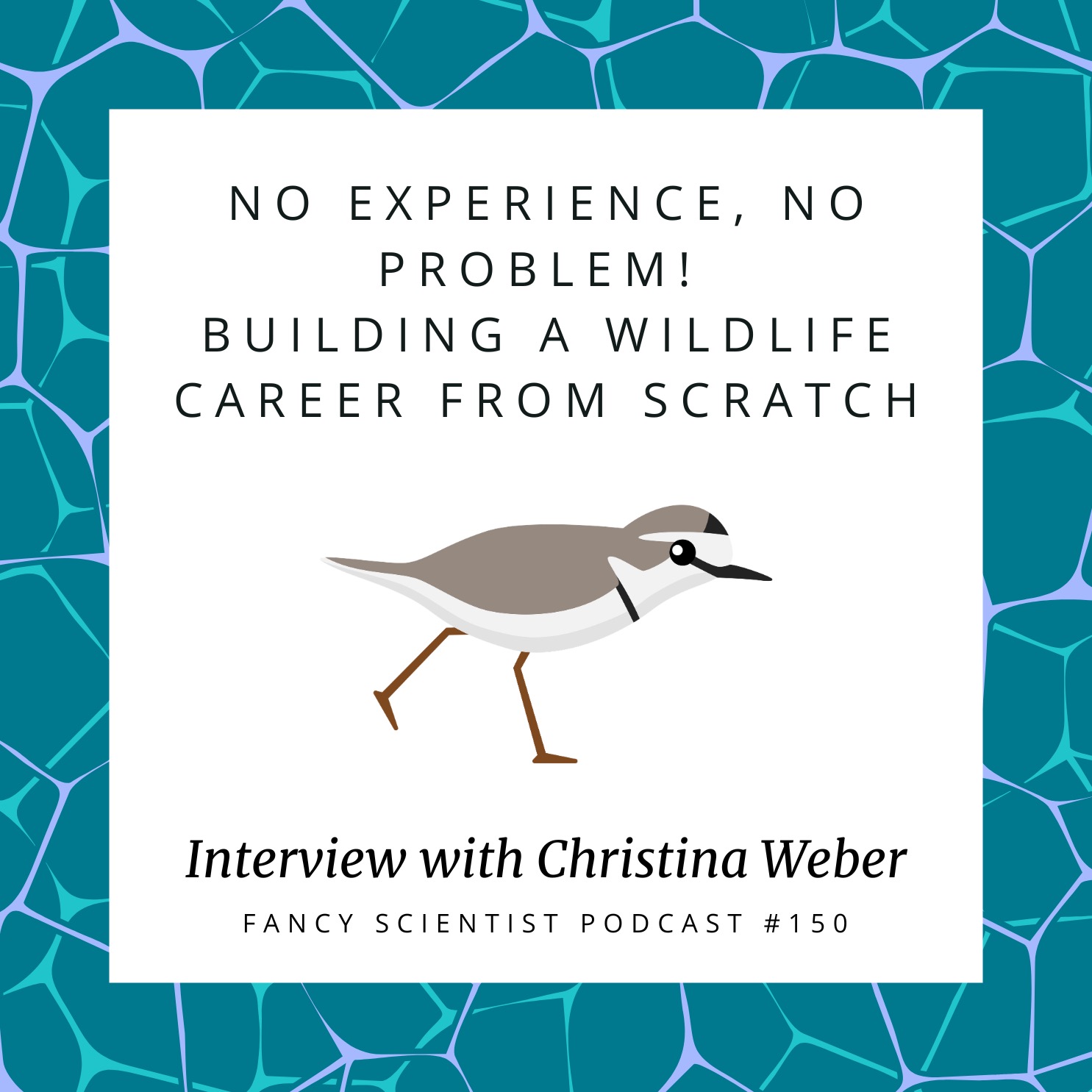
No Experience, No problem! Building a Wildlife Career from Scratch: Interview with Christina Weber
from Fancy Scientist with Dr. Stephanie Manka · host fancyscientist
Christina Weber did what most aspiring wildlife professionals think is impossible: she got every single offer she applied to with absolutely NO EXPERIENCE! How did she do it? That’s what this week’s episode of the Fancy Scientist Podcast is all about. After listening to this episode, I know you’ll walk away inspired, ready to take action, and make things happen in your career so that you can work towards having a real impact on the species that need our help.I invited my former Successful Wildlife Professional student, Christina Weber, to come on the podcast because I have been so impressed by all the success she has achieved despite having no wildlife or environmental experience to get her foot in the door. When Christina began in the program, she was running a dog-walking business and had volunteered with horses, and needed help breaking into wildlife, conservation, or environmental work. Now she is working on a NASA-funded project and getting ready to start a summer internship at the American Museum of Natural History in NYC!Throughout our conversation, you’ll learn exactly what Christina did to gain traction fast in her career. She took the program’s advice and ran with it. And it WORKED. It worked so well that I honestly can’t believe her results! She took experience into her own hands and started with citizen and community science (including regularly conducting eBird surveys). She took advantage of and attended one-off hands-on volunteer opportunities such as beach cleanups, seal monitoring, and horseshoe crab monitoring to start somewhere and meet people in the field.You’ll hear how Christina maximized opportunities to network, including creating her own connections by cold emailing professionals with the templates provided in the Successful Wildlife Professional program, even though she describes herself as shy and introverted. Her networking efforts led to referrals, informational conversations, and REAL job opportunities.The results were incredible: Christina applied to four seasonal positions over the summer and was offered every one of them. She was even offered an AZA-accredited aquarium internship that she didn’t apply for! The employer received her resume through a cold email and decided to put it in the internship pile! Christina was shocked when she received a call asking if she wanted to interview.Christina shares that now she’s conducting research through a NASA-funded New Jersey Space Grant Consortium project on microplastic bioaccumulation in marine copepods. She explains how she designed a project connected to her ultimate goal of working with whales by studying what whales eat. When facing obstacles, she didn’t let anything stop her, and she describes being “scrappy” in her community college setting by building equipment, culturing phytoplankton, and managing the costs and logistics of an ambitious project.We also talk about how much wildlife work involves working with people. Christina was even able to bring her past dog-walking experience into her wildlife work! She shares that she educated dog owners on responsible beach behavior around endangered piping plovers, using common ground from her dog walking business to communicate conservation messages effectively.After the interview, I offer you take-home points that you can apply right away to your own situation right now, no matter who you are, including how to volunteer without giving up your whole life or going into debt, using citizen/community science to build legitimate experience, get on LinkedIn strategically, and focus on quality over quantity in your job applications.If you ever thought you couldn’t do something because you didn’t have enough experience, go to the right school, or know the right people, Christina is living proof that you can do it on your own! There are NO excuses!Specifically, we talk about:Christina’s exact steps from being a dog-walking business owner to working on a NASA-funded research projectWhy citizen and community science (like eBird surveys) can be a powerful way to build a real wildlife experienceSimple ways to gain hands-on exposure through short-term volunteer opportunities, such as beach or river cleanups, restoration projects, or other community service daysHow strategic networking and cold emailing professionals can open doors, even if you’re shy or introvertedHow Christina used networking to get referrals, informational interviews, and unexpected job opportunitiesWhy she received job offers from every seasonal wildlife position she applied forThe surprising story of how she was offered an AZA-accredited aquarium internship she never applied for!An overview of her research on microplastic bioaccumulation in marine copepods through a NASA-funded projectHow she designed her research to align with her long-term goal of working with whales by studying their food sourcesHow she stayed resourceful in a community college setting by building equipment, culturing phytoplankton, and managing research logisticsWhy communication and working with people are a major part of wildlife careersPractical advice on volunteering without sacrificing your entire scheduleHow to use LinkedIn strategically to build relationships in the wildlife fieldWhy focusing on quality over quantity when applying for jobs can dramatically improve resultsThe mindset shift needed to stop waiting for perfect qualifications and start creating opportunitiesJump links:03:52 Christina’s Nontraditional Start06:24 First Steps in Wildlife07:22 Landing Job Offers10:30 Volunteering That Counts13:24 Networking for Introverts16:12 LinkedIn Career Boost17:49 Cold Email Aquarium Win19:15 Dream Job and Research Path21:13 NASA Microplastics Project27:01 Finding Your Field Fit29:23 Humbling Field Moments30:29 Protecting Piping Plovers31:06 Finding Common Ground32:28 Career Wins and Strategy35:01 Horseshoe Crabs and Policy38:42 Wildlife Moments and Whales40:13 Program Lessons and Mindset51:05 Post Interview TakeawaysDream of being a wildlife biologist, zoologist, conservation biologist, or ecologist? Ready to turn your love of animals into a thriving career?🌿🐘 Then…✍️ SIGN UP for my next FREE training: https://fancyscientist.com/3-pillars-to-success/🗺️ Get my FREE wildlife career guide: https://fancyscientist.com/wildlife-career-success-guide/📚 Read Getting a Job in Wildlife Biology: What It’s Like and What You Need to Know: https://www.amazon.com/Getting-Job-Wildlife-Biology-What/dp/B08JDYXS4G/🚀 Work with me! Programs: https://stephanieschuttler.com/work-with-me/I’m Dr. Stephanie Manka (formerly Schuttler), a wildlife biologist of 20 yrs who is on a mission to empower wildlife professionals and break stereotypes of scientists so they can get jobs, live out their life’s purpose and make a difference in this world.🎥 How I became a wildlife biologist: https://youtu.be/zBvHRDO7gIg Full show notes:👉https://stephanieschuttler.com/fancy-scientist-podcast-150-christina-weber/Let’s connect! 🤝✨Website: https://fancyscientist.com/Getting a Job in Wildlife Biology Facebook Group: https://www.facebook.com/groups/gettingajobinwildlifebiologyYouTube: https://www.youtube.com/@FancyScientistInstagram: https://www.instagram.com/fancy_scientist/LinkedIn: https://www.linkedin.com/in/sgschuttler/ Facebook: https://www.facebook.com/fancyscientist/Twitter: https://twitter.com/FancyScientistThreads: https://www.threads.net/@fancy_scientistBluesky: https://bsky.app/profile/fancyscientist.bsky.socialPinterest: https://www.pinterest.com/fancyscientist/
Embed this episode
NOW PLAYING
No Experience, No problem! Building a Wildlife Career from Scratch: Interview with Christina Weber
No transcript for this episode yet
Similar Episodes
No similar episodes found.
Similar Podcasts
No similar podcasts found.