
EPISODE · Mar 19, 2025 · 21 MIN
No Need for Vaccines. God will Cure Us!
from The Non-Prophets · host Atheist Community of Austin
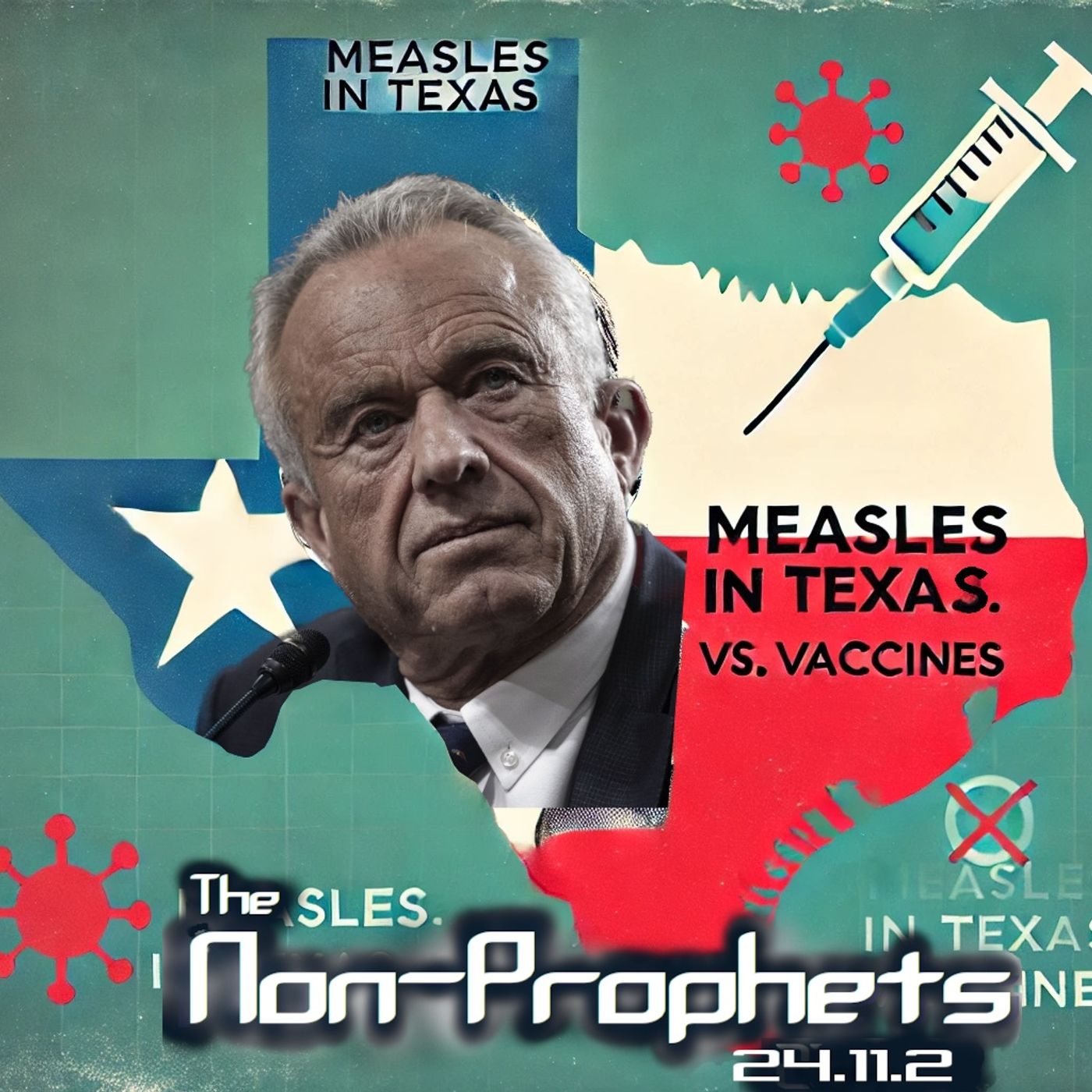
West Texans, Mennonites at center of measles outbreak choose medical freedom over vaccine mandates AP News, By Devi Shastri, on March 4, 2025 https://apnews.com/article/measles-outbreak-texas-rfk-vaccines-8cf4641b04731c713edb524ca943490c The discussion opens with the old saying, "God helps those who help themselves," but the Mennonite community in rural Texas appears to have missed that memo. Under RFK Jr.'s leadership in the Department of Health, the United States is seeing a rise in measles and other supposedly eradicated diseases. This resurgence is largely due to a rejection of medical science based on faith, a lack of trust in institutions, and inadequate public health education in isolated communities. The consequences of anti-vaccine ideology are dire, particularly in areas with limited health outreach. Faith-based decision-making is leading to preventable deaths, all because of a refusal to vaccinate. The conversation shifts to the tension between parental rights and public health. Many argue that parents should have the right to raise their children as they see fit, but when parental decisions cause harm to others, there’s a problem. The issue arises in part from many adults ceasing to learn after leaving school, making them susceptible to misinformation. People focus on the small risks of vaccines without comparing them to the far greater risks of preventable diseases. It's like claiming water is deadly because it appears in autopsy results—misinterpreting basic facts without context leads to unnecessary fear and poor decisions. The hosts discuss RFK Jr.’s credibility—or lack thereof—regarding vaccines. Despite his skepticism, Kennedy has no medical background. His experience is in environmental law, not medicine or immunology, and his history includes youthful delinquency, drug use, and a complete lack of medical education. While his efforts in fighting corporate pollution are commendable, they do not qualify him to make medical determinations. The irony is clear: a pastor dismisses rigorously tested vaccines but trusts an unqualified figurehead without expertise in medicine. The conversation also addresses whether a lack of education can justify health negligence, particularly in isolated religious communities such as the Mennonites and Amish. One host argues that even uneducated parents should be able to recognize rising child mortality rates and take steps to address them. The problem is not total ignorance but being misinformed. Many parents reject vaccines because they fear their children will develop autism, despite no scientific evidence linking the two. This misinformation is pervasive and convincing, even for those who otherwise trust science. A personal story from the early 2000s highlights the straightforward decision to vaccinate when the chickenpox vaccine became available. In contrast, the modern age of the internet has made it harder for parents to distinguish fact from fiction. One speaker shares that their time in EMT school helped develop critical thinking skills and a trust in medical expertise. Trusting a pediatrician, someone with years of education, should be the default, but many parents instead turn to dubious online sources, trusting "Kevin from Facebook" over trained doctors. The conversation also explores the generational gap in vaccine awareness. Older generations remember the devastating effects of diseases like measles, polio, and chickenpox, while younger parents have never witnessed these outcomes. As a result, they underestimate the importance of vaccines, treating them as optional rather than essential. Adding to this problem is a rise in religious rhetoric framing vaccines as a challenge to faith, convincing people that true followers of Jesus wouldn’t accept foreign substances in their bodies. This mix of ignorance, selfishness, and misinformation creates a dangerous situation. The discussion closes by revisiting the Mennonite community’s position between isolation and engagement with modern society. Unlike the Amish, who are entirely separate from secular culture, Mennonites interact with the outside world but resist certain aspects of it. This raises the question: how much information are they really receiving, and can they verify its accuracy? It seems clear that, like many others, they cannot. The challenge is to bridge this knowledge gap before more preventable deaths occur. The Non-Prophets, Episode 24.11.2 featuring Helen Greene, Eli Slack, Kelley Laughlin and Tracy WilbertBecome a supporter of this podcast: https://www.spreaker.com/podcast/the-non-prophets--3254964/support.
Embed this episode
What this episode covers
West Texans , Mennonites at center of measles outbreak choose medical freedom over vaccine <a...
NOW PLAYING
No Need for Vaccines. God will Cure Us!
No transcript for this episode yet
Similar Episodes
No similar episodes found.
Similar Podcasts
No similar podcasts found.