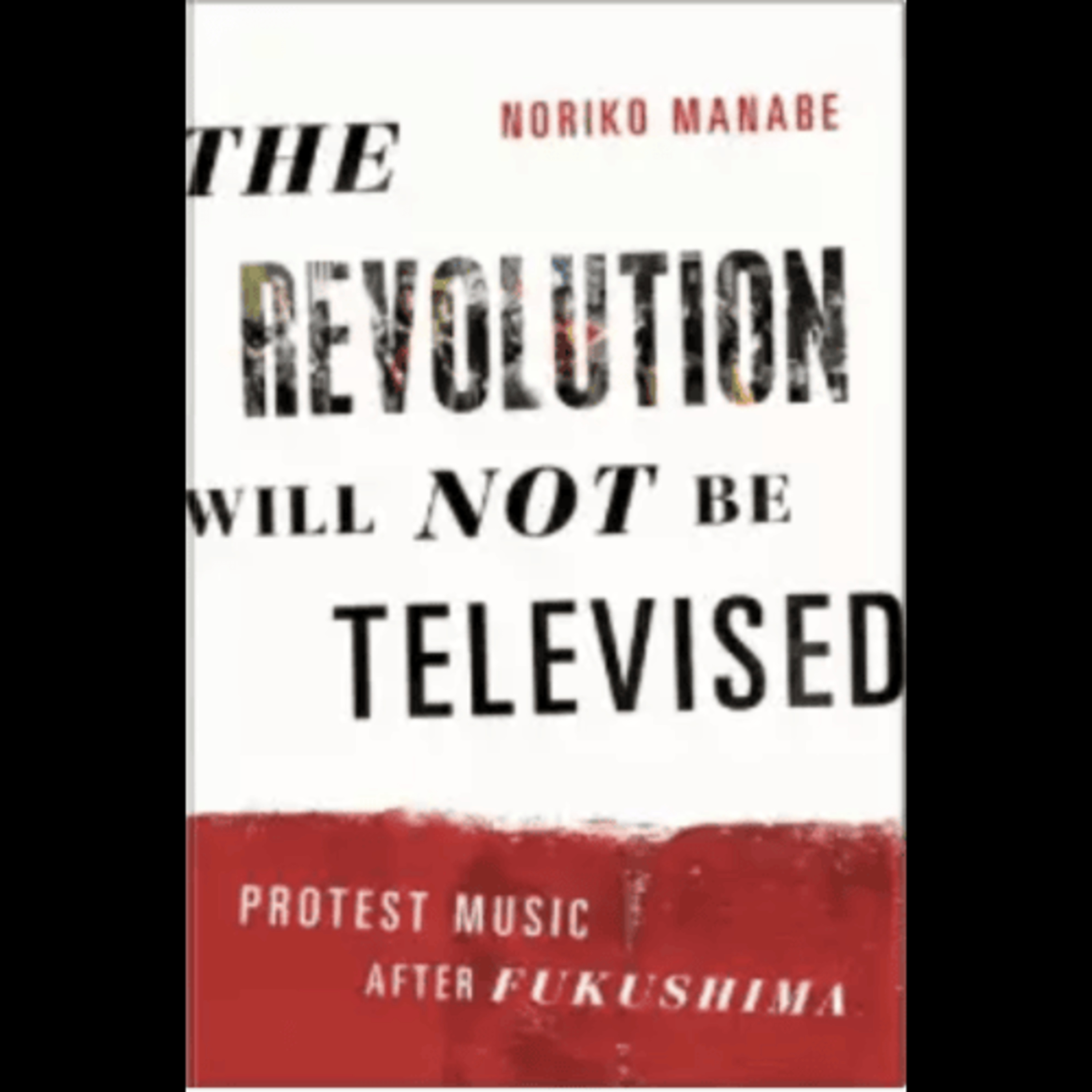
Noriko Manabe, "The Revolution Will Not Be Televised: Protest Music After Fukushima," (Oxford University Press, 2015) episode artwork

EPISODE · Nov 11, 2024 · 18 MIN

Noriko Manabe, "The Revolution Will Not Be Televised: Protest Music After Fukushima," (Oxford University Press, 2015)

from The New East Asian Studies Podcasts in the Age of AI · host Barton Qian

Nuclear power has been a contentious issue in Japan since the 1950s, and in the aftermath of the Fukushima nuclear power plant disaster, the conflict has only grown. Government agencies and the nuclear industry continue to push a nuclear agenda, while the mainstream media adheres to the official line that nuclear power is Japan's future. Public debate about nuclear energy is strongly discouraged. Nevertheless, antinuclear activism has swelled into one of the most popular and passionate movements in Japan, leading to a powerful wave of protest music. The Revolution Will Not Be Televised: Protest Music After Fukushima shows that music played a central role in expressing antinuclear sentiments and mobilizing political resistance in Japan. Combining musical analysis with ethnographic participation, author Noriko Manabe offers an innovative typology of the spaces central to the performance of protest music--cyberspace, demonstrations, festivals, and recordings. She argues that these four spaces encourage different modes of participation and methods of political messaging. The openness, mobile accessibility, and potential anonymity of cyberspace have allowed musicians to directly challenge the ethos of silence that permeated Japanese culture post-Fukushima. Moving from cyberspace to real space, Manabe shows how the performance and reception of music played at public demonstrations are shaped by the urban geographies of Japanese cities. While short on open public space, urban centers in Japan offer protesters a wide range of governmental and commercial spaces in which to demonstrate, with activist musicians tailoring their performances to the particular landscapes and soundscapes of each. Music festivals are a space apart from everyday life, encouraging musicians and audience members to freely engage in political expression through informative and immersive performances. Conversely, Japanese record companies and producers discourage major-label musicians from expressing political views in recordings, forcing antinuclear musicians to express dissent indirectly: through allegories, metaphors, and metonyms. The first book on Japan's antinuclear music, The Revolution Will Not Be Televised provides a compelling new perspective on the role of music in political movements. nuclear power Japan Fukushima disaster impact Japanese antinuclear activism protest music Japan music and political resistance Noriko Manabe protest music antinuclear movement Japan cyberspace activism Japan Japanese protest demonstrations urban protest geographies Japan music festivals political expression Japanese media nuclear power political music Japan post-Fukushima protests protest music and cyberspace government and nuclear industry Japan antinuclear songs Japan nuclear debate Japan East Asian Studies Podcast Japanese History Podcast Japanese History

Nuclear power has been a contentious issue in Japan since the 1950s, and in the aftermath of the Fukushima nuclear power plant disaster, the conflict has only grown. Government agencies and the nuclear industry continue to push a nuclear agenda, while the mainstream media adheres to the official line that nuclear power is Japan's future. Public debate about nuclear energy is strongly discouraged. Nevertheless, antinuclear activism has swelled into one of the most popular and passionate movements in Japan, leading to a powerful wave of protest music. The Revolution Will Not Be Televised: Protest Music After Fukushima shows that music played a central role in expressing antinuclear sentiments and mobilizing political resistance in Japan. Combining musical analysis with ethnographic participation, author Noriko Manabe offers an innovative typology of the spaces central to the performance of protest music--cyberspace, demonstrations, festivals, and recordings. She argues that these four spaces encourage different modes of participation and methods of political messaging. The openness, mobile accessibility, and potential anonymity of cyberspace have allowed musicians to directly challenge the ethos of silence that permeated Japanese culture post-Fukushima. Moving from cyberspace to real space, Manabe shows how the performance and reception of music played at public demonstrations are shaped by the urban geographies of Japanese cities. While short on open public space, urban centers in Japan offer protesters a wide range of governmental and commercial spaces in which to demonstrate, with activist musicians tailoring their performances to the particular landscapes and soundscapes of each. Music festivals are a space apart from everyday life, encouraging musicians and audience members to freely engage in political expression through informative and immersive performances. Conversely, Japanese record companies and producers discourage major-label musicians from expressing political views in recordings, forcing antinuclear musicians to express dissent indirectly: through allegories, metaphors, and metonyms. The first book on Japan's antinuclear music, The Revolution Will Not Be Televised provides a compelling new perspective on the role of music in political movements. nuclear power Japan Fukushima disaster impact Japanese antinuclear activism protest music Japan music and political resistance Noriko Manabe protest music antinuclear movement Japan cyberspace activism Japan Japanese protest demonstrations urban protest geographies Japan music festivals political expression Japanese media nuclear power political music Japan post-Fukushima protests protest music and cyberspace government and nuclear industry Japan antinuclear songs Japan nuclear debate Japan East Asian Studies Podcast Japanese History Podcast Japanese History

NOW PLAYING

Noriko Manabe, "The Revolution Will Not Be Televised: Protest Music After Fukushima," (Oxford University Press, 2015)

0:00 18:52

No transcript for this episode yet

We transcribe on demand. Request one and we'll notify you when it's ready — usually under 10 minutes.

Frequently Asked Questions

How long is this episode of The New East Asian Studies Podcasts in the Age of AI?

This episode is 18 minutes long.

When was this The New East Asian Studies Podcasts in the Age of AI episode published?

This episode was published on November 11, 2024.

What is this episode about?

Nuclear power has been a contentious issue in Japan since the 1950s, and in the aftermath of the Fukushima nuclear power plant disaster, the conflict has only grown. Government agencies and the nuclear industry continue to push a nuclear agenda,...

Can I download this The New East Asian Studies Podcasts in the Age of AI episode?

Yes, you can download this episode by clicking the download button on the episode player, or subscribe to the podcast in your preferred podcast app for automatic downloads.
URL copied to clipboard!