Nostalgic Tees & Tyranny [No. 090]
from Greg's Newsletter Hosted by Greg Brown
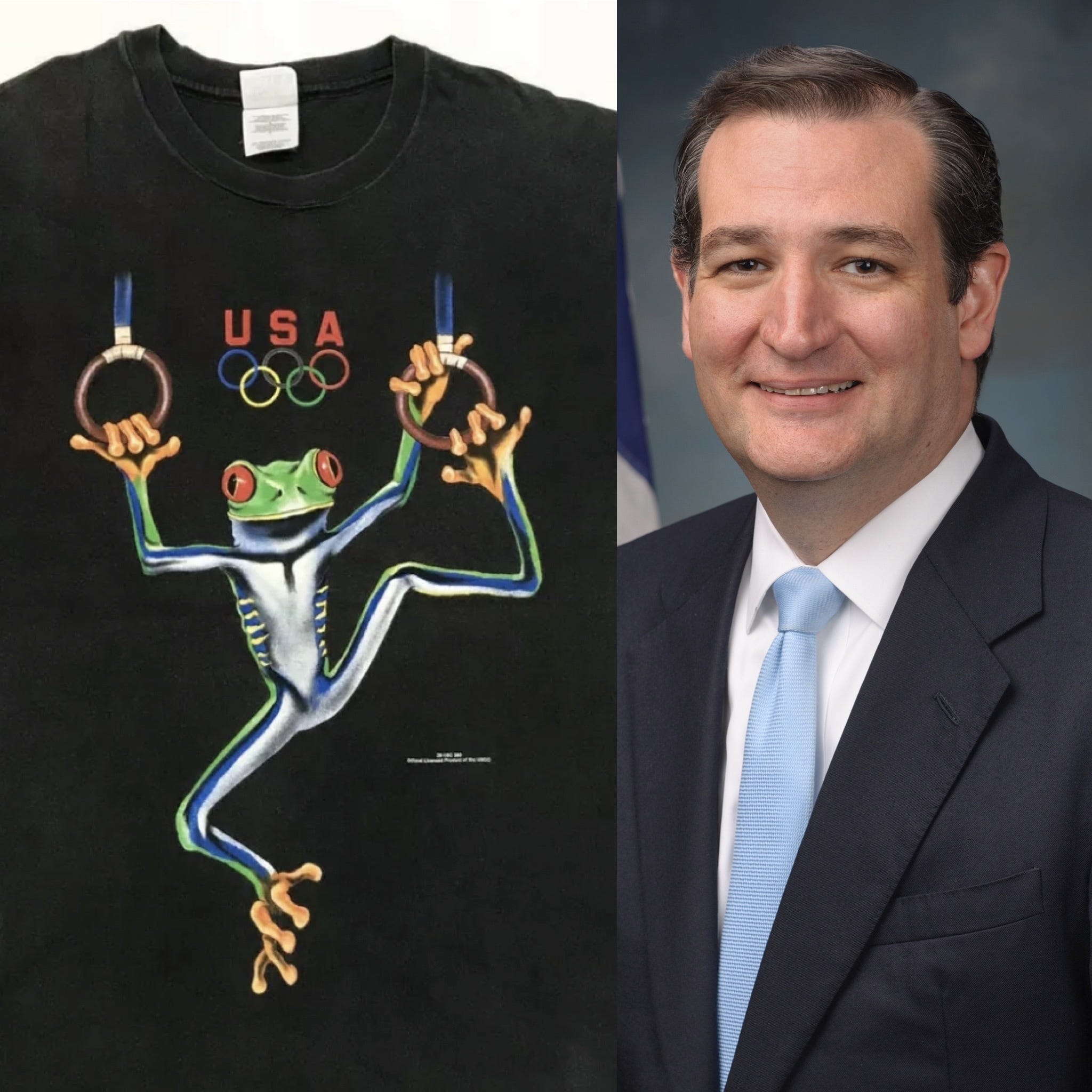
I've been thinking a lot about nostalgia lately. In music, in clothes and fashion. And in how different generations, cohorts, and demographics view nostalgia and what they're nostalgic for. Svetlana Boym, the media artist, playwright, and novelist, defined two main types of nostalgia: the reflective and the restorative. Restorative nostalgia stresses nóstos (home) and attempts a transhistorical reconstruction of the lost home. Reflective nostalgia thrives in álgos, the longing itself, and delays the homecoming—wistfully, ironically, desperately. These distinctions are not absolute binaries, and one can surely make a more refined mapping of the gray areas on the outskirts of imaginary homelands. Restorative nostalgia does not think of itself as nostalgia, but rather as truth and tradition. Reflective nostalgia dwells on the ambivalences of human longing and belonging and does not shy away from the contradictions of modernity. Restorative nostalgia protects the absolute truth, while reflective nostalgia calls it into doubt. Reflective nostalgia is at the core of my version of nostalgia: there's undoubtedly a longing for something I used to have—material, emotional, psychological—when I'm spending hours at a time on eBay looking at Detroit sports t-shirts from the 80s. It's at the core of the current Gen Z/millennial obsession with it. It's not a view of nostalgia that says "things were better back then" or that "I want the world to exist exactly how it did 20 years ago." Rather, there's irony embedded in it. There's general awareness and self-awareness. There's a tacit belief that some of the things we're nostalgic for were good and that so much of our own past was embedded in a world, institutions, and social order that were fundamentally wrong or bad. We created symbols of meaning, but those symbols sometimes have meaning despite all of the bad that was happening. Restorative nostalgia, on the other hand, is dangerous. To further quote Boym: Restorative nostalgia is at the core of recent national and religious revivals. It knows two main plots—the return to origins and the conspiracy. Reflective nostalgia does not follow a single plot but explores ways of inhabiting many places at once and imagining different time zones. It loves details, not symbols. Republicans' current attempt (and success) at further restricting voting rights and access to non-white people is an extension of restorative nostalgia, in a sense. They're longing for—and trying to rewrite our current history to match—a time when only white people could vote, when minorities had even less access and rights than they do now. Of course it's all rooted in overtly racist, discriminatory, and fundamentally anti-democratic beliefs, as authoritarianism is. Restorative nostalgia is seen in "Make America Great Again," and the rest of the terribly terrifying nationalist fervor rooted in white grievance, white rage. It's a core tenant of the right wing disinformation and propaganda machine that occupies cable channels and social media in the U.S., and in authoritarian states globally. I'm looking forward to digging a little more into nostalgia with more of a critical eye. Both to reflect on my own interests and passions (I've made quite the t-shirt haul this year!) and the ongoing war on democracy, minorities, and progress. You know, the light stuff. Anyways to close out today's newsletter, I have some news to share: the new Dean of LSU's School of Veterinary Medicine is named Oliver Garden. Dr. Oliver Garden. OLIVER GARDEN! OK, that's it. Love you all. Get full access to Greg's Newsletter at greg.substack.com/subscribe
Embed this episode
No transcript yet.