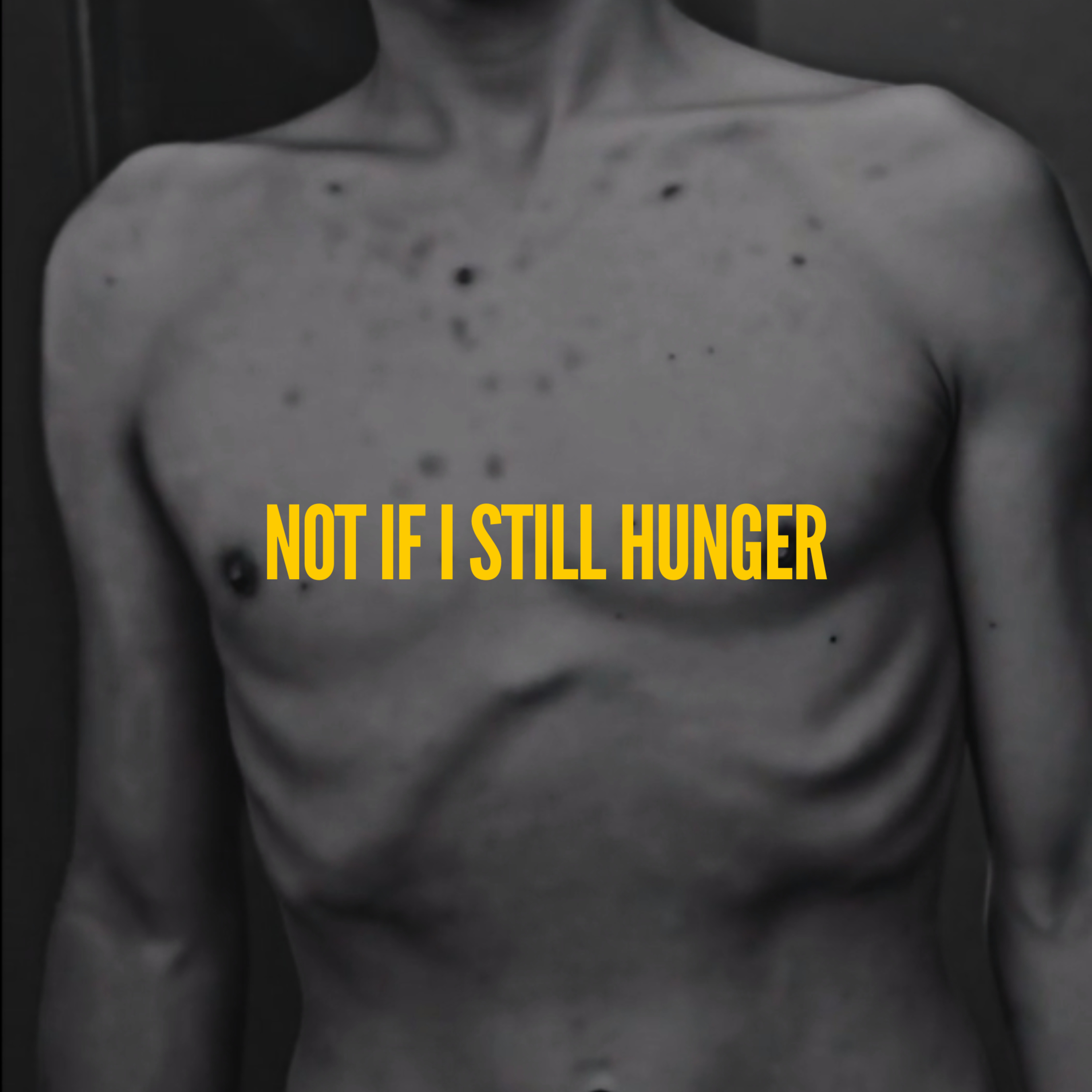
Not If I Still Hunger episode artwork

EPISODE · Feb 11, 2026 · 11 MIN

Not If I Still Hunger

from Martínez Roque v. USA · host Samuel Martínez Roque

Not If I Still Hunger (Explicit) is a first-person political testimony that examines hunger not as metaphor, but as a mechanism of power operating at the intersection of human trafficking, labor exploitation, and institutional delay. Written from the lived experience of an immigrant survivor, Samuel Martínez Roque argues that deprivation of food, safety, stability, and recognition is routinely weaponized to discipline vulnerable populations into silence and compliance. Through a sustained critique of waiting, “process,” and forced forgiveness, this episode exposes how bureaucratic language launder violence by recasting harm as procedure and survival as patience. Central to the narrative is Ramon Ontiveros, named not as an anomaly but as an enactment of a broader structural logic in which wage withholding, forced starvation, and retaliation function as tools of control in the context of human trafficking and labor exploitation. Martínez Roque rejects regret and closure as moral obligations imposed on the harmed while conditions of exploitation remain ongoing. Instead, hunger is reframed as historical memory and political refusal, an embodied indictment of systems that demand endurance without repair. By foregrounding voice, certainty, and non-consent, this episode challenges legal and social frameworks that require victims to neutralize their own testimony in order to be believed, arguing that enforced silence is not civility but a continuation of violence by other means.

Not If I Still Hunger (Explicit) is a first-person political testimony that examines hunger not as metaphor, but as a mechanism of power operating at the intersection of human trafficking, labor exploitation, and institutional delay. Written from the lived experience of an immigrant survivor, Samuel Martínez Roque argues that deprivation of food, safety, stability, and recognition is routinely weaponized to discipline vulnerable populations into silence and compliance. Through a sustained critique of waiting, “process,” and forced forgiveness, this episode exposes how bureaucratic language launder violence by recasting harm as procedure and survival as patience. Central to the narrative is Ramon Ontiveros, named not as an anomaly but as an enactment of a broader structural logic in which wage withholding, forced starvation, and retaliation function as tools of control in the context of human trafficking and labor exploitation. Martínez Roque rejects regret and closure as moral obligations imposed on the harmed while conditions of exploitation remain ongoing. Instead, hunger is reframed as historical memory and political refusal, an embodied indictment of systems that demand endurance without repair. By foregrounding voice, certainty, and non-consent, this episode challenges legal and social frameworks that require victims to neutralize their own testimony in order to be believed, arguing that enforced silence is not civility but a continuation of violence by other means.

NOW PLAYING

Not If I Still Hunger

0:00 11:26

No transcript for this episode yet

We transcribe on demand. Request one and we'll notify you when it's ready — usually under 10 minutes.

Frequently Asked Questions

How long is this episode of Martínez Roque v. USA?

This episode is 11 minutes long.

When was this Martínez Roque v. USA episode published?

This episode was published on February 11, 2026.

What is this episode about?

Not If I Still Hunger (Explicit) is a first-person political testimony that examines hunger not as metaphor, but as a mechanism of power operating at the intersection of human trafficking, labor exploitation, and institutional delay. Written from...

Can I download this Martínez Roque v. USA episode?

Yes, you can download this episode by clicking the download button on the episode player, or subscribe to the podcast in your preferred podcast app for automatic downloads.
URL copied to clipboard!