
EPISODE · Jan 14, 2025 · 5 MIN
Numbers
from Audio Urdu Bible ( AgapeNow.TV)
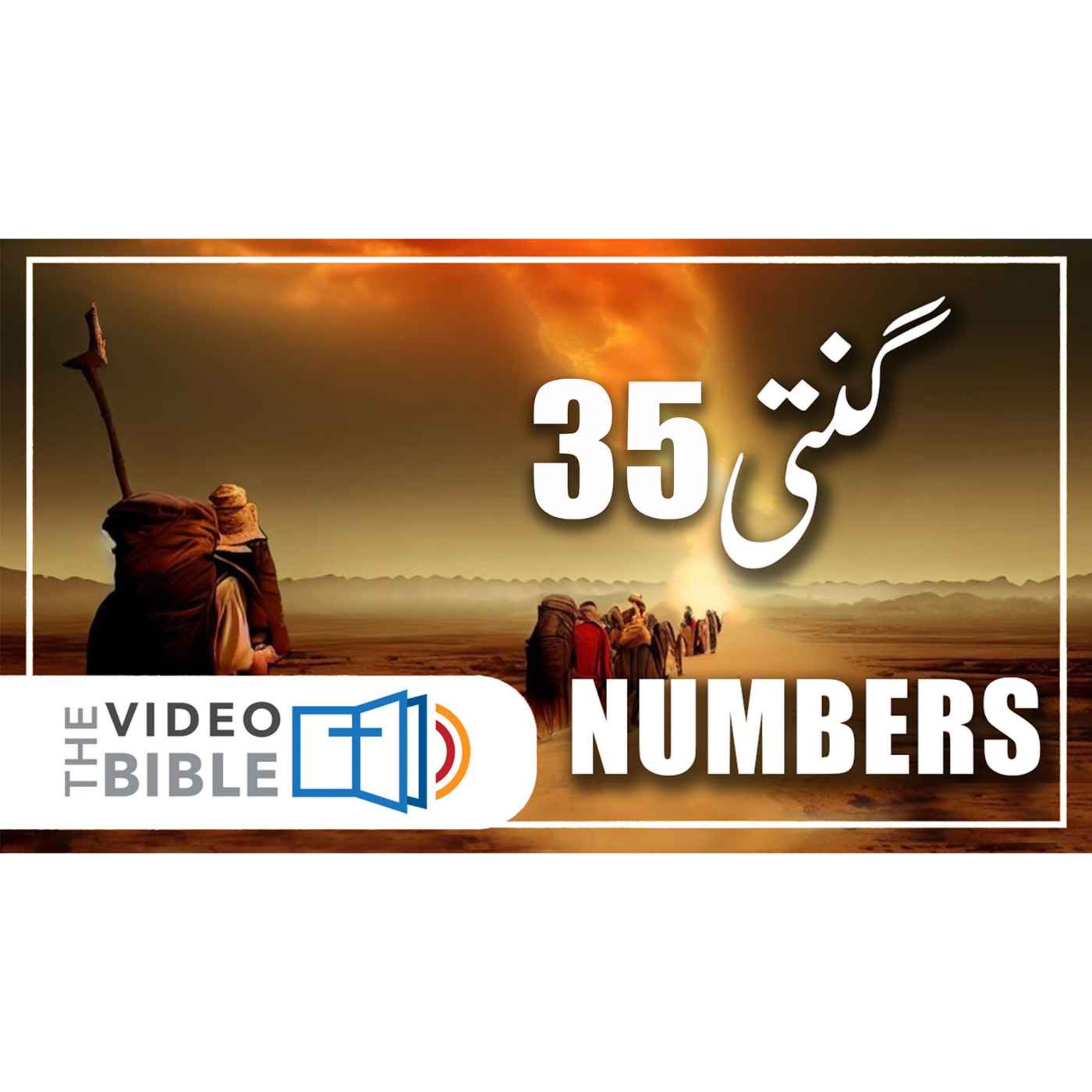
Introduction to the Book of Numbers1. Title and AuthorshipThe title "Numbers" originates from the Greek word Arithmoi (from the Septuagint), reflecting the census data in the book. In Hebrew, it is called Bemidbar, meaning "In the Wilderness," which better captures its narrative focus. Traditionally, Moses is regarded as the author, as indicated by internal references and Jewish tradition.2. Historical ContextThe Book of Numbers covers the Israelites' journey from Mount Sinai to the borders of the Promised Land, spanning approximately 40 years. It recounts their struggles, rebellions, and God's faithfulness during their time in the wilderness.3. Structure and ContentNumbers is divided into three main sections:Preparation at Sinai (Chapters 1-10): Includes the census, camp organization, and laws for worship and purity.Wilderness Wanderings (Chapters 11-25): Narrates Israel’s disobedience, divine punishments, and provision.Preparation for Canaan (Chapters 26-36): Focuses on a second census, division of the land, and final instructions for entering Canaan.4. Key ThemesGod’s Faithfulness: Despite Israel's repeated rebellion, God’s covenant and promises remain steadfast.Judgment and Mercy: The consequences of disobedience are contrasted with God’s provision and guidance.Leadership and Community: The roles of Moses, Aaron, and the elders highlight leadership in the face of challenges.Journey to Fulfillment: The transition from slavery in Egypt to preparation for the Promised Land symbolize spiritual growth.5. Theological SignificanceThe Book of Numbers illustrates the tension between human frailty and divine grace, emphasizing trust in God's guidance. It serves as a reminder of God’s presence, holiness, and the necessity of obedience in the faith journey.Introduction to the Book of Numbers1. Title and AuthorshipThe title "Numbers" originates from the Greek word Arithmoi (from the Septuagint), reflecting the census data in the book. In Hebrew, it is called Bemidbar, meaning "In the Wilderness," which better captures its narrative focus. Traditionally, Moses is regarded as the author, as indicated by internal references and Jewish tradition.2. Historical ContextThe Book of Numbers covers the Israelites' journey from Mount Sinai to the borders of the Promised Land, spanning approximately 40 years. It recounts their struggles, rebellions, and God's faithfulness during their time in the wilderness.3. Structure and ContentNumbers is divided into three main sections:Preparation at Sinai (Chapters 1-10): Includes the census, camp organization, and laws for worship and purity.Wilderness Wanderings (Chapters 11-25): Narrates Israel’s disobedience, divine punishments, and provision.Preparation for Canaan (Chapters 26-36): Focuses on a second census, division of the land, and final instructions for entering Canaan. Hosted on Acast. See acast.com/privacy for more information.
Embed this episode
NOW PLAYING
Numbers
No transcript for this episode yet
Similar Episodes
No similar episodes found.
Similar Podcasts
No similar podcasts found.