
EPISODE · Feb 25, 2019 · 1H 2M
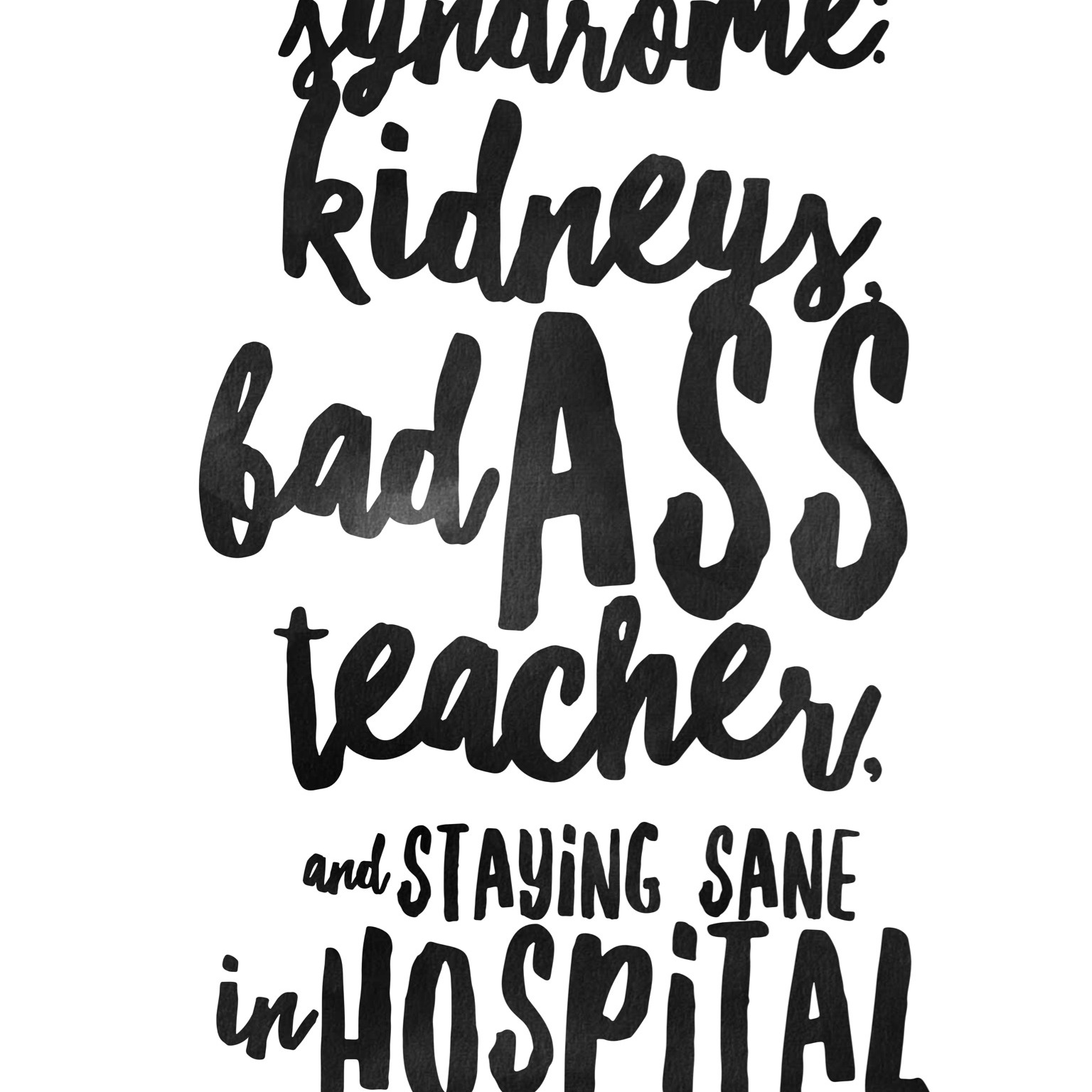
Nutcracker Syndrome: Kidneys, Bad Ass Teacher, and Staying Sane in Hospital and on Bed Rest
from Invisible Not Broken - Chronic Illness Podcast Network · host Hosts: Monica and Eva
Links: Family Leave ActAccupuncture for RecoveryBest Shows To WatchCriminal Mind, Russian Doll, and Umbrella AcademyBest Reading AppLibbyBest Books To EscapeCaraval, Flatout Love, and The Lie Tree What is your disorder? *Nutcracker SyndromeAt what age did your disorder become a daily issue? *32Who were you before your illness became debilitating? *An active and happy science teacher, wife, doggy-mom, yogiWhat would you do if you were not dealing with your invisible illness? *Work, help more around the house, travel & exercise moreWhat would you like people to know about your daily life? *Some days are better than others, but it's still hard physically (I'm in pain a lot) and it wears on you mentally too. I have to think about everything ahead of time to determine if I can do it and if so, what modification/assistance do I need to be able to do said things. (spoon theory)What would make living and moving in the world easier for you? *If the world was actually handicap-friendly and if public transportation was better in the US. Also, if people knew about invisible illnesses and were more kind and helpful to each other...I get a lot of "but you don't look sick", "but you look good", "you're so young"...etc. Finally, if I was able to work part time.Do you have any life hacks? *Don't be afraid or ashamed to ask for and accept help.Use assistive devices like walkers, canes, wheelchairs to conserve energy andbedside tables/trays for a place to keep all your stuff on those days you're stuck in bed.Join support groups, such as those on Facebook. Sit on a stool while cooking to conserve energy.Buy pre-cut veggies/fruit to make cooking quicker.What kind of support do you get from family or friends? *Thankfully a lot! I literally wouldn't be alive through all this without them. Husband has taken on a lot at home to help, siblings came and visited and helped, mom took off 3 weeks to come be with me for my surgery. Other family members, friends, colleagues, and students sent cards, gifts, food, gave me rides, etc. And of course my dogs have been snuggling me like crazy to help!Have you ever had someone not believe you have an invisible illness because of your appearance and if so are there any examples that stand out? *Yes. My first vascular surgeon insisted that I couldn't possibly be having so many symptoms and so much pain from just one pinched vein. I quickly got a different vascular surgeon! (Plus I'm young, small and cute, so I often get odd looks from people when I use cane or walker and use the handicap placard)How has your invisible illness affected your relationships? *It's shown me who really is a good friend and who isn't. I have to decline doing some of the activities that my friends want to go do and sometimes cancel things I've rsvp-ed to if I'm not feeling well. My husband and I have ultimately grown stronger through this, but there have been stress-filled outburst at each other from time to time and we can't really be intimate since my pain is primarily in the abdominal and pelvic region.Is there anything you are afraid to tell people in your life? *I don't think anyone really understands how hard it's been both physically and mentally. I'm good at putting on a fake smile and saying "I'm ok" or mostly posting the "good days" or small accomplishments online. I'm also really nervous about returning to work after my medical leave is up.Does the fact that your disease is invisible change how healthcare professionals treat you? *Yes and especially since mine is a rare disorder, even if they believe me, most of them don't really know what it is or how to help.What is your best coping mechanism? *Humor...and my dogs.What are you the most concerned about and the most hopeful for in the future? *Returning to work is my answer to both of those questions.What is your favorite swear word?I don't really use swear words much...I tend to make up silly words instead.Is there anything you want to make sure we talk about during the interview? Like an organization you want to promote or something specific that you deal with.I want to spread awareness about my disorder, possible interventions like the surgery I had (renal auto-transplant) and what recovery is really like.What is the hardest and/or best lesson your condition has taught you?To take life slow, enjoy the simple things, and don't get upset over stupid stuff.What is the best purchase under $100 that helped your lifeMy rollator walker and/or my bedside swivel table Hosted on Acast. See acast.com/privacy for more information.
Embed this episode
Ready to play
Nutcracker Syndrome: Kidneys, Bad Ass Teacher, and Staying Sane in Hospital and on Bed Rest
No transcript for this episode yet
Similar Episodes
No similar episodes found.
Similar Podcasts
No similar podcasts found.