
EPISODE · Oct 29, 2022 · 12 MIN
One Science is Dependent on Another
from Read by Example · host Matt Renwick
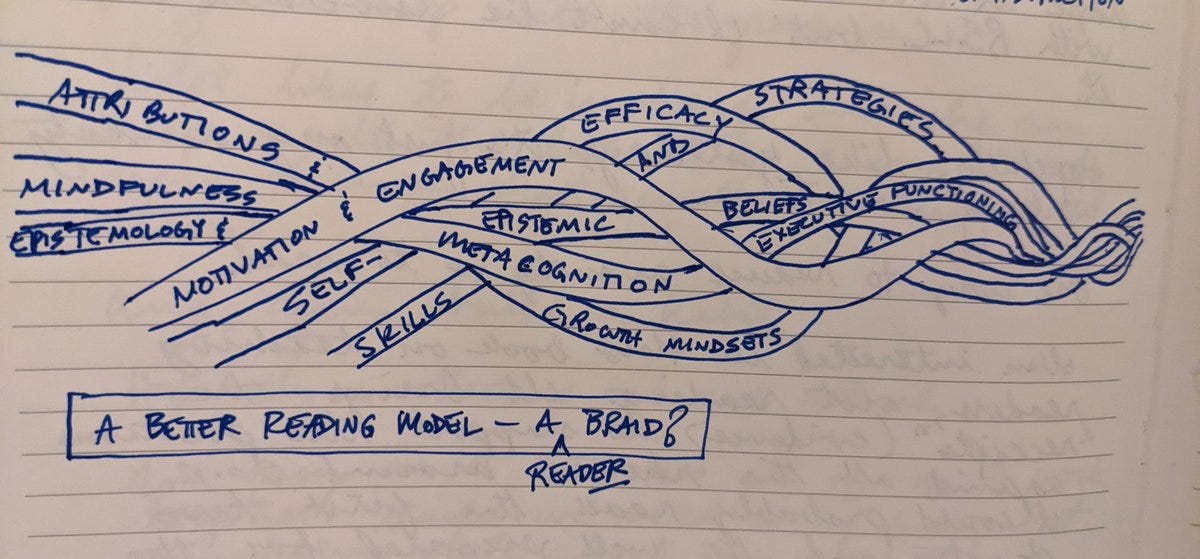
In this special episode/post, I was joined by Sandy Brumbaum, Reading Recovery teacher leader and consultant, and Denise Johnson, a literacy professor at William & Mary, to kick off the book study for Teaching Readers (Not Reading): Moving Beyond Skills and Strategies to Reader-Focused Instruction by Peter Afflerbach (Guilford, 2022).In our conversation, we responded to and discussed three questions:* What are your greatest concerns about current trends and programs with teaching readers and literacy instruction in general?* Consider examples of effective reading instruction you've observed or participated in. What are the essential components of such instruction?* We agree with Afflerbach that schools need to teach readers more than skills and strategies. But what about reading?A key takeaway from our conversation is, just as we cannot separate the reader from reading instruction, one science of reading is dependent on its integration with another. Ryanne Deschane, also a teacher of readers and was not able to join us virtually, shared the following written response:Key components of effective literacy instruction include knowledgeable teachers who have a multitude of literacy resources, instructional strategies, and tools in their professional toolkit. These teachers can sit with a child, listen and engage immediately in responsive practices that address the specific learning needs of each child in their care. They honor each child in their unique learning needs and seek out resources and tools to support those needs. “In the most successful classrooms, teachers have long understood that effective reading instruction must be partnered with student awareness, enthusiasm, and a belief in self.”- Peter AfflerbachFrom November 7 through December 16, I will be responding to Teaching Readers (Not Reading) by Peter Afflerbach (Guilford, 2022) and inviting readers to join me.In this book study, you will develop a deeper understanding of the science(s) of reading and build greater confidence in conversing about literacy instruction with teachers and other colleagues.To participate:* Purchase the book on the publisher's website, Amazon, or wherever it is sold.* Subscribe to this space (if you haven’t already) for future responses to the book.* Become a regular and active reader, such as posting your thinking around the text or linking to a response you wrote elsewhere in the comments.Here is the suggested schedule for (re)reading together:* November 7 - 11: Introduction, Chapters 1-3* November 14 - 18: Chapters 4-5* November 21 - 25: Chapter 6* November 28 - December 2: Chapters 7-8* December 5 - 9: Chapters 9-10* December 12 - 16: Chapter 11, Conclusion This is a public episode. If you'd like to discuss this with other subscribers or get access to bonus episodes, visit readbyexample.substack.com/subscribe
Embed this episode
NOW PLAYING
One Science is Dependent on Another
No transcript for this episode yet
Similar Episodes
No similar episodes found.
Similar Podcasts
No similar podcasts found.