
EPISODE · Jan 5, 2023 · 25 MIN
Opener of the Womb
from The Bible as Literature · host The Ephesus School
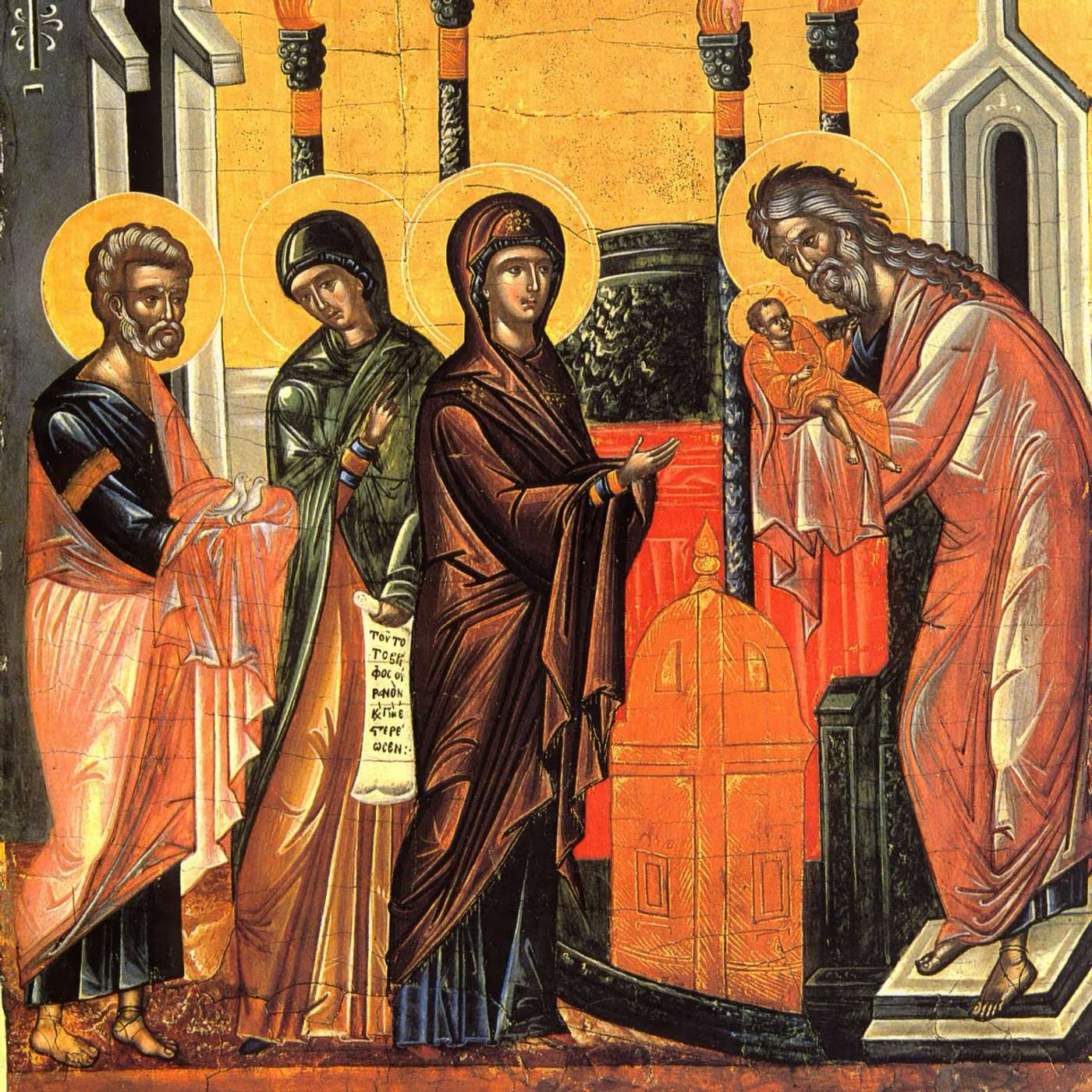
Lies are comfortable. We lie to soothe feelings. To make agendas appealing, to sell things. We find lies so attractive that we bend our terminology to accommodate them. Instead of analyzing information, we discuss “narratives.” Instead of taking responsibility for our actions and their outcomes, we rush to share our stories and our vision. “The visionary,” Friedrich Nietzsche wrote, “lies to himself, the liar only to others.” How is it then that we, a society made-up of personal narratives and visionary thinkers, are surprised when the newest politician lies about almost everything? The crisis is not moral. It begins with a false premise accepted long ago that a person can extract meaning from a text. We adopt the fantasy that we understand a text or any complex data set without knowing the actual content of the text. What we then call meaning is almost always the lie we tell ourselves to fill in the blank spaces left over by the work we’ve not done--this is the actual definition of the infamous personal narrative. To understand Luke’s meaning, we must force ourselves to strip away the lies of translation, cultural bias, and centuries of third-party narratives and visions imposed on the biblical text to finally hear the meaning grammatically embedded in the connective tissue of Luke itself. So much ado about the word firstborn in the many theologies of English speakers, and it doesn’t even appear in Luke 2:23. Richard and Fr. Marc discuss Luke 2:22-24. (Episode 463) The following music was used for this media project:Music: Inspiring Teaser by Rafael KruxFree download: https://filmmusic.io/song/5672-inspiring-teaserLicense (CC BY 4.0): https://filmmusic.io/standard-license ★ Support this podcast on Patreon ★
What this episode covers
Lies are comfortable. We lie to soothe feelings. To make agendas appealing, to sell things. We find lies so attractive that we bend our terminology to accommodate them. Instead of analyzing information, we discuss “narratives.” Instead of taking responsibility for our actions and their outcomes, we rush to share our stories and our vision. “The visionary,” Friedrich Nietzsche wrote, “lies to himself, the liar only to others.” How is it then that we, a society made-up of personal narratives and visionary thinkers, are surprised when the newest politician lies about almost everything? The crisis is not moral. It begins with a false premise accepted long ago that a person can extract meaning from a text. We adopt the fantasy that we understand a text or any complex data set without knowing the actual content of the text. What we then call meaning is almost always the lie we tell ourselves to fill in the blank spaces left over by the work we’ve not done--this is the actual definition of the infamous personal narrative. To understand Luke’s meaning, we must force ourselves to strip away the lies of translation, cultural bias, and centuries of third-party narratives and visions imposed on the biblical text to finally hear the meaning grammatically embedded in the connective tissue of Luke itself. So much ado about the word firstborn in the many theologies of English speakers, and it doesn’t even appear in Luke 2:23. Richard and Fr. Marc discuss Luke 2:22-24. (Episode 463) The following music was used for this media project: Music: Inspiring Teaser by Rafael Krux Free download: https://filmmusic.io/song/5672-inspiring-teaser License (CC BY 4.0): https://filmmusic.io/standard-license
NOW PLAYING
Opener of the Womb
No transcript for this episode yet
Similar Episodes
Mar 26, 2026 ·1m
Mar 19, 2026 ·34m
Feb 18, 2026 ·11m
Feb 11, 2026 ·45m