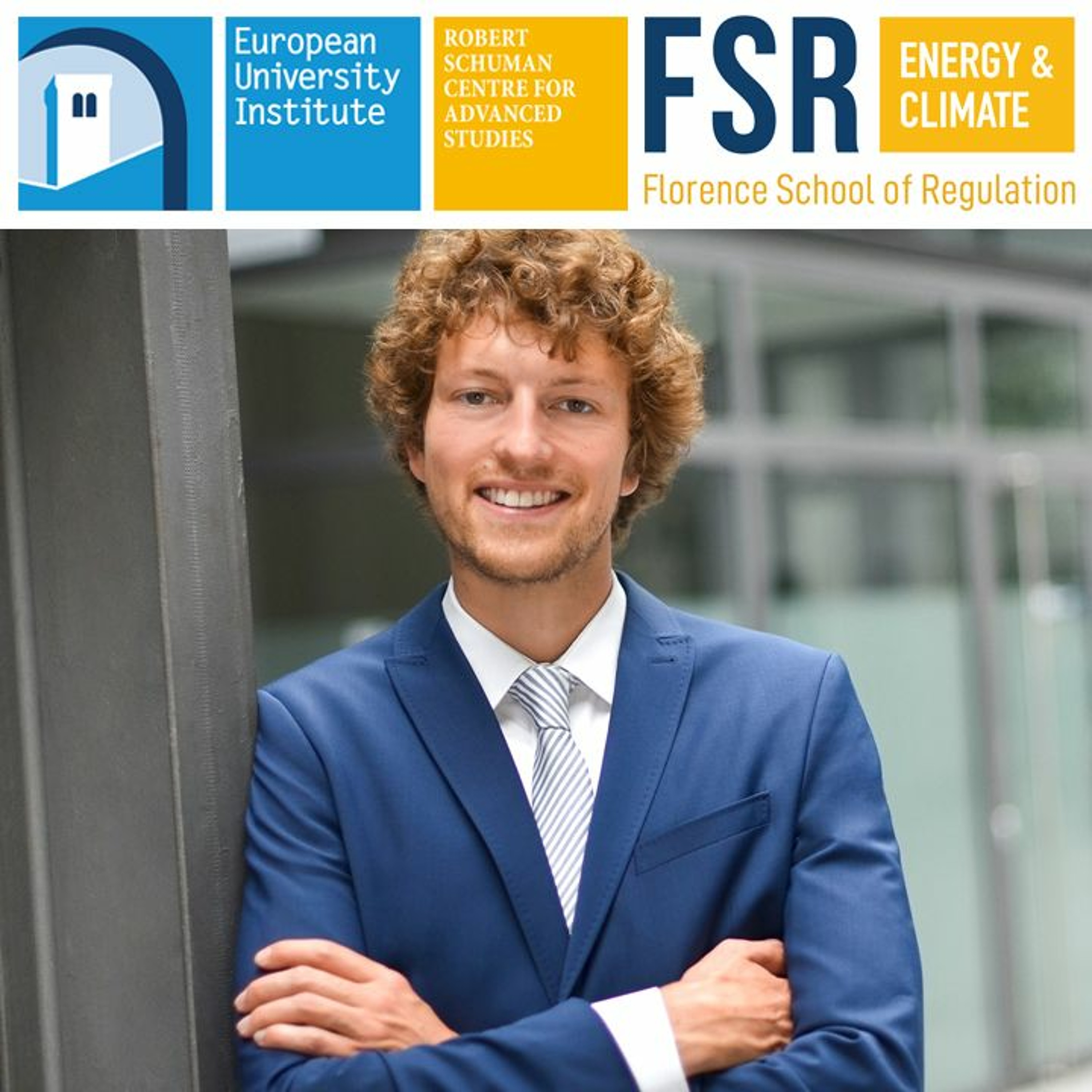
Opening the market for ancillary services: The case of UVAM | Jan Marc Schwidtal (Padua University) episode artwork

EPISODE · Dec 11, 2019 · 9 MIN

Opening the market for ancillary services: The case of UVAM | Jan Marc Schwidtal (Padua University)

from FSR · host Florence School of Regulation

The evolution of the structure of electricity systems and the new possibilities offered by digital technologies are leading to an evolution of electricity market designs around the world. In Italy, the need for new providers of flexibility and the increasing amount of distributed energy resources (DER) have prompted a reform of the market for ancillary services and its opening to virtually aggregated units of generation and consumption. In this podcast, Nicolò Rossetto (FSR) and Jan Marc Schwidtal (Università di Padova) address the results of the recent auctions that took place in Italy and that awarded the right to mixed virtually aggregated units (UVAM) to offer their capacity into the Italian market for ancillary services. Jan Marc highlights the positive result of the auction, with around one GW of capacity awarded to 26 companies. However, he also notices that for the time being, most of the UVAM are made of a relatively few large-scale distributed generation units and industrial loads. Retail-size units like households or small commercial customers are still not involved, probably due to the relatively high cost of installing the required ICT infrastructure that is not justified by the prices at which flexibility is remunerated. This podcast was recorded on 26th November 2019 in Florence at the 2nd Energy Innovation Bootcamp, organised by Energy Innovation Area of the Florence School of Regulation (FSR), in association with the Young Scholars Initiative (YSI).

The evolution of the structure of electricity systems and the new possibilities offered by digital technologies are leading to an evolution of electricity market designs around the world. In Italy, the need for new providers of flexibility and the increasing amount of distributed energy resources (DER) have prompted a reform of the market for ancillary services and its opening to virtually aggregated units of generation and consumption. In this podcast, Nicolò Rossetto (FSR) and Jan Marc Schwidtal (Università di Padova) address the results of the recent auctions that took place in Italy and that awarded the right to mixed virtually aggregated units (UVAM) to offer their capacity into the Italian market for ancillary services. Jan Marc highlights the positive result of the auction, with around one GW of capacity awarded to 26 companies. However, he also notices that for the time being, most of the UVAM are made of a relatively few large-scale distributed generation units and industrial loads. Retail-size units like households or small commercial customers are still not involved, probably due to the relatively high cost of installing the required ICT infrastructure that is not justified by the prices at which flexibility is remunerated. This podcast was recorded on 26th November 2019 in Florence at the 2nd Energy Innovation Bootcamp, organised by Energy Innovation Area of the Florence School of Regulation (FSR), in association with the Young Scholars Initiative (YSI).

NOW PLAYING

Opening the market for ancillary services: The case of UVAM | Jan Marc Schwidtal (Padua University)

0:00 9:31

No transcript for this episode yet

We transcribe on demand. Request one and we'll notify you when it's ready — usually under 10 minutes.

No similar episodes found.

No similar podcasts found.

Frequently Asked Questions

How long is this episode of FSR?

This episode is 9 minutes long.

When was this FSR episode published?

This episode was published on December 11, 2019.

What is this episode about?

The evolution of the structure of electricity systems and the new possibilities offered by digital technologies are leading to an evolution of electricity market designs around the world. In Italy, the need for new providers of flexibility and the...

Can I download this FSR episode?

Yes, you can download this episode by clicking the download button on the episode player, or subscribe to the podcast in your preferred podcast app for automatic downloads.
URL copied to clipboard!