
EPISODE · Nov 19, 2025 · 39 MIN
Operons: Fine Control of Bacterial Transcription (CMB part 5 )
from Cellular and Molecular Biology for Research · host Ahmadreza Gharaeian
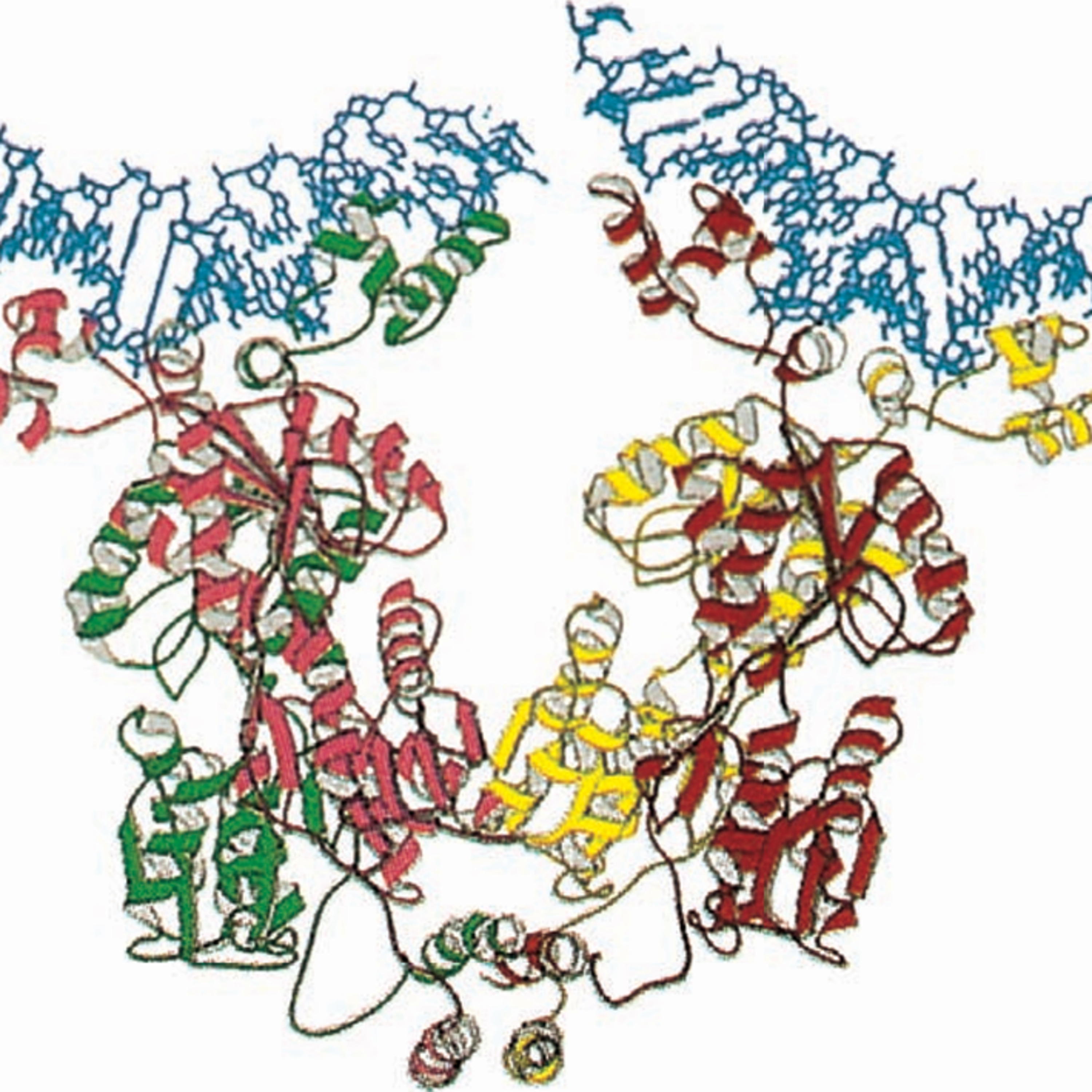
Lactose metabolism in E. coli is facilitated by two essential proteins, β-galactosidase and galactoside permease. The genes encoding these proteins, along with another enzyme, are organized into a cluster and transcribed together from a single promoter, producing a polycistronic mRNA. These functionally related genes are therefore regulated collectively. The lac operon is controlled through both positive and negative regulatory mechanisms. Negative regulation occurs as follows: the operon remains inactive when the repressor binds to the operator, blocking RNA polymerase from attaching to the promoter and transcribing the three lac genes. When glucose is depleted and lactose becomes available, the few existing molecules of lac operon enzymes convert lactose into allolactose, which functions as an inducer. Allolactose binds to the repressor, inducing a conformational change that prompts its dissociation from the operator. Once the repressor is removed, RNA polymerase can proceed to transcribe the three lac genes. Genetic and biochemical studies have identified the two primary components of negative control in the lac operon: the operator and the repressor. Additionally, DNA sequencing has revealed two auxiliary lac operators, one upstream and one downstream of the main operator, all three of which are necessary for optimal repression.Positive regulation of the lac operon, as well as other inducible operons encoding sugar-metabolizing enzymes, is mediated by the catabolite activator protein (CAP) in conjunction with cyclic AMP (cAMP). The CAP-cAMP complex enhances transcription. However, glucose suppresses cAMP levels, thereby inhibiting positive regulation. As a result, the lac operon becomes active only when glucose levels are low, necessitating the metabolism of an alternative energy source. The CAP-cAMP complex facilitates this activation.
Embed this episode
Ready to play
Operons: Fine Control of Bacterial Transcription (CMB part 5 )
No transcript for this episode yet
Similar Episodes
No similar episodes found.
Similar Podcasts
No similar podcasts found.