
EPISODE · Dec 31, 2025 · 1H 36M
Organoids and Lab-Grown Models in Lysosomal Disorders
from Rare Disease Discussions · host Peter Ciszewski, CheckRare
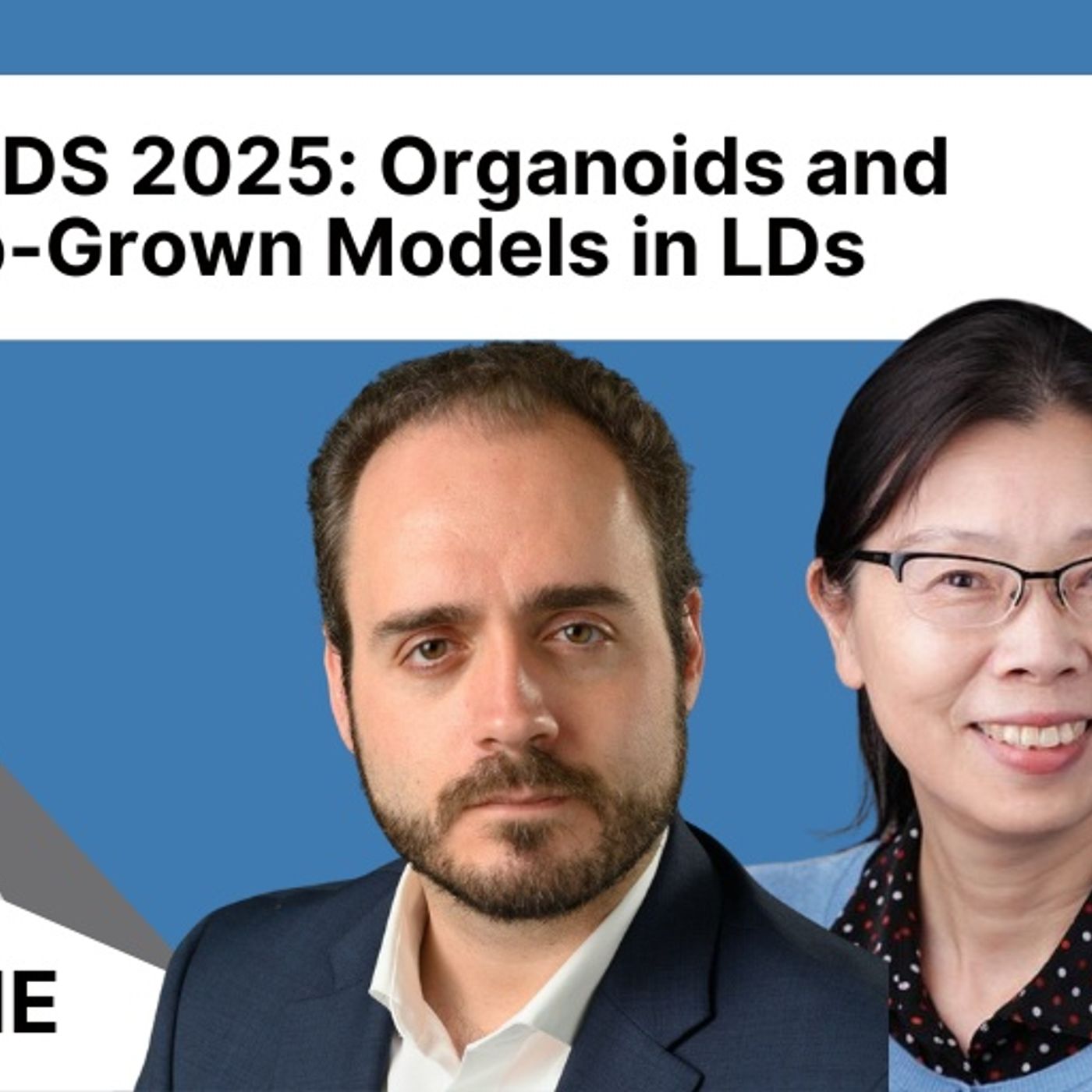
Mia Horowitz, PhD, Tel Aviv University; Aitor Aguirre, PhD, Michigan State University, Michigan, USA; and Ying Sun, PhD, University of Cincinnati, discuss the use of organoid models in lysosomal disorder research and drug development.This continuing education activity is provided through collaboration between the Lysosomal and Rare Disorders Research and Treatment Center (LDRTC), CheckRare CE, and AffinityCE. This activity provides continuing education credit for physicians, physician assistants, nurses, nurse practitioners, and genetic counselors. A statement of participation is available to other attendees.To obtain CME/CE credit, visit https://checkrare.com/learning/p-grids2025-session3-organoids-and-lab-grown-models-in-lysosomal-disorders/Learning ObjectivesDescribe the use of heart organoid models to better understand the pathophysiology of lysosomal disorders and its clinical relevanceDescribe the use and application of brain organoid models in neuropathic Gaucher disease research and treatmentFacultyMia Horowitz, PhD, Shmunis School of Biomedicine and Cancer Research, George S. Wise Faculty of Life Sciences, Tel Aviv University.Aitor Aguirre, PhD, Associate Professor of Biomedical Engineering, Institute for Quantitative Health Science and Engineering, Chief, Division of Developmental and Stem Cell Biology (IQ), Director, MSU Stem Cell Core, Michigan State University.Ying Sun, PhD, Professor, Cincinnati Children’s Hospital Medical Center, University of Cincinnati.DisclosuresAffinityCE staff, LDRTC staff, planners, and reviewers, have no relevant financial relationships with ineligible companies to disclose. Faculty disclosures, listed below, will also be disclosed at the beginning of the Program.Mia Horowitz, PhDDr. Horowitz has no relevant financial relationships to disclose.Aitor Aguirre, PhDDr. Aguirre has no relevant financial relationships to disclose.Ying Sun, PhDDr. Sun receives research support from Enkefalos Biosciences and Yuhan Corporation.Mitigation of Relevant Financial RelationshipsAffinityCE adheres to the ACCME’s Standards for Integrity and Independence in Accredited Continuing Education. Any individuals in a position to control the content of a CME activity, including faculty, planners, reviewers, or others, are required to disclose all relevant financial relationships with ineligible entities (commercial interests). All relevant conflicts of interest have been mitigated prior to the commencement of the activity. Conflicts of interest for presenting faculty with relevant financial interests were resolved through peer review of content by a non-conflicted reviewer.Accreditation and Credit DesignationPhysiciansThis activity has been planned and implemented in accordance with the accreditation requirements and policies of the Accreditation Council for Continuing Medical Education (ACCME) through the joint providership of AffinityCE and the LDRTC. AffinityCE is accredited by the ACCME to provide continuing medical education for physicians.AffinityCE designates this enduring activity for a maximum of 1 AMA PRA Category 1 Credits™. Physicians should claim only the credit commensurate with the extent of their participation in the activity.Physician AssistantsAffinityCE designates this enduring activity for a maximum of 1 AMA PRA Category 1 Credits™. Physician Assistants should claim only the credit commensurate with the extent of their participation in the activity.NursesAffinityCE is accredited as a provider of nursing continuing professional development by the American Nurses Credentialing Center’s Commission on Accreditation (ANCC). This activity provides a maximum of 1 hours of continuing nursing education credit.Nurse PractitionersAffinityCE designates this enduring activity for a maximum of 1 AMA PRA Category 1 Credits™. Nurse practitioners should claim only the credit commensurate with the extent of their participation in the activity.Genetic CounselorsAffinityCE designates this enduring activity for a maximum of 1 AMA PRA Category 1 Credits™. Genetic Counselors should claim only the credit commensurate with the extent of their participation in the activity.Other ProfessionalsAll other health care professionals completing this continuing education activity will be issued a statement of participation indicating the number of hours of continuing education credit. This may be used for professional education CE credit. Please consult your accrediting organization or licensing board for their acceptance of this CE activity. Participation CostsThere is no cost to participate in this activity.CME InquiriesFor all CME policy-related inquiries, please contact us at [email protected] customer support requests to cds_support+[email protected]
Embed this episode
NOW PLAYING
Organoids and Lab-Grown Models in Lysosomal Disorders
No transcript for this episode yet
Similar Episodes
No similar episodes found.