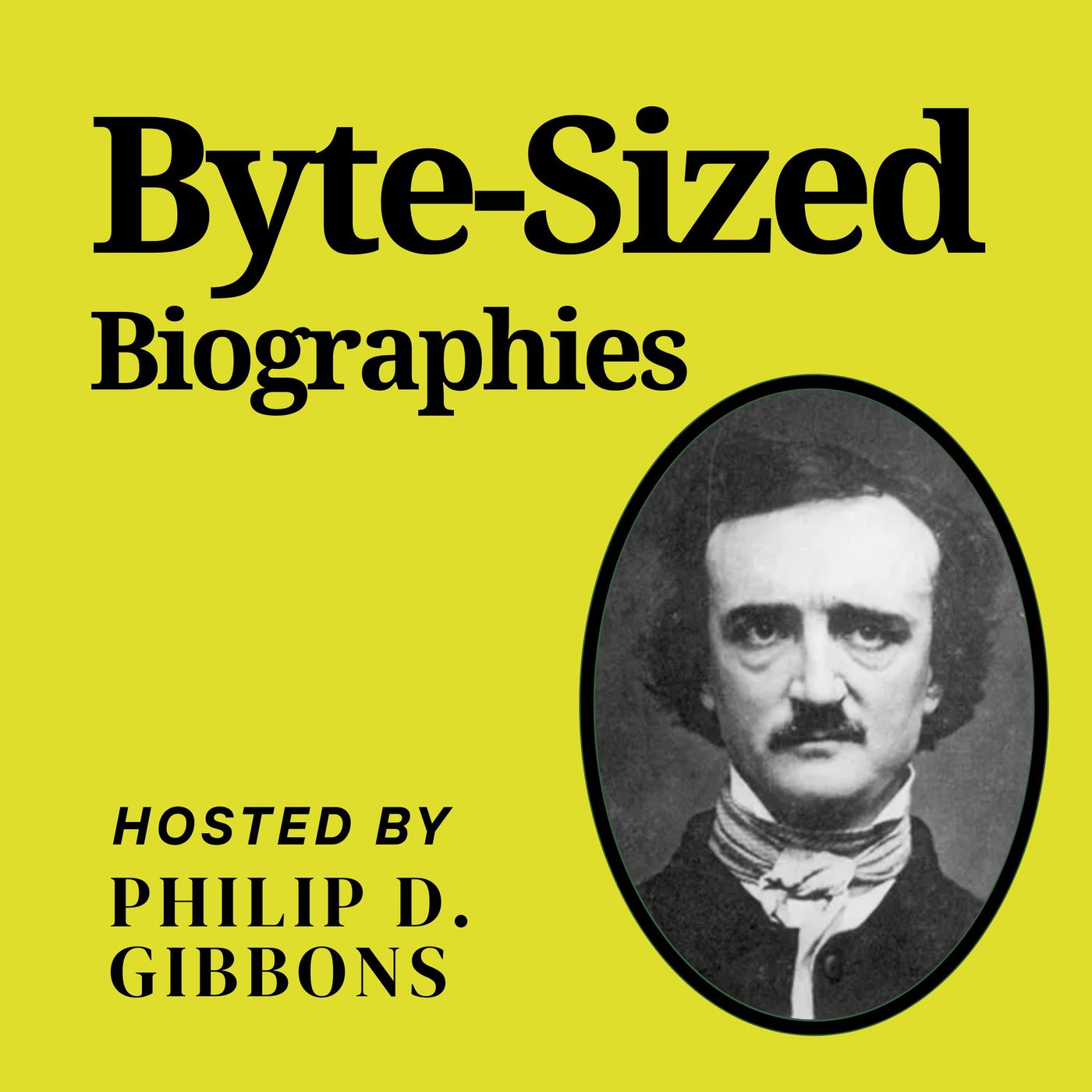
Oscar Wilde, From Literary Genius to Social Outcast (Part Two) episode artwork

EPISODE · Nov 22, 2022 · 45 MIN

Oscar Wilde, From Literary Genius to Social Outcast (Part Two)

from Byte Sized Biographies… · host Philip D. Gibbons

In March of 1895, Oscar Wilde enjoyed fame and fortune as one of Britain's foremost literary figures.  Only four months later he was inprisoned for the crime of "gross indecency," convicted of violating Britain's laws against same sex relationships.  Upon his release, he exiled himself to France, his career in ruins and never saw his family again. Wilde and Douglas in Naples, 1897 Unfortunately, their reunion was so successful that both men began contemplating running off to Naples, the consequences be damned.  Robert Ross and various other associates and friends of Wilde soon heard about this development and were all uniformly dismayed.  Wilde was literally living off his wife’s allowance, funds that would be jeopardized if the news of his rekindled relationship with Bosie became known to her and especially her attorneys.  Even so, he needed to borrow money just to get to Naples by train, leaving this important fact out of any discussions he had about his reasons for heading to Italy. Robert Ross Robert Ross’ belief that Wilde’s literary reputation would eventually be reconstituted occurred faster than even he anticipated.  By the beginning of the 20th century, various critical analyses and biographies and accounts of Wilde’s life appeared to great interest.  His plays never really disappeared for any length of time, their popularity in British regional theater continued and all of Wilde’s theatrical works returned to popularity internationally as the century progressed.  By 1908, Ross had successfully repurchased all of Wilde’s copyrights that were sold off during Oscar’s bankruptcy proceedings.  These rights were then returned to Wilde’s sons. The Ninth Marquess of Queensbery, John Sholto Douglas John Sholto Douglas, the ninth Marquess of Queensberry.  Aggressively masculine and a sportsman, as opposed to his sons, the elder Douglas, is credited with creating what are known as boxing’s “Queensberry Rules,” the ten basic rules that govern boxing even today.  Despite great wealth, Douglas was extremely hostile, and possibly mentally ill. Constance Wilde Holland's grave. The Wilde connection was added much later by her relatives Although his wife also restored a modest allowance of ten pounds a month upon hearing of his break with Douglas, Wilde received the news that she died on April 7, 1898 after a botched operation to relieve her paralysis.  She was buried in Genoa, her gravestone using her newly assumed name of Holland with no mention of Oscar Wilde. Wilde deathbed photo. Note wallpaper. Finding Wilde borderline delirious and hearing that he had no more than days to live, Ross then went to the nearest Catholic church and brought back an Irish priest who quickly went through the official ceremony of converting Wilde to Catholicism.  Ross also sent cables to Frank Harris and Alfred Douglas, warning them of Wilde’s current state.  By the morning of November of November 30, Wilde had lost consciousness and was completely unresponsive.  He died that afternoon. Wilde's tomb, Pere Lachaise Ross also transferred Wilde’s remains from Bagneaux to the more prestigious Parisian cemetery at Pere Lachaise, already the resting place of Chopin, Balzac, Moliere and eventually Sarah Bernhardt, Edith Piaf and Jim Morrison. Ross also collected funds for a magnificent sculpted abstract sphinxlike creature, requesting that the artist Jacob Epstein include a compartment for the internment of Ross’ own ashes, a request that was not fulfilled until 1950, 32 years after Ross’ death at age 49 of a heart attack.  Epstein’s monument is perhaps too magnificent, it was repeatedly vandalized by lipstick kisses until cemetery authorities cleaned it and installed plexiglass to prevent such future vandalism.

In March of 1895, Oscar Wilde enjoyed fame and fortune as one of Britain's foremost literary figures.  Only four months later he was inprisoned for the crime of "gross indecency," convicted of violating Britain's laws against same sex relationships.  Upon his release, he exiled himself to France, his career in ruins and never saw his family again. Wilde and Douglas in Naples, 1897 Unfortunately, their reunion was so successful that both men began contemplating running off to Naples, the consequences be damned.  Robert Ross and various other associates and friends of Wilde soon heard about this development and were all uniformly dismayed.  Wilde was literally living off his wife’s allowance, funds that would be jeopardized if the news of his rekindled relationship with Bosie became known to her and especially her attorneys.  Even so, he needed to borrow money just to get to Naples by train, leaving this important fact out of any discussions he had about his reasons for heading to Italy. Robert Ross Robert Ross’ belief that Wilde’s literary reputation would eventually be reconstituted occurred faster than even he anticipated.  By the beginning of the 20th century, various critical analyses and biographies and accounts of Wilde’s life appeared to great interest.  His plays never really disappeared for any length of time, their popularity in British regional theater continued and all of Wilde’s theatrical works returned to popularity internationally as the century progressed.  By 1908, Ross had successfully repurchased all of Wilde’s copyrights that were sold off during Oscar’s bankruptcy proceedings.  These rights were then returned to Wilde’s sons. The Ninth Marquess of Queensbery, John Sholto Douglas John Sholto Douglas, the ninth Marquess of Queensberry.  Aggressively masculine and a sportsman, as opposed to his sons, the elder Douglas, is credited with creating what are known as boxing’s “Queensberry Rules,” the ten basic rules that govern boxing even today.  Despite great wealth, Douglas was extremely hostile, and possibly mentally ill. Constance Wilde Holland's grave. The Wilde connection was added much later by her relatives Although his wife also restored a modest allowance of ten pounds a month upon hearing of his break with Douglas, Wilde received the news that she died on April 7, 1898 after a botched operation to relieve her paralysis.  She was buried in Genoa, her gravestone using her newly assumed name of Holland with no mention of Oscar Wilde. Wilde deathbed photo. Note wallpaper. Finding Wilde borderline delirious and hearing that he had no more than days to live, Ross then went to the nearest Catholic church and brought back an Irish priest who quickly went through the official ceremony of converting Wilde to Catholicism.  Ross also sent cables to Frank Harris and Alfred Douglas, warning them of Wilde’s current state.  By the morning of November of November 30, Wilde had lost consciousness and was completely unresponsive.  He died that afternoon. Wilde's tomb, Pere Lachaise Ross also transferred Wilde’s remains from Bagneaux to the more prestigious Parisian...

NOW PLAYING

Oscar Wilde, From Literary Genius to Social Outcast (Part Two)

0:00 45:17

No transcript for this episode yet

We transcribe on demand. Request one and we'll notify you when it's ready — usually under 10 minutes.

Chewing the Fat with WorkForge WorkForge Bite-Sized Conversations for Building a Stronger Workforce Welcome to Chewing the Fat, a podcast delving deep into the world of food manufacturing. Dive into real conversations around critical topics like staffing, retention, onboarding, and career development in this essential industry. Subscribe now to gain insights from your peers, subject matter experts and more on the biggest issues facing food manufacturers today: -Hiring and retaining employees -Addressing the challenges of the Silver Tsunami -Improving time to productivity of new employees -Engaging employees from hire to retire And more... Tune in to Chewing the Fat, a WorkForge podcast, and join the conversation on how to build and sustain a resilient, high-performing workforce in food manufacturing. The Course Mentors Podcast The Course Mentors Hey there, future course creator!Ever feel like turning your know-how into an online course is like trying to solve a Rubik's cube blindfolded? Well, grab your headphones because "The Course Mentors Podcast" is here to be your secret weapon!Meet Aimee and Odette (that's us!), your new best friends in the course creation world. We've been in the trenches for over a decade, and for the last five years, we've been rocking the online course space. Now we're here to spill all our secrets in bite-sized, 15-20 minute episodes that'll fit perfectly in your coffee breaks.No fluff, no filler - just real, actionable advice that'll take you from "um, what's a landing page?" to "holy moly, I just hit six figures!". We're talking everything from crafting your course to marketing it like a pro and building a business that'll have you pinching yourself.Whether you're dreaming of ditching the 9-to-5 grind, adding a sweet extra income str Ragged Scratch Podcast Ragged Foils The Ragged Scratch Podcast is a new writing night… in podcast form! Each season we bring you 12 bite-sized audio dramas over 6 episodes, plus interviews with the creatives involved. Like a chocolate box of audio goodies, we cover a range of genres and styles, so there’s bound to be something each season that you’ll love! Listen on Apple Podcasts, Spotify, Stitcher or wherever you find your podcasts, and follow us across social media @raggedfoils to find out where, when and how to get involved. Relaxing Free Sounds Instant Media Access Welcome to RELAXING FREE SOUNDS — your pocket-sized escape into pure atmosphere. This podcast is built for the moments when you need to soften the noise of the day and replace it with something calmer, steadier, and more natural. Whether you’re winding down after work, focusing on a task, trying to drift into sleep, or simply craving a sense of space, you’ll find immersive soundscapes designed to help you breathe a little deeper and feel a little lighter. Each episode is a carefully curated ambience session, created to feel like you’ve stepped into a different place. Expect soothing nature soundscapes like rainfall on leaves, distant thunder rolling across the horizon, gentle ocean waves, forest wind moving through pines, mountain streams, crackling campfires, and night insects humming under a wide sky. You’ll also hear city and indoor ambience for those who love the comfort of lived-in spaces: cozy café chatter, soft library hush, subtle office room tone, a quiet apartment at night, a

Frequently Asked Questions

How long is this episode of Byte Sized Biographies…?

This episode is 45 minutes long.

When was this Byte Sized Biographies… episode published?

This episode was published on November 22, 2022.

What is this episode about?

In March of 1895, Oscar Wilde enjoyed fame and fortune as one of Britain's foremost literary figures.  Only four months later he was inprisoned for the crime of "gross indecency," convicted of violating Britain's laws against same sex relationships....

Can I download this Byte Sized Biographies… episode?

Yes, you can download this episode by clicking the download button on the episode player, or subscribe to the podcast in your preferred podcast app for automatic downloads.
URL copied to clipboard!