
EPISODE · May 14, 2026
Parashat BaMidbar- The Book of Transition
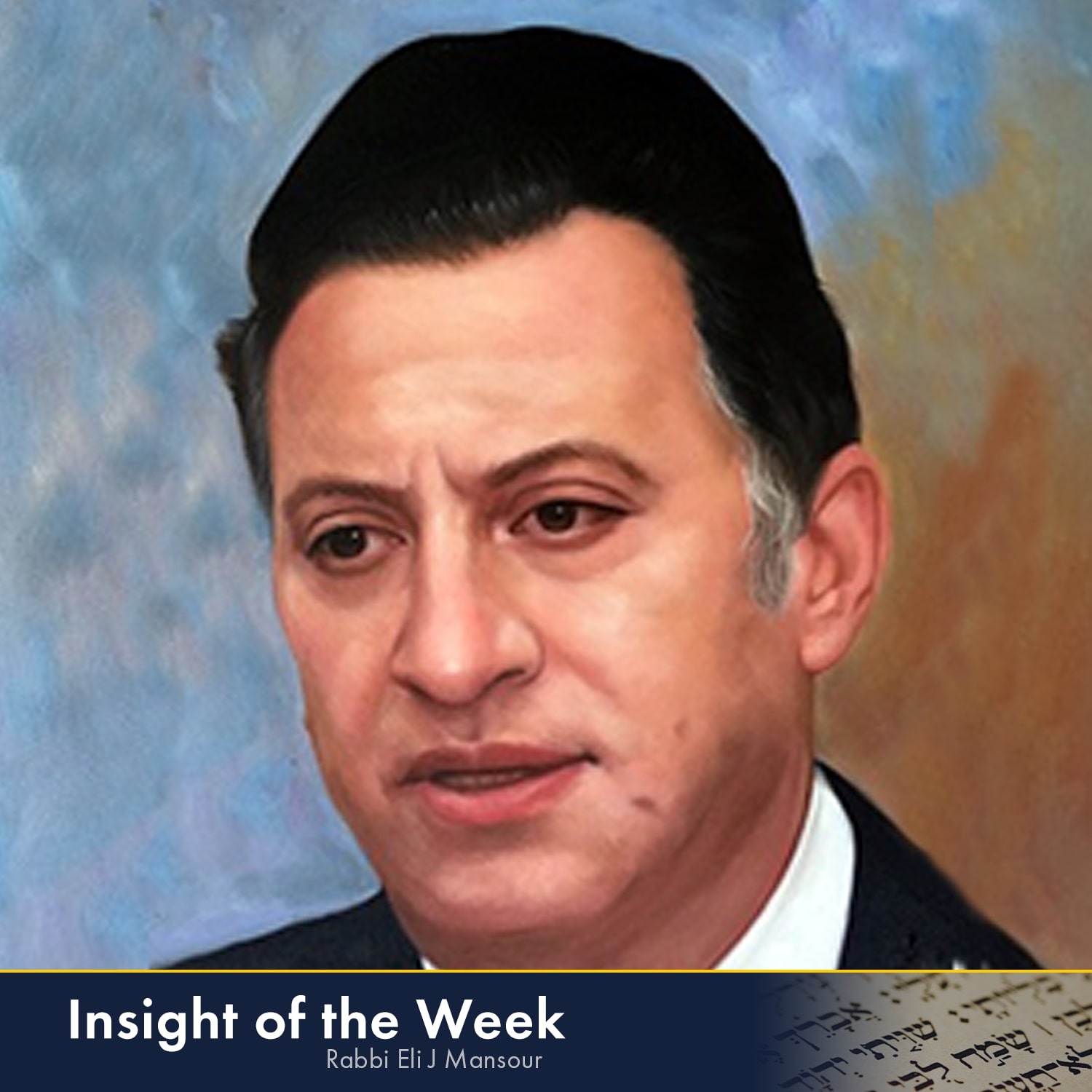
from Parasha Insight · host Rabbi Eli Mansour
The Midrash teaches that the five Humashim – the books that comprise the Torah – are alluded to in the opening verses of the Torah, which tell of the creation of light on the first day of the world's creation. The word "Or" (light) appears five times in these verses, and they parallel the five Humashim. It follows, then, that the fourth Humash – the Book of Bamidbar, which we begin reading this Shabbat – corresponds to the fourth instance of the word "Or" in these verses: "Va'yabdel Elokim Beh Ha'or U'ben Ha'hoshech" – "G-d separated between light and the darkness" (1:4). What might be the connection between the Book of Bamidbar and the "separation" between light and darkness? The Netziv (Rav Naftali Zvi Yehuda Berlin of Volozhin, 1816-1893) offers a fascinating answer, by explaining the primary theme of Sefer Bamidbar. This book, he writes, traces Beneh Yisrael's transition from a miraculous existence to a natural existence. The book begins at Mount Sinai, in the desert, where Beneh Yisrael relied on G-d's miracles in order to survive. They received the manna from the heavens, and water from a supernatural well that accompanied them as they traveled. The Ananeh Ha'kabod ("clouds of glory") protected them from the elements and from enemy attack. Beneh Yisrael journeyed for forty years in a region that was ordinarily uninhabitable, under Hashem's miraculous care and protection. At the end of Sefer Bamidbar, Beneh Yisrael find themselves on the border of the Land of Israel, nearly ready to cross into the land. There they would live a natural existence – fighting wars against enemies, growing crops, building cities, and developing an economy. Of course, this natural existence would require G-d's intervention; even when leading a natural lifestyle, nothing can succeed without Hashem's help. But once they crossed into the land, Beneh Yisrael were no longer cared for miraculously; they lived in accordance with the laws of nature. This is why at the end of the Book of Bamidbar, Beneh Yisrael take up arms and fight wars. They begin preparations for the battles to conquer the land, and for the division of the land. After living a miraculous existence for forty years, they now needed to transition to a natural mode of existence. The Netziv explains that this is why Sefer Bamidbar is associated with the "separation" between light and darkness. Light symbolizes G-d's open miracles, which make His control of the world unmistakably clear and evident. By contrast, darkness symbolizes the veil of the natural world, which conceals the Hand of Providence. When nature follows its course, we do not see Hashem, though we must firmly believe that He controls all events, random and natural as they might outwardly seem. Just as darkness makes it difficult to see that which we know exists, nature makes it difficult to see Hashem's control and governance, but we know that He is behind everything and orchestrating everything that happens. Hence, Sefer Bamidbar is associated with the distinction between light and darkness – because it signifies Beneh Yisrael's transition from a supernatural existence to a natural one. The Netziv explains on this basis why the Sages calls Sefer Bamidbar "Humash Ha'pekduim" – the "Book of Countings," which later evolved into the name, "Numbers." This name refers to two censuses of Beneh Yisrael that were taken in Sefer Bamidbar. We might wonder, why are these events viewed as the primary theme and essence of this book? So much happens in the Book of Bamidbar – why would the Sages focus on the two occasions when the people were counted when choosing a name for this book? The answer, the Netziv writes, is that the two censuses signify the transition that Beneh Yisrael underwent over the course of this Sefer. The first census was conducted for the purpose of arranging Beneh Yisrael's camp around the Mishkan in the desert, whereas the second was conducted to prepare for the apportioning of the territory of Eretz Yisrael among the tribes. The difference between these two censuses reflects the difference between the "light" and the "darkness," between the miraculous existence in the desert, and the natural existence in Eretz Yisrael. Therefore, this Sefer is indeed "Humash Ha'pekudim," a book of "countings," because the two countings demonstrate the transition that constitutes the essence of this book, the transition from the miracles of the desert to life in Eretz Yisrael, where G-d cares for and protects us not overly, but behind the veil of the laws of nature.
Embed this episode
NOW PLAYING
Parashat BaMidbar- The Book of Transition
No transcript for this episode yet
Similar Episodes
No similar episodes found.
Similar Podcasts
No similar podcasts found.