Parsha Talk Emor 2023 5783 episode artwork

EPISODE · May 5, 2023 · 42 MIN

Parsha Talk Emor 2023 5783

from Kol Ramah · host Camp Ramah in the Berkshires

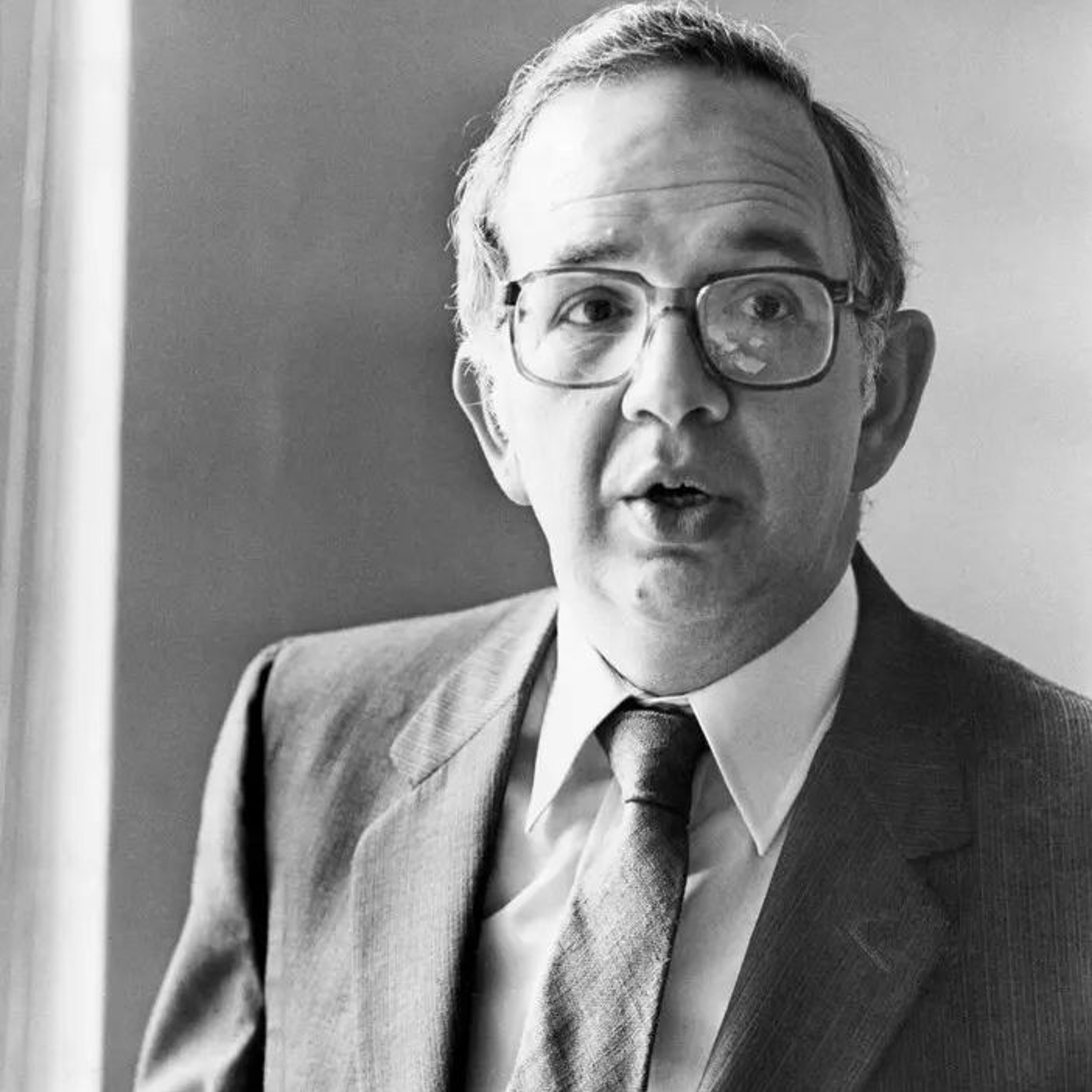
Parsha Talk: with Rabbis Eliot Malomet, Barry Chesler and Jeremy Kalmanofsky. Parashat Emor [Leviticus 21-24] further develops the theme of holiness which is at the core of the Holiness Code [Leviticus 17-26]. The parashah begins with restrictions on kohanim [priests], on whom they marry, whom they mourn, what physical characteristics prevent them from serving. Chapter 23 is the Book of Leviticus’ sacred calendar, which is always worth studying, especially in comparison with the calendars in Exodus [23:14-19 & 34:18-26], Numbers [28-29], and Deuteronomy [16:1-17]. The parashah concludes with chapter 24, a miscellany of laws, including the incident of the blasphemer and the determination of what to do with him, and one of the three appearances in the Torah of the lex talion [law of revenge, better known perhaps as “eye for an eye”]. We opened the show with a tribute to Rabbi Harold Kushner, who went to his eternal home last week. We welcome comments below or at [email protected]. Shabbat Shalom!

Parsha Talk: with Rabbis Eliot Malomet, Barry Chesler and Jeremy Kalmanofsky. Parashat Emor [Leviticus 21-24] further develops the theme of holiness which is at the core of the Holiness Code [Leviticus 17-26]. The parashah begins with restrictions on kohanim [priests], on whom they marry, whom they mourn, what physical characteristics prevent them from serving. Chapter 23 is the Book of Leviticus’ sacred calendar, which is always worth studying, especially in comparison with the calendars in Exodus [23:14-19 & 34:18-26], Numbers [28-29], and Deuteronomy [16:1-17]. The parashah concludes with chapter 24, a miscellany of laws, including the incident of the blasphemer and the determination of what to do with him, and one of the three appearances in the Torah of the lex talion [law of revenge, better known perhaps as “eye for an eye”]. We opened the show with a tribute to Rabbi Harold Kushner, who went to his eternal home last week. We welcome comments below or at [email protected]. Shabbat Shalom!

NOW PLAYING

Parsha Talk Emor 2023 5783

0:00 42:10

No transcript for this episode yet

We transcribe on demand. Request one and we'll notify you when it's ready — usually under 10 minutes.

קול ישראל - אוצרות הארכיון - Kol Israel Archives כאן | Kan מבחר תכניות מהארכיון העשיר של קול ישראל בימי רשות השידור Kol Deracheha Rachel Leshaw Welcome to Kol Deracheha, a podcast about women and mitzvot, from deracheha.org, a Yeshivat Har Etzion Initiative. Our name comes from the pasuk in Mishlei 3:10, which says "be-chol derachecha da'ehu." "In all your ways, know God." We've changed that to Kol Deracheha, which means "all her ways," and also "the voice of Deracheha."Our goal is that Kol Deracheha will inspire you wherever you walk on the pathways of Torah.Season 1 of Kol Deracheha is dedicated in memory of Mrs. Anita Hirsch Silverman, Yehudit Raizel bat Eliezer v'Esther, zichrona livracha. Bible (Reina Valera) 09: El Primer Libro de Samuel by Reina-Valera ciesse El Primer y Segundo libros Samuel originalmente eran un volumen en la Biblia hebrea, que proporciona la biografía histórica de Israel desde la era de los jueces hasta David, el segundo rey de la nación.Las escrituras dan cuenta de los tratos de Dios con la nación, incluido el propio Samuel, el vínculo de conexión entre los jueces, y los reyes.Ramah, a unos diez kilómetros al norte de Jerusalén, era la localidad del ministerio de Samuel. Era su lugar de nacimiento, residencia judicial y lugar donde fue sepultado. La oficina norte de Samuel estaba ubicada a cinco millas al norte de Ramah en Bethel, donde 800 años antes Jacob había visto la escalera al cielo. La oficina occidental de Samuel era Mizpeh, tres millas al oeste de Ramá, donde colocó la piedra "Ebenezer". En su vertiente norte estaba Gabaón, el lugar donde estuvo Josué cuando el "sol se detuvo". Ramah se localizaba en un área central esencial para el ministerio de Samuel.La casa d An Intro to God Volume 2 - Mitswah (Instructions) Yada Yahowah Mitswah • InstructionsTo understand the Mitswah | Instructions, we must turn to Yahowah’s Towrah | Teaching, where Moseh revealed the value of observing them…“You should observe (wa shamar) His clearly communicated prescriptions of what we should do to be cut into the relationship (choq huw’) in addition to the instructive conditions regarding what He is offering and what He expects in return (mitswah huw’) which, to enjoy the benefits (’asher), I have provided as instructions and directions for you (’anoky tsawah ’atah) this day (ha yowm).Then, as a result of the relationship (’asher), He will be good to you and accepting of you (yatab la ’atah), and of your children (wa la beny ’atah) after you (’achar ‘atah), while also (wa la ma’an) elongating your days (’arak yowmym) on the earth (’al ha ’adamah) which (’asher) Yahowah (Yahowah), your God (’elohym ’atah), is giving to you (nathan la ’atah) for all time (kol ha yowmym).“ (Dabarym / Words / Deuteronomy 4:4

Frequently Asked Questions

How long is this episode of Kol Ramah?

This episode is 42 minutes long.

When was this Kol Ramah episode published?

This episode was published on May 5, 2023.

What is this episode about?

Parsha Talk: with Rabbis Eliot Malomet, Barry Chesler and Jeremy Kalmanofsky. Parashat Emor [Leviticus 21-24] further develops the theme of holiness which is at the core of the Holiness Code [Leviticus 17-26]. The parashah begins with restrictions...

Can I download this Kol Ramah episode?

Yes, you can download this episode by clicking the download button on the episode player, or subscribe to the podcast in your preferred podcast app for automatic downloads.
URL copied to clipboard!