
EPISODE · Nov 1, 2021 · 32 MIN
Paul Hoffman on the Snowball Earth Hypothesis
from Geology Bites · host Oliver Strimpel
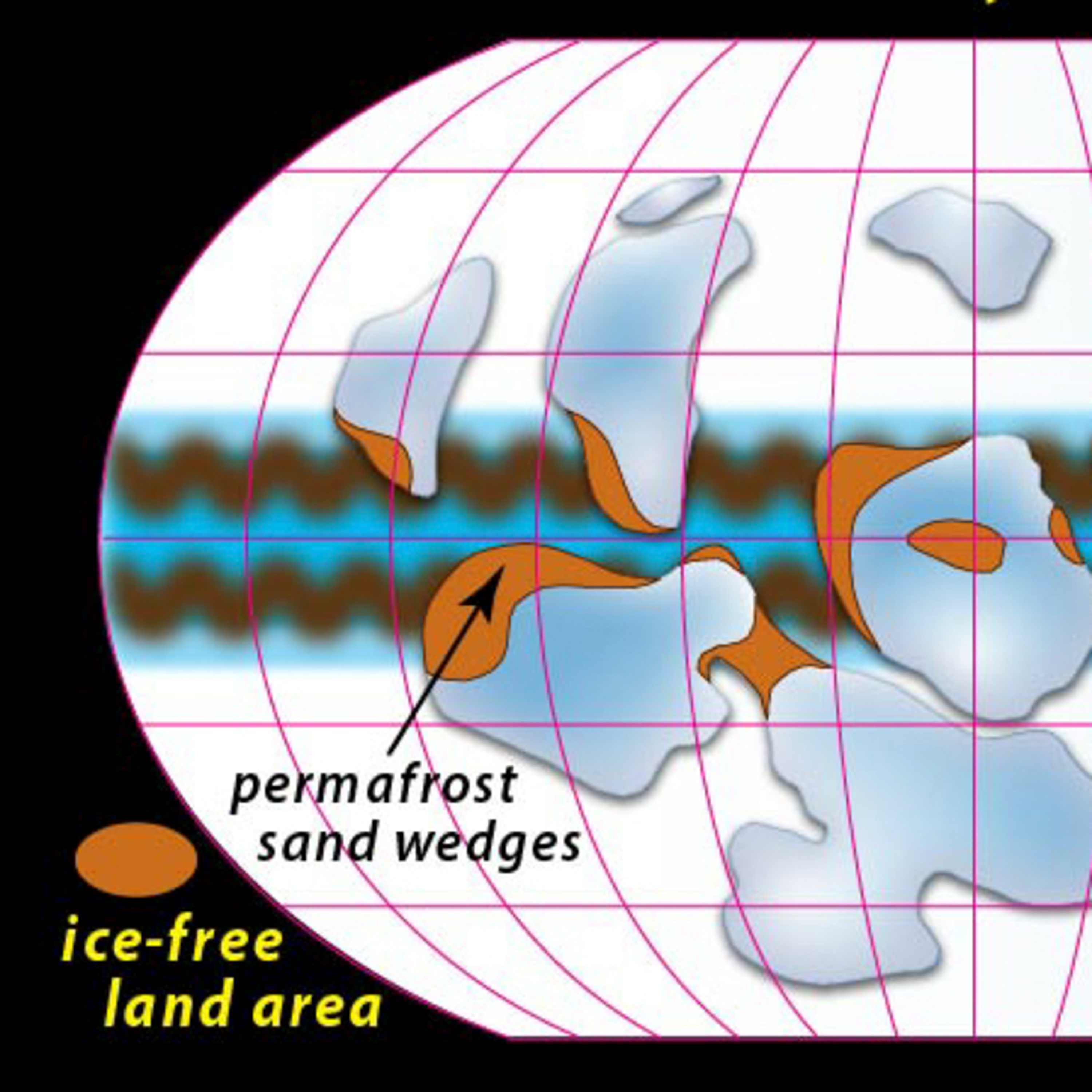
We’re all familiar with the idea of ice ages during which the polar ice caps advance to cover significant portions of their respective hemispheres, and then, after a period of tens to hundreds of thousands of years, retreat back to the polar regions. But now we believe that twice during the Earth’s history, the ice advanced all the way to the equator, almost completely blanketing the Earth with a sheet of ice several kilometers thick. This is the Snowball Earth hypothesis. In the podcast Paul Hoffman explains the mechanisms that could have brought about a snowball Earth, and describes the extensive evidence that has now been amassed in support of two such periods in the Neoproterozoic, about 720 and 650 million years ago. Paul Hoffman is Emeritus Professor of Geology at Harvard University. His research on the sedimentary rocks of Namibia, and that of his students in North America, Arctic Europe, and Mongolia, uncovered compelling evidence of glaciation near the equator about 650 million years ago in the Neoproterozoic. More than anyone else, he is responsible for synthesizing the evidence in the geological record to develop a persuasive case for a Snowball Earth. For illustrations that support this podcast and to learn more about Geology Bites, go to geologybites.com.
Embed this episode
NOW PLAYING
Paul Hoffman on the Snowball Earth Hypothesis
No transcript for this episode yet
Similar Episodes
No similar episodes found.
Similar Podcasts
No similar podcasts found.