
EPISODE · Jan 7, 2025 · 19 MIN
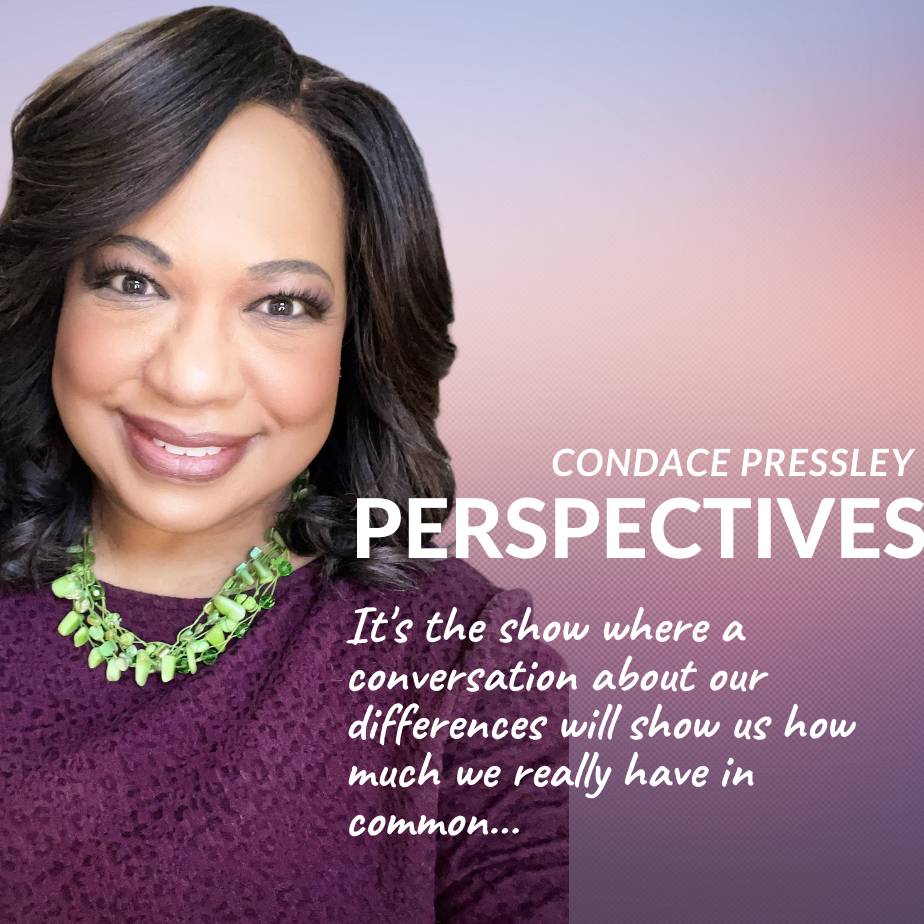
Perspectives S36/Ep68 How Language Changes under conditions of extreme oppression
from Perspectives with Condace Pressley
Tel Aviv University has written a moving and captivating book about the devastating power of words. OCCUPIED WORDS: What the Holocaust Did to Yiddish offers insights into the phenomenon of Khurbn Yiddish—the Yiddish of the Holocaust—and what it says about the role of language in genocide and survival. Pollin-Galay explores how a new strain of Yiddish emerged out of the need among Jews to describe an unprecedented reality—the brutality, imprisonment, and dehumanization within the ghettos and death camps of Nazi occupation—that defied not only comprehension but also normal, prewar forms of conversation. Pollin-Galay seeks to understand why people chose Yiddish lexicography as a means of witnessing the Holocaust. Ultimately, Occupied Words speaks to broader debates about cultural genocide, asking how we might rethink the concept of genocide through the framework of language.
Embed this episode
NOW PLAYING
Perspectives S36/Ep68 How Language Changes under conditions of extreme oppression
No transcript for this episode yet
Similar Episodes
No similar episodes found.
Similar Podcasts
No similar podcasts found.