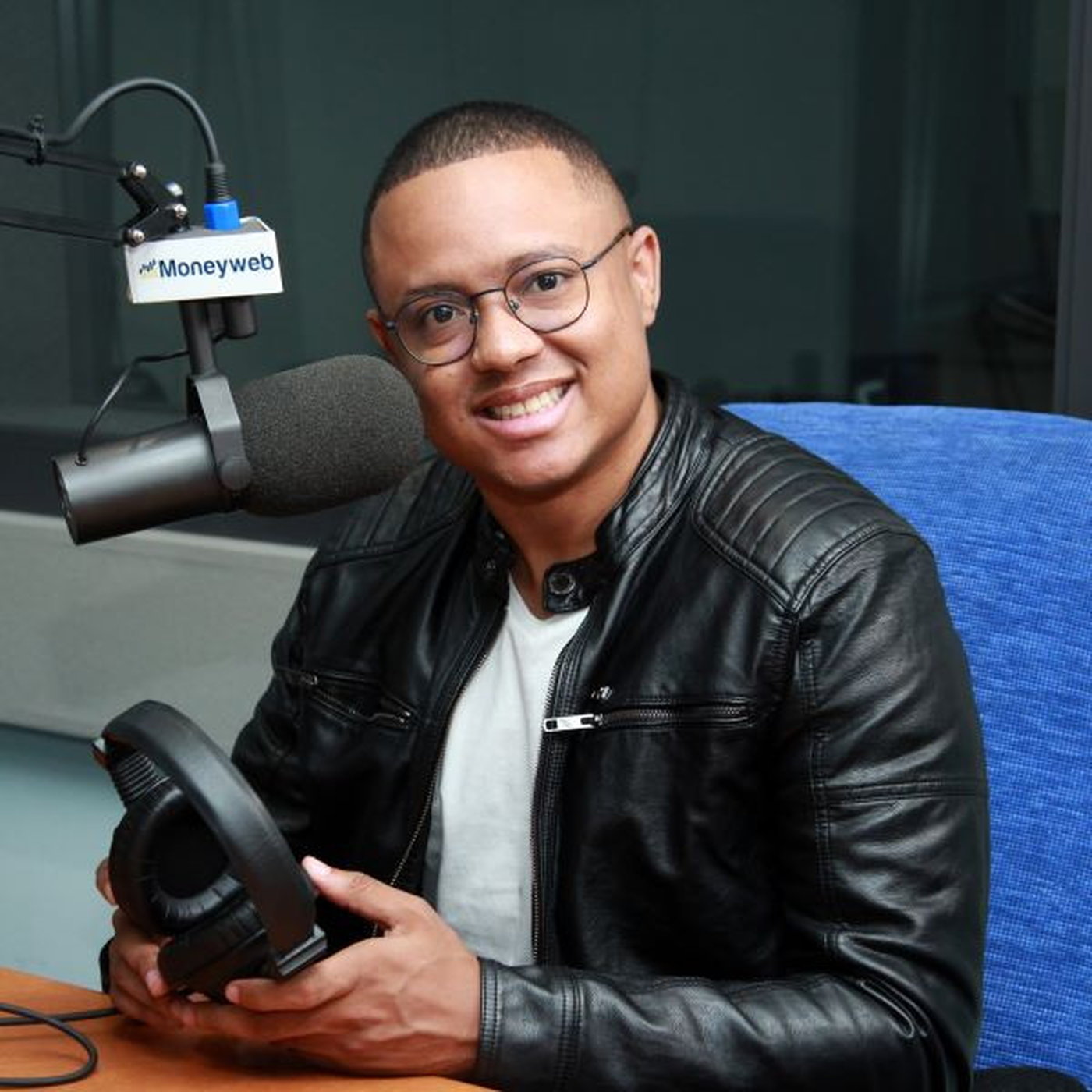
You're listening to the Money Web SAFM Market Update Podcast. Pick and Pay Stores Limited released their 26-week update for the first half of their financial year, ended 30 August 2026. The business saw an improvement in turnover 2.4% to north of 60 billion rands, trading profits improving by almost 60% to the 490 million rand level. There was an improvement from a loss perspective, the headline loss coming down, the headline loss per share coming down, even the basic loss per share improving ever so from the previous financial period. We're going to take a closer look at this with the company's group.
Chief Executive Officer Sean Summers, he joins me on the line now to see what we make of their performance. Uncle Sean, lovely having you on the show as always. The business starting off the new financial year in much better footing than where it was the previous financial year. We are still on quite the turnaround strategy here. And we know that progress on this has been a continuous effort. How are you feeling as we start off this new financial year? Good afternoon, Jimmy. And good afternoon to your listeners as always. And thank you for your interest as always. We greatly appreciate it. I think at where we are now, we're starting to see the fruits of our endeavors coming to the fore.
And I appreciate for the financial market, the real focus is on a singular profit number and returning to profit and what date is that going to happen. But we need to understand that these things in life are sequential and we need to solve for the business first. We need to solve for the customers coming into the store, get that business moving in the right direction. And once that moves in the right direction, profits are a consequence of that. And, you know, the work that's been done in the last two years by the team.
of starting to get that moving forward in the right direction is why we're sitting in the situation we're in today, the positive situation we're in today. So it's solidly work in progress. We're starting to see the outcomes. And, you know, unfortunately for us, the reality is that the market in South Africa is very, very constrained. You know, I had this Jimmy coming back three years ago, you know, come back, Sean, come and help us sort, pick and pay out and the market's going to look like it looks. I would have done a double take and said, wow, it's going to be even twice as hard to climb the mountain. And one can see how much pressure the entire marketplace is under. And that's the market that we operate in.
But we just have to play with the hand that we dealt. You know, we have to make a fist of what we've got. We have a growing team in the company. I've just been buoyed by the strengthening of the management that has been taking place in the organization. And that will continue with Spencer joining us in February next year as my CEO designate. And it will allow all of the wonderful work that's been done by Dallas Langman and the operational team in the pick and pay side and all of the various elements in pick and pay to remain focused on what they're doing. So we're getting a solid, deep management team back in place in the organization.
And then I can move off to me, as you said to me before we came on air. Then you said to me, you worried about me not being able to go and enjoy retirement. Well, we do hope that you get to enjoy that. You were enjoying retirement before the Pick and Pay team asked you to come back and help the organization right to the ship. And you and I have spoken about this, Uncle Sean, in the past to say the management team was a critical part. Having that right team come in was essential to turning the business around. I want to take a look at how the business is performing without the...
impact of the boxer business. The last time you and I caught up in May, we touched on the fact that the pick and pay business was not going to sell down any more of the boxer business. We've spoken to the boxer team as a separate entity now. They've opened their 600 store. They continue to provide great dividends towards the pick and pay business from a shareholding perspective. But let's take a look at the pick and pay business and how that's been performing. How are the stores and the operations of pick and pay, excluding boxers, sitting at the moment?
Well, that's the fantastic part about our current result. You know, when we have a look at our like for like growth, our like for like growth is very strong ahead of our major competitors. And that is for the simple reason that we are starting to see return in all of the investments we'll be making. You know, whether it's been in the Swinglock Initiative, in the revised and revitalized and refreshed marketing campaign, the work that's been done in fresh. You know, one of our strongest growth vectors in the last year has been in the category of fresh, which has also helped enhance the margin. So if you look at our margin improvement that's come into place, you know, almost 0.8% margin improvement. And a lot of that is out of mix and better controls. You know, we have a look at the...
expense control in the business. You know, the work that we did already a year, 18 months ago, I was starting to do some work about readjusting numbers in the support office, about what we did in our supply chain, our large eSport distribution center, the deal that we did with DP World in that regard. So I'm very happy that we're starting to see the fruits of some of these things starting to come to the fore. You know, had we had a slightly more favorable trading situation than we've had in the last while, our losses would have narrowed even more markedly. I mean, we can see we've lost at least 3% in top line sales number since the outbreak of the insecurity in the the Middle East. And, you know, everything has happened there. And I mean, you know, for every 1% that I lose in top sign sales, there's about 140, 150 million of income that lies right there. So, you know, certainly the market could have been more favorable. And notwithstanding all of those exigencies, managed to achieve what we achieve. And I think it's a mark of the amount of work that's going into the organization every single solitary day as the company grows its capacity and restores its muscle memory again, its corporate muscle memory. Uncle Sean, I want to take a look at the...
The recent withdrawal of the Section 189A, that was in effect. Obviously, this is a huge win for the preservation of jobs, regardless of industry and market conditions. It's always great to be able to not have to go ahead with these last resort measures. Take us through everything that's been unfolding in that respect and how it is that we got to this particular point from a worker's perspective. Well, how we got to the 189 in the beginning was that we had two years of attractive negotiations with our labour partners, both our NNC and the union, and we couldn't make any progress. We were just not getting anywhere. So we were left with no option other than to initiate a 189 process, because legally, if you are contemplating retrenchments, which we would have had to do had we not been able to deal with some of the cost of labour in the organisation, we would have had to embark upon that. Now, you know, the law states that if you are contemplating retrenchments, you are legally obligated to launch an S-189 process.
that requires you to seek alternatives to retrenchment. And you know, when we announced the 189A, and it was a lot of hard thought, because you don't just do this as a threat. It is something that you will have to follow through with during the passage of time if you don't get to where you want to get to. And our first goal was when we launched the 189, we said right up front, we want to negotiate, we don't want to retrench anybody. And we need to get the flexibility back into the business again, along with a whole lot of other labour practices. And the major thing that we have managed to achieve...
is that we gave extensions outside of the 90-day, the original 90-day process. So that three months turned into about five, six months in total, which we were happy to do because we were starting to find each other and make progress in that regard. So where we've got to now is that we've got flexibility into our labour pool. We have far more control over when people work and having people available when our customers are in the store, i.e. not Monday to Thursday, but having experienced people in the store and available on weekends, on a shift basis. Not that everybody's now going to work every weekend, but just getting all of that in place. So I think it's a huge feather in the cap.
of the pick and pay family, the broad pick and pay family, that we've managed to achieve this with minimum upset in the company. And right the way through all of these negotiations, our people came to work every day and served our customers, looked after the company. And it really has been, it's been a remarkable process. Improvements are being made. The business is on course and it looks as though that course could potentially lead to profitability once more. We'll have to see how the rest of the year shapes up. We look forward to catching up at the end of the year. For now, we'll leave the conversation on that note. Group Chief Executive Officer of Pick and Pay Stores Limited, Sean Summers, joining us to reflect on the first six months of their new financial year and how it is that the business is faring. You've been listening to another MoneyWeb SAFM Market Update podcast, uploaded weekdays at 7 p.m. For more MoneyWeb podcasts, go to moneyweb.co.za or the app and follow MoneyWeb News for daily updates.