Plantationocene episode artwork

EPISODE · Nov 17, 2023 · 18 MIN

Plantationocene

from High Theory · host High Theory

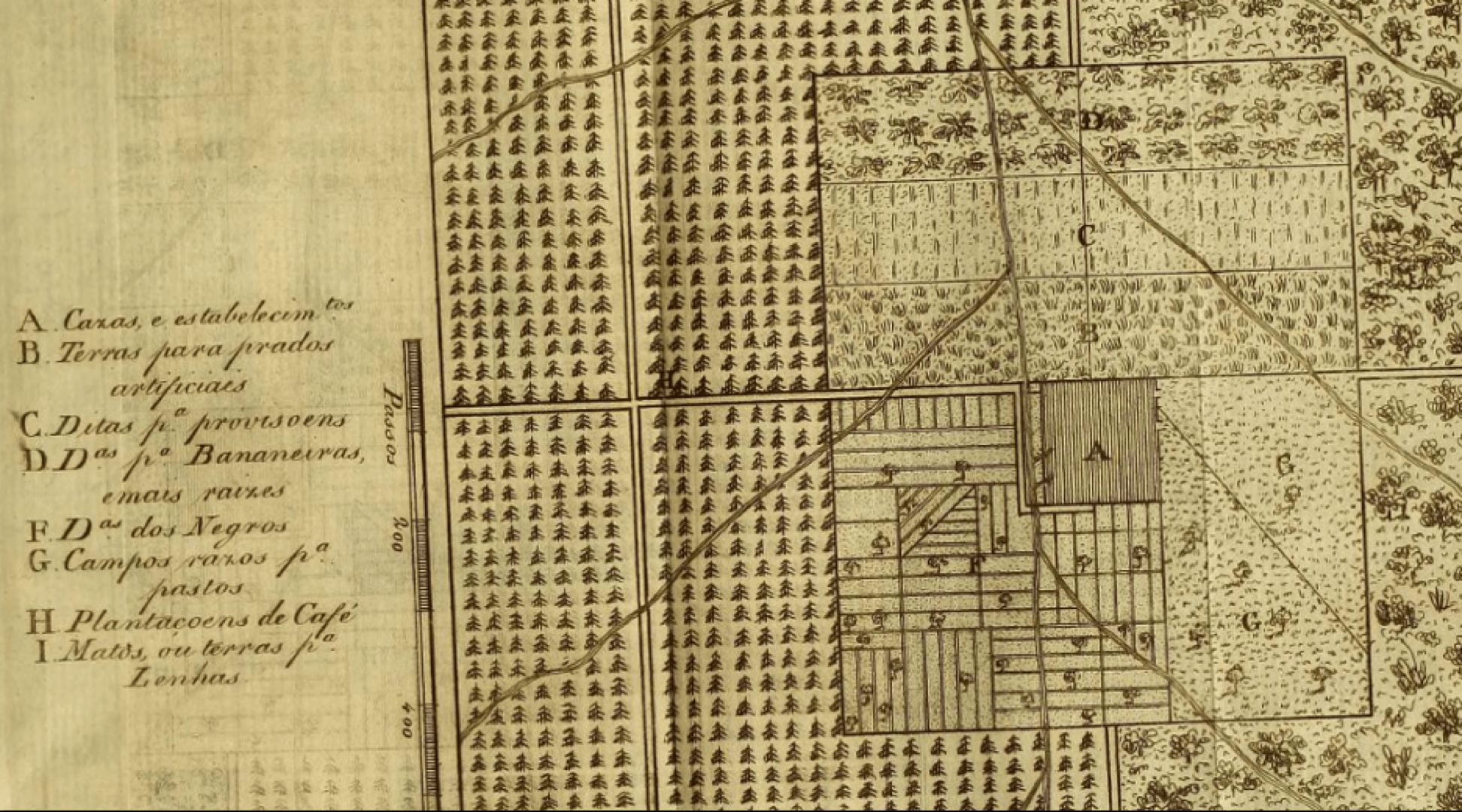
In this episode of High Theory, Neil Safier talks with us about the Plantationocene, a geological epoch that traces the effects of climate change to the historical systems of human and nonhuman environmental exploitation known as plantation agriculture. It is another name for the world we currently inhabit. In the episode, Neil describes how Donna Harraway and Anna Tsing invented the term Plantationocene in response to another recent term Anthropocene. Sources to check out include Donna Haraway’s essay, “Anthropocene, Capitalocene, Plantationcene, Chthulucene: Making Kin” Environmental Humanities 6 no. 1 (2015): 159-165. doi: 10.1215/22011919-3615934, and Paul Crutzen, “The ‘Anthropocene’” Earth Systems Science in the Anthropocene ed. Eckhart Ehlers and Thomas Krafft (Springer, 2006) pp. 13-18. He references B.F. Skinner’s novel Walden Two (MacMillan, 1962) at the end of our conversation. Neil Safier is Associate Professor in the Department of History at Brown University where he currently serves as Director of the Center for Latin American and Caribbean Studies of the Watson Institute for International Affairs. He studies the history of science, agriculture, and other forms of knowledge-making in the late-eighteenth-century Atlantic world, focusing on the plantation cultures of the Caribbean and Brazil. He was recently the director of the John Carter Brown Library, at Brown University, and many years ago, when he was more optimistic about the current global epoch, he managed grants for the Sierra Club Foundation in San Francisco, California. He is the author of Measuring the New World: Enlightenment Science and South America (U Chicago, 2008) and is cooking up two new projects, on the historical connections between natural science and plantation agriculture in the Amazon River basin and the global history of collecting. The image for this week comes from Neil’s research on the history of plantation agriculture. This drawing of a plantation from Hispaniola (Saint-Domingue) was reproduced in José Mariano da Conceição Velozo's Fazendeiro do Brazil Tome III Part II (Lisbon, 1799), in the volume dedicated to coffee production. Learn more about your ad choices. Visit megaphone.fm/adchoices

In this episode of High Theory, Neil Safier talks with us about the Plantationocene, a geological epoch that traces the effects of climate change to the historical systems of human and nonhuman environmental exploitation known as plantation agriculture. It is another name for the world we currently inhabit. In the episode, Neil describes how Donna Harraway and Anna Tsing invented the term Plantationocene in response to another recent term Anthropocene. Sources to check out include Donna Haraway’s essay, “Anthropocene, Capitalocene, Plantationcene, Chthulucene: Making Kin” Environmental Humanities 6 no. 1 (2015): 159-165. doi: 10.1215/22011919-3615934, and Paul Crutzen, “The ‘Anthropocene’” Earth Systems Science in the Anthropocene ed. Eckhart Ehlers and Thomas Krafft (Springer, 2006) pp. 13-18. He references B.F. Skinner’s novel Walden Two (MacMillan, 1962) at the end of our conversation. Neil Safier is Associate Professor in the Department of History at Brown University where he currently serves as Director of the Center for Latin American and Caribbean Studies of the Watson Institute for International Affairs. He studies the history of science, agriculture, and other forms of knowledge-making in the late-eighteenth-century Atlantic world, focusing on the plantation cultures of the Caribbean and Brazil. He was recently the director of the John Carter Brown Library, at Brown University, and many years ago, when he was more optimistic about the current global epoch, he managed grants for the Sierra Club Foundation in San Francisco, California. He is the author of Measuring the New World: Enlightenment Science and South America (U Chicago, 2008) and is cooking up two new projects, on the historical connections between natural science and plantation agriculture in the Amazon River basin and the global history of collecting. The image for this week comes from Neil’s research on the history of plantation agriculture. This drawing of a plantation from Hispaniola (Saint-Domingue) was reproduced in José Mariano da Conceição Velozo's Fazendeiro do Brazil Tome III Part II (Lisbon, 1799), in the volume dedicated to coffee production. Learn more about your ad choices. Visit megaphone.fm/adchoices

NOW PLAYING

Plantationocene

0:00 18:37

No transcript for this episode yet

We transcribe on demand. Request one and we'll notify you when it's ready — usually under 10 minutes.

Chewing the Fat with WorkForge WorkForge Bite-Sized Conversations for Building a Stronger Workforce Welcome to Chewing the Fat, a podcast delving deep into the world of food manufacturing. Dive into real conversations around critical topics like staffing, retention, onboarding, and career development in this essential industry. Subscribe now to gain insights from your peers, subject matter experts and more on the biggest issues facing food manufacturers today: -Hiring and retaining employees -Addressing the challenges of the Silver Tsunami -Improving time to productivity of new employees -Engaging employees from hire to retire And more... Tune in to Chewing the Fat, a WorkForge podcast, and join the conversation on how to build and sustain a resilient, high-performing workforce in food manufacturing. Sermons | Countryside Bible Church Countryside Bible Church At Countryside Bible Church, we equip believers to joyfully live holy lives, to serve one another, and to share the gospel of Jesus Christ, all to the glory of God. We are committed to a high view of God, and a high view of Scripture. IT IS WHAT IT IS with SHALLZ - SHALLY ZOMORODI Shally Zomorodi What?  "It is what it is" with ShallZ – Shally ZomorodiWhen? WeeklyHow long? 35 minutesEvery week, Mother of 4, wife, morning TV news anchor and ultimate hostess, Shally Zomorodi talks about life - its up's and downs and how to stay on track in her weekly podcast, ‘It is what it is.’  Known for her high energy, infectious smile and ability to see the cup as half full Shally talks about all things in life and how to work through its challenges. From parenting, marriage, friendships, current events to how to smile when it just seems impossible ‘It is what it is’ is the perfect podcast to help inspire you to dance through the rain. The Syndicate Blogcast: Startups | Startup Investing | Tech News | Angel Investors | VC | Venture Capital | Private Equity | Crowdfunding | Fundraising Matt Ward - Serial Entrepreneur | Angel Investor | Startup Advisor | Amazon Ecommerce The Syndicate Blogcast show is an extension of The Syndicate podcast, featuring long form articles on the future technology, ecommerce, business and life. The mini-sodes deconstruct high level startup, business and tech issues to help investors and operators better understand and win the market. Recurring topics include: Facebook, Google, Amazon, Apple, Ecommerce, Blockchains, ICOs, Cryptocurrencies, Marketing, Fundraising, Venture Capital, Startup Challenges, Business Development and more. The Blogcast comes in addition to The Syndicate - the place where investors and startups combine to create crazy businesses and even crazier returns. The Syndicate podcast is a deep dive on the angel investors and VCs behind the big name startups. We interview the best and brightest investors, syndicate leads, GPs, limited partners and startup founders to create an original, off the cuff discussion on startup investing.

Frequently Asked Questions

How long is this episode of High Theory?

This episode is 18 minutes long.

When was this High Theory episode published?

This episode was published on November 17, 2023.

What is this episode about?

In this episode of High Theory, Neil Safier talks with us about the Plantationocene, a geological epoch that traces the effects of climate change to the historical systems of human and nonhuman environmental exploitation known as plantation...

Can I download this High Theory episode?

Yes, you can download this episode by clicking the download button on the episode player, or subscribe to the podcast in your preferred podcast app for automatic downloads.
URL copied to clipboard!