
EPISODE · Dec 14, 2025 · 1H
Plato, art and spiritual growth. Sep 5, 1987
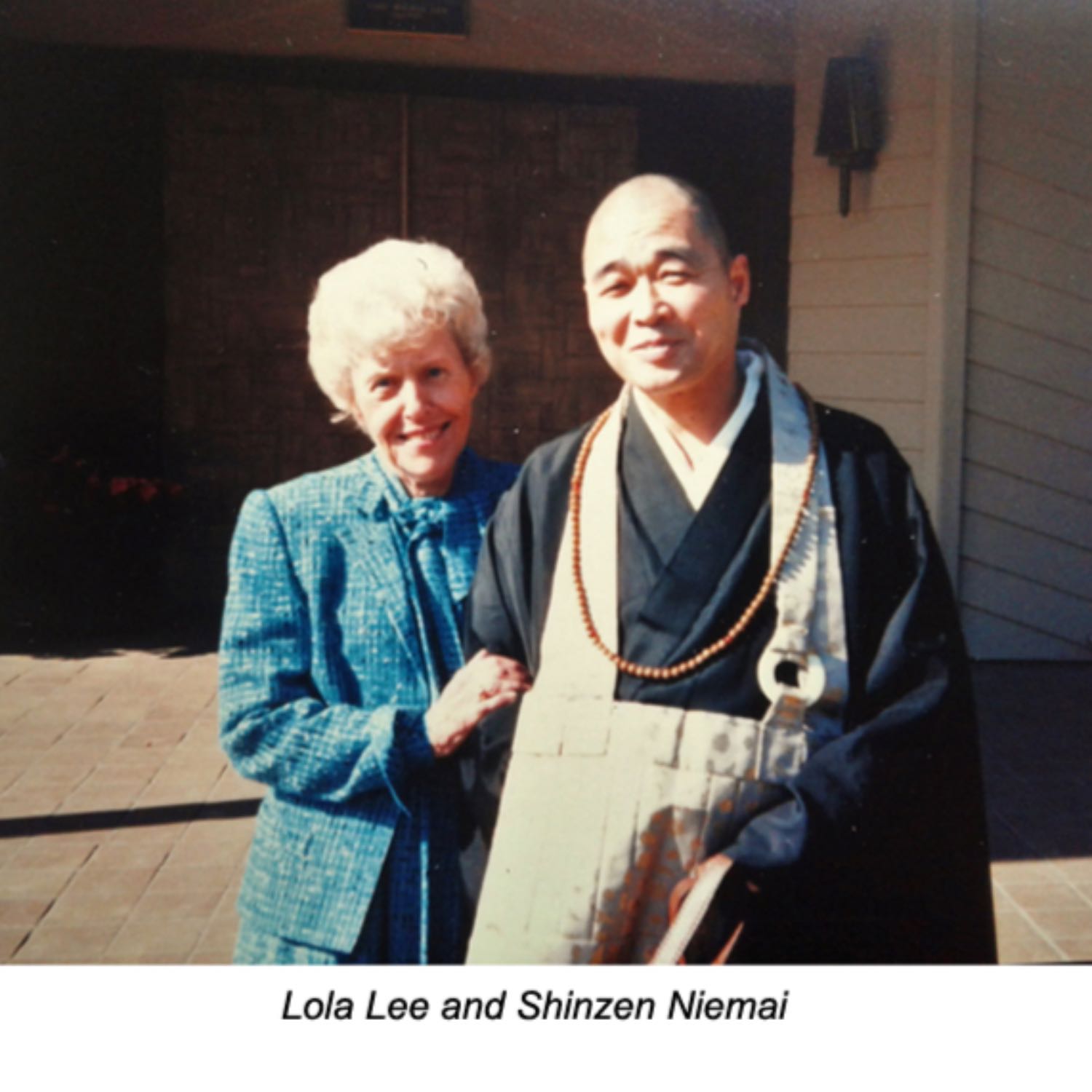
from Talks by Zen Roshi, Lola McDowell Lee
Zen Roshi, Lola McDowell Lee, explores the concept of freedom through the conquest of self. Per the Dhammapada, we should direct straying thoughts. The path to happiness is through quieting these elusive thoughts with single-mindedness, which brings freedom.We struggle from confusing wants and needs and forgetting the primary goal: freedom.This freedom is not worldly (economic, political, or social). It’s freedom from the ego. When the ego drops, it’s like a curtain falling, revealing the reality. This is the noumenal world described by philosopher Immanuel Kant.We are caught up primarily in the phenomenal aspect of life, seeing the world through the lens of egocentricity, which acts as a barrier to our understanding reality itself.Lola shares Plato's Allegory of the Cave, in which characters are completely focused on shadows on the wall. The spiritual task is to turn around and see the light that creates those shadows.The Buddhist parable of the poisoned arrow. A monk has all these questions for the Buddha about afterlife, etc, and says he’s giving up if the Buddha doesn’t provide answers. The Buddha responds by asking if a wounded man would refuse to have the arrow removed until he knows all the details about the shooter. The Buddha's teaching is to remove the arrow of suffering. Not provide all the answers.Lola tells the Tibetan story of the servant obsessed with learning the secret of miracles. The Master’s advice is to recite a mantra, and to not think of monkeys as he does so. His resulting experience is the lesson.Lola then discusses the Sanskrit gunas (qualities in man). The importance of cultivating sattvic (fine, high frequency) qualities like sensitivity, love of beauty, and inner harmony. We can choose to exist as inner noise or as a temple of sacred silence.Many assume that Plato's Republic is about government. Then why is its subtitle: The Conquest of Self? If the book is about conquering the self, then the "philosopher king" represents our wisdom, the "guardians" our will, and the "laborers/merchants" our desires/appetites.Lola explores Plato's idea in the book of regulating art. Rather than think of it as censorship in a republic, look at it in terms of what art you want to expose yourself to. An important step in self-conquest is observing what emotions art evokes in us.True philosophy is “love of wisdom,” she concludes, not complex “philosophical” ideas. Originally philosophy was an instruction to go within, and utilize the "noetic quality" for transformation.Sep 5, 1987
Embed this episode
NOW PLAYING
Plato, art and spiritual growth. Sep 5, 1987
No transcript for this episode yet
Similar Episodes
No similar episodes found.
Similar Podcasts
No similar podcasts found.