
EPISODE · Feb 13, 2022 · 1H 34M
Podcast 229 - Non-Fishable Tetrapods
from Palaeo After Dark
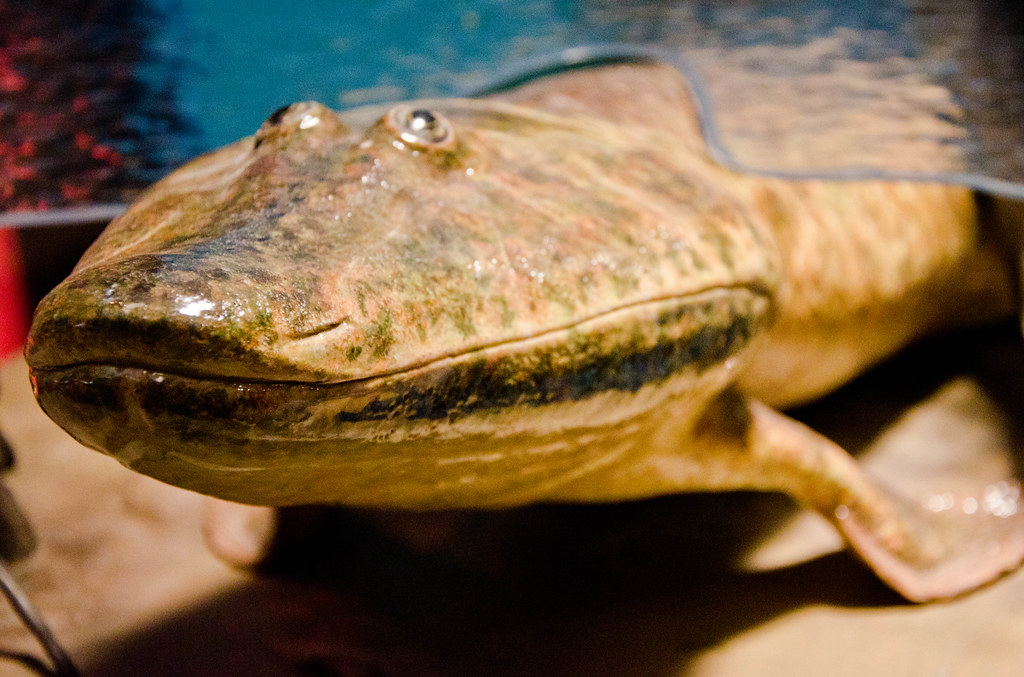
The gang discusses two papers that explore the functional morphology of ancient groups. The first paper looks at soft tissue in ammonites which can be used to infer locomotion, and the second paper looks at how functional morphology changed as tetrapods transitioned from marine to terrestrial environments. Meanwhile, James explores the evolution of baked goods, Curt develops a new business plan, and Amanda dreams of Tiktaalik. Up-Goer Five (Curt Edition): Our friends talk about two papers that look into how we can learn how very old animals moved and how that moving changes over time by looking at the parts we can find in the ground. The first paper looks at animals with a lot of arms who live in a big hard round hard part. Today, while we have a lot of these animals with lots of arms, only one of those animals today lives in a big round thing. In the past, there was a big group of animals that lived in a round thing, but they did it in a different way than the one we have around today. However, because it is hard to find pieces that are not hard, we have used the animal that is around today as our best guess for how these old animals may have moved. This paper finds some soft pieces which give us a better idea of how the soft parts that allow animals to move were put together. And these old animals probably moved in a very different way from the other animal from today who lives in a round thing. In fact, the old animals that live in round parts may have moved in a way that is sort of like how the animals with many arms who do not live in round things today move (but not exactly the same). The second paper looks at how the hard parts of animals with four legs changed when they animals moved onto land. This paper looks at these changes and also looks at how these changes make it so these animals move in different ways. They find that the animals with four legs in the water all have legs that look like we would expect for moving in water. The animals that are on land also have legs that fit the moving we would see for things that need to hold themselves up and move on land. The fun thing is that the animals who come from the animals who are not quite on land and not quite in water yet (the ones in the middle of this change) do not fit into any space where we would expect the animal to be able to move well. This could mean that these animals (which did well enough) were living in a time when it was alright to suck at moving. Also, it may be that some groups of animals that moved onto land from this group that sucks at moving might have had some of the animals in that group that came back to this sucking at moving space. References: Dickson, Blake V., et al. "Functional adaptive landscapes predict terrestrial capacity at the origin of limbs." Nature 589.7841 (2021): 242-245. Cherns, Lesley, et al. "Correlative tomography of an exceptionally preserved Jurassic ammonite implies hyponome-propelled swimming." Geology (2021).
Embed this episode
NOW PLAYING
Podcast 229 - Non-Fishable Tetrapods
No transcript for this episode yet
Similar Episodes
No similar episodes found.
Similar Podcasts
No similar podcasts found.