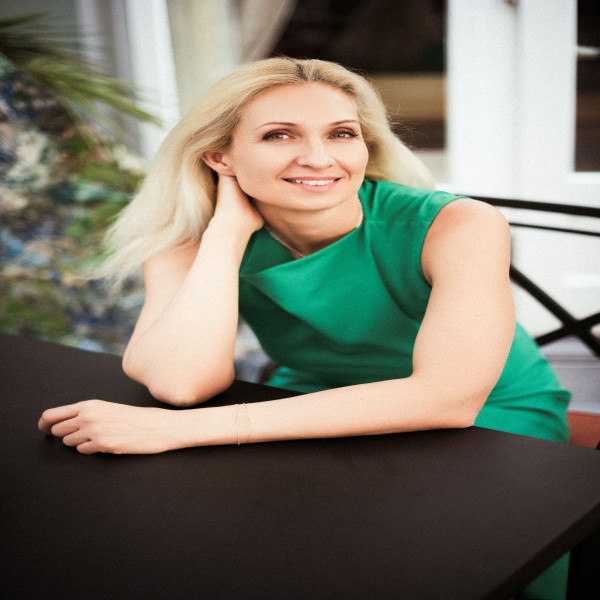
Podcast Then & Now #20 - Teresa Cherfas in conversation with Olga Sadovskaya episode artwork

EPISODE · Jun 21, 2024 · 33 MIN

Podcast Then & Now #20 - Teresa Cherfas in conversation with Olga Sadovskaya

from Rights in Russia · host Rights in Russia

Welcome to the twentieth edition of our Russian-language podcast Then & Now with me, Teresa Cherfas. My guest today is Olga Sadovskaya, a lawyer from the civil society group, Team Against Torture. The project’s members have been investigating complaints by Russians about torture for over two decades. Thanks to their work, hundreds of cases of torture by law enforcement officers have reached the courts and compensation from the state has been awarded to their victims. Olga Sadovskaya lives and works in her native city of Nizhny Novgorod. She graduated from Lobachevsky State University with a degree in Public International Law, defending the first thesis in Russia on the prohibition of torture and the practice of the European Court of Human Rights on this issue. She has been taking cases to the European Court of Human Rights for over 20 years. This podcast was recorded on 20 June 2024.My questions include:You chose a rather unusual topic for your diploma. In 2003, when you defended it, what profession did you think you would pursue in the future?How did it come about that you specialised in torture?In Russia, it seems to me, few people are concerned about torture – people think ‘that’s just how it should be’, or ‘they deserve it, and that’s all there is to it.’ How do you explain the rather high tolerance for violence in Russia?Since the beginning of the full-scale invasion of Ukraine, has the Russian public’s attitude to torture changed? Has it become better, worse, or have moral and ethical guidelines shifted in general?Previously, in such situations it was common to appeal to the ECtHR, but in 2022 the Russian Federation withdrew from the jurisdiction of the European Court. What tools are now left for Russian human rights defenders to seek justice?I read somewhere that you have said that “all wars end in a resolution of peace.” In your opinion, will Russia’s war against Ukraine also end through peace negotiations? With the intervention of international forums, or do the warring parties no longer have confidence in them?  What is it like for you and other human rights defenders to work under current conditions?Since the spring of 2022, when the register of foreign agents is updated every Friday, have many of your colleagues left the country or given up their human rights practice?How does the ‘foreign agent’ label affect your professional work. And can you explain what is an “undesirable organisation”?Have you ever received any threats yourself? Or have there been administrative cases initiated against you?What is meant by the word “torture” and what should a person do if they find themselves in a situation where, in their opinion, they are being subjected to torture? And what if they are exposed  to torture in detention? What should they do then?Is there such a thing as psychological torture? Have you experienced it yourself in your work as a human rights defender?Can such a term be applied to what happened to your fellow resident of Nizhny Novgorod, Irina Slavina, who committed suicide in the most horrible way in front of the Interior Ministry building in the city centre in 2020?You said somewhere that ‘even if a person is not themselves directly involved in torture, they could still be party to the system of violence.’ Can you elaborate? What does the police treatment of suspects in the terrorist attack on Crocus City Hall in March this year tell us about today’s Russia?In Russia now everyone is living with uncertainty. What options for the future of your work do you see?Can you imagine ever being forced to give up your work – that the screws will be tightened to such an extent that it will be impossible to work in the field of human rights in Russia?

Welcome to the twentieth edition of our Russian-language podcast Then & Now with me, Teresa Cherfas. My guest today is Olga Sadovskaya, a lawyer from the civil society group, Team Against Torture. The project’s members have been investigating complaints by Russians about torture for over two decades. Thanks to their work, hundreds of cases of torture by law enforcement officers have reached the courts and compensation from the state has been awarded to their victims. Olga Sadovskaya lives and works in her native city of Nizhny Novgorod. She graduated from Lobachevsky State University with a degree in Public International Law, defending the first thesis in Russia on the prohibition of torture and the practice of the European Court of Human Rights on this issue. She has been taking cases to the European Court of Human Rights for over 20 years. This podcast was recorded on 20 June 2024.My questions include:You chose a rather unusual topic for your diploma. In 2003, when you defended it, what profession did you think you would pursue in the future?How did it come about that you specialised in torture?In Russia, it seems to me, few people are concerned about torture – people think ‘that’s just how it should be’, or ‘they deserve it, and that’s all there is to it.’ How do you explain the rather high tolerance for violence in Russia?Since the beginning of the full-scale invasion of Ukraine, has the Russian public’s attitude to torture changed? Has it become better, worse, or have moral and ethical guidelines shifted in general?Previously, in such situations it was common to appeal to the ECtHR, but in 2022 the Russian Federation withdrew from the jurisdiction of the European Court. What tools are now left for Russian human rights defenders to seek justice?I read somewhere that you have said that “all wars end in a resolution of peace.” In your opinion, will Russia’s war against Ukraine also end through peace negotiations? With the intervention of international forums, or do the warring parties no longer have confidence in them?  What is it like for you and other human rights defenders to work under current conditions?Since the spring of 2022, when the register of foreign agents is updated every Friday, have many of your colleagues left the country or given up their human rights practice?How does the ‘foreign agent’ label affect your professional work. And can you explain what is an “undesirable organisation”?Have you ever received any threats yourself? Or have there been administrative cases initiated against you?What is meant by the word “torture” and what should a person do if they find themselves in a situation where, in their opinion, they are being subjected to torture? And what if they are exposed  to torture in detention? What should they do then?Is there such a thing as psychological torture? Have you experienced it yourself in your work as a human rights defender?Can such a term be applied to what happened to your fellow resident of Nizhny Novgorod, Irina Slavina, who committed suicide in the most horrible way in front of the Interior Ministry building in the city centre in 2020?You said somewhere that ‘even if a person is not themselves directly involved in torture, they could still be party to the system of violence.’ Can you elaborate? What does the police treatment of suspects in the terrorist attack on Crocus City Hall in March this year tell us about today’s Russia?In Russia now everyone is living with uncertainty. What options for the future of your work do you see?Can you imagine ever being forced to give up your work – that the screws will be tightened to such an extent that it will be impossible to work in the field of human rights in Russia?

NOW PLAYING

Podcast Then & Now #20 - Teresa Cherfas in conversation with Olga Sadovskaya

0:00 33:28

No transcript for this episode yet

We transcribe on demand. Request one and we'll notify you when it's ready — usually under 10 minutes.

MG Show MG Show The MG Show, hosted by Jeffrey Pedersen and Shannon Townsend, is a leading alternative media platform dedicated to uncovering the truth behind today’s most pressing political issues. Launched in 2019, the show has grown exponentially, offering unfiltered insights, comprehensive research, and real-time analysis. With a commitment to independent journalism and factual integrity, the MG Show empowers its audience with knowledge and encourages active participation in the political discourse. Breaking News Show | eTurboNews Juergen Thomas Steinmetz News is relevant to the global travel and tourism industry, human rights and global issues.Breaking news when it happens and only from the source. Eat to Live Jenna Fuhrman, Dr. Fuhrman Our health is our most precious gift and smart nutrition can change your life. Each month, join Dr. Fuhrman and his daughter, Jenna Fuhrman as they discuss important topics in the world of nutrition. Eat to Live will change the way you eat and think about food. French Your Way Jessica: Native French teacher founder of French Your Way Boost your French listening skills and test your comprehension with this one of a kind series of podcasts. Get the chance to listen to a real conversation between native speakers talking at normal speed AND customise your learning experience through carefully designed sets of questions (2 levels of difficulty) available for download at www.frenchvoicespodcast.com. All interviews also come with the transcript. French teacher Jessica interviews native speakers of French from around the world who share a bit of their life and passion. Where else would you meet in one same place a French yoga teacher based in Melbourne, a soap manufacturer from Provence, or a couple cycling around the world?

Frequently Asked Questions

How long is this episode of Rights in Russia?

This episode is 33 minutes long.

When was this Rights in Russia episode published?

This episode was published on June 21, 2024.

What is this episode about?

Welcome to the twentieth edition of our Russian-language podcast Then & Now with me, Teresa Cherfas. My guest today is Olga Sadovskaya, a lawyer from the civil society group, Team Against Torture. The project’s members have been investigating...

Can I download this Rights in Russia episode?

Yes, you can download this episode by clicking the download button on the episode player, or subscribe to the podcast in your preferred podcast app for automatic downloads.
URL copied to clipboard!