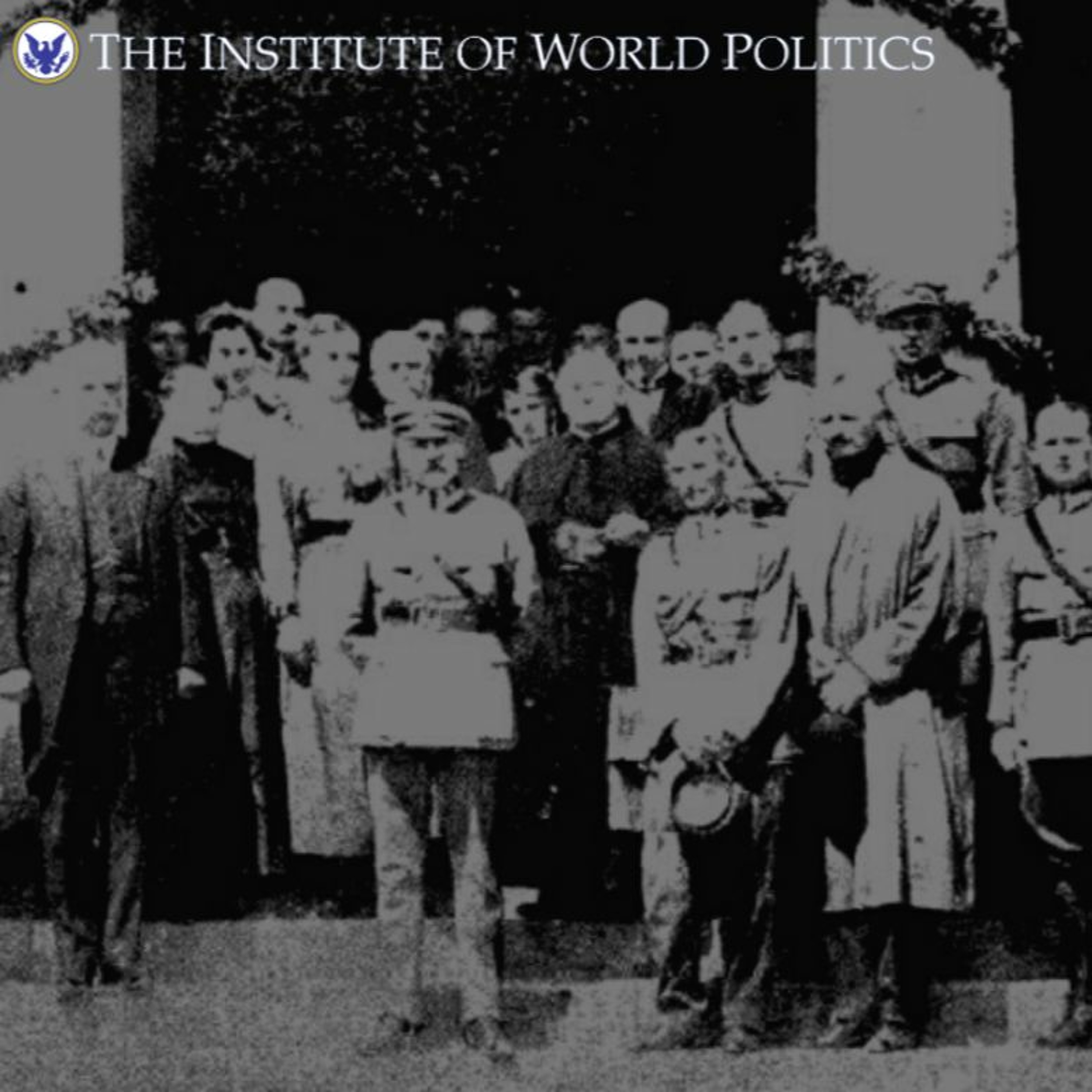
Poland at War (1914-1921) episode artwork

EPISODE · Jan 13, 2021 · 32 MIN

Poland at War (1914-1921)

from The Institute of World Politics · host The Institute of World Politics

About the lecture: Most politically active Poles welcomed the outbreak of the Great War as a chance to regain independence for their nation. Polish politicians and their followers were deeply divided among themselves. There were several orientations among them vying for influence. "Russian" Poles were pro-Western and counted on the victory of the Entente and sovereignty at best, or autonomy at worst. "Austrian" Poles pursued an "Austro-Polish solution," hoping that Vienna would unite all Polish lands under the scepter of the Habsburgs. Yet, the Austro-Hungarians increasingly yielded to Prussian prerogatives. Berlin at most entertained an idea of a dwarf Polish puppet state in the central provinces of Poland. Notwithstanding, the Poles raised several armed forces by the sides of the Russian, Austrian, and, lastly, Prussian armies. Meanwhile, emigre Poles, in particular in the United States supported the pro-Entente orientation. They also fielded the largest Polish force in the field which fought first in France and then, from 1919, in Poland itself. As the empires collapsed, it was both the diplomatic effort of the Poles in the West and the valor of Polish arms at home that facilitated the resurrection and defense of the Commonwealth. Ultimately, although they enjoyed some material assistance from the United States, France, and Hungary, it was the valor of Polish arms alone that secured the reborn nation's freedom. About the speaker: Dr. Marek Chodakiewicz currently serves as a Professor of History at The Institute of World Politics, where he holds the Kosciuszko Chair of Polish Studies. He also leads IWP’s Center for Intermarium Studies. At IWP, Dr. Chodakiewicz teaches courses on Contemporary Politics and Diplomacy, Geography and Strategy, Mass Murder Prevention in Failed and Failing States, and Russian Politics and Foreign Policy. He was formerly an assistant professor of history of the Kosciuszko Chair in Polish Studies at the Miller Center of Public Affairs at the University of Virginia. He also served as a visiting professor of history at Loyola Marymount University in Los Angeles.

About the lecture: Most politically active Poles welcomed the outbreak of the Great War as a chance to regain independence for their nation. Polish politicians and their followers were deeply divided among themselves. There were several orientations among them vying for influence. "Russian" Poles were pro-Western and counted on the victory of the Entente and sovereignty at best, or autonomy at worst. "Austrian" Poles pursued an "Austro-Polish solution," hoping that Vienna would unite all Polish lands under the scepter of the Habsburgs. Yet, the Austro-Hungarians increasingly yielded to Prussian prerogatives. Berlin at most entertained an idea of a dwarf Polish puppet state in the central provinces of Poland. Notwithstanding, the Poles raised several armed forces by the sides of the Russian, Austrian, and, lastly, Prussian armies. Meanwhile, emigre Poles, in particular in the United States supported the pro-Entente orientation. They also fielded the largest Polish force in the field which fought first in France and then, from 1919, in Poland itself. As the empires collapsed, it was both the diplomatic effort of the Poles in the West and the valor of Polish arms at home that facilitated the resurrection and defense of the Commonwealth. Ultimately, although they enjoyed some material assistance from the United States, France, and Hungary, it was the valor of Polish arms alone that secured the reborn nation's freedom. About the speaker: Dr. Marek Chodakiewicz currently serves as a Professor of History at The Institute of World Politics, where he holds the Kosciuszko Chair of Polish Studies. He also leads IWP’s Center for Intermarium Studies. At IWP, Dr. Chodakiewicz teaches courses on Contemporary Politics and Diplomacy, Geography and Strategy, Mass Murder Prevention in Failed and Failing States, and Russian Politics and Foreign Policy. He was formerly an assistant professor of history of the Kosciuszko Chair in Polish Studies at the Miller Center of Public Affairs at the University of Virginia. He also served as a visiting professor of history at Loyola Marymount University in Los Angeles.

NOW PLAYING

Poland at War (1914-1921)

0:00 32:57

No transcript for this episode yet

We transcribe on demand. Request one and we'll notify you when it's ready — usually under 10 minutes.

Frequently Asked Questions

How long is this episode of The Institute of World Politics?

This episode is 32 minutes long.

When was this The Institute of World Politics episode published?

This episode was published on January 13, 2021.

What is this episode about?

About the lecture: Most politically active Poles welcomed the outbreak of the Great War as a chance to regain independence for their nation. Polish politicians and their followers were deeply divided among themselves. There were several orientations...

Can I download this The Institute of World Politics episode?

Yes, you can download this episode by clicking the download button on the episode player, or subscribe to the podcast in your preferred podcast app for automatic downloads.
URL copied to clipboard!