
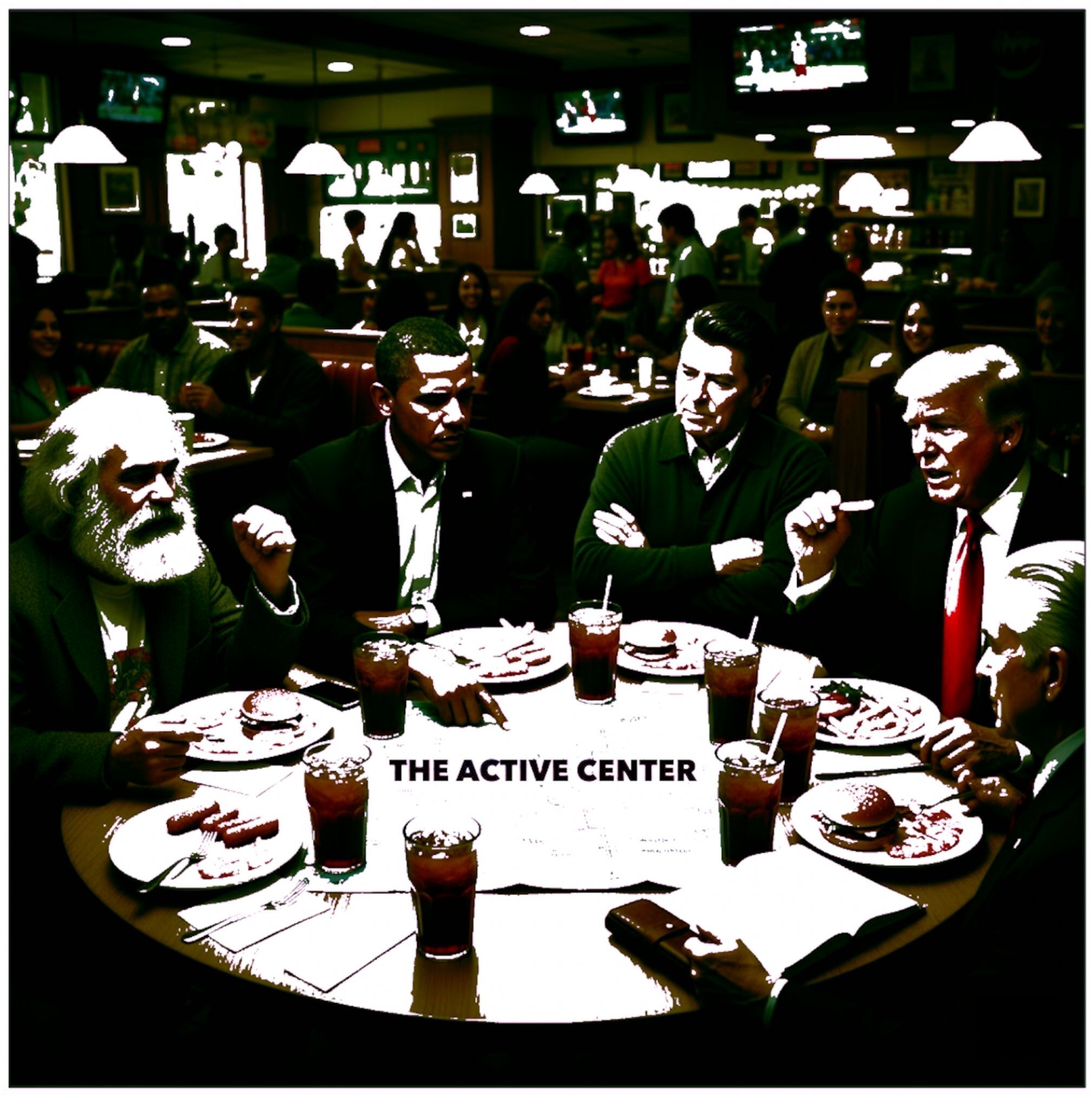
EPISODE · Jun 19, 2026 · 5 MIN
Policy Briefing: Comparing the 2015 JCPOA (Obama) and the 2026 Trump-Iran MOU
from The Active Center · host David Sepe
This briefing provides a comparative analysis of the 2015 Joint Comprehensive Plan of Action (JCPOA) negotiated under President Barack Obama and the 14-point Memorandum of Understanding (MOU) signed on June 17, 2026, under President Donald Trump. It outlines the strategic structural differences, claimed improvements, and verification protocols of both diplomatic frameworks. 1. Executive Summary The 2015 JCPOA was a highly detailed, 159-page multilateral accord focused primarily on restricting Iran’s nuclear enrichment capacity in exchange for phased, international sanctions relief, governed by a set of "sunset clauses" that would eventually expire. The 2026 Trump-Iran MOU is a concise, 1.5-page bilateral framework designed to immediately end the active 2026 military conflict, reopen the Strait of Hormuz, and establish a strict 60-day window to negotiate a permanent nuclear disarmament agreement. Unlike the JCPOA, it ties economic incentives directly to the complete dismantling of Iran's enriched uranium stockpile under highly accelerated on-site verification. 2. Key "Improvements" of the 2026 Trump MOU over the 2015 JCPOA Proponents of the 2026 MOU argue that it fixes several foundational flaws of the 2015 JCPOA, particularly regarding enrichment, verification, and the ultimate expiration of restrictions. A. In-Person Verification & Enriched Uranium Stockpiles A primary point of contrast is how both deals handle the verification of Iran's nuclear material: The JCPOA (2015) Limitations: While the JCPOA implemented daily International Atomic Energy Agency (IAEA) monitoring at declared facilities, critics pointed out that it allowed Iran to keep a designated stockpile of low-enriched uranium () and did not guarantee automatic, immediate "anytime, anywhere" in-person verification at undeclared military sites. Under the JCPOA, if inspectors suspected clandestine activity at a military site, a complex dispute-resolution process could delay access for up to 24 days, raising concerns that Iran could conceal evidence of enriched uranium. The Trump MOU (2026) Upgrades: The 2026 MOU establishes an immediate, direct mandate for the on-site "downblending" (dilution) of Iran’s highly enriched uranium stockpile (which had reached up to ) under direct, unhindered IAEA supervision. Vice President JD Vance emphasized that the new deal mandates a strict, updated inspection regime to ensure that Iran completely "ends their enriched stockpile of material" as a prerequisite for unlocking reconstruction funds. B. Permanent Bans vs. "Sunset Clauses" The JCPOA (2015): The Obama-era deal relied on "sunset clauses," which meant key restrictions on uranium enrichment, centrifuge quantities, and advanced nuclear research would expire after 10 to 15 years, eventually allowing Iran to resume industrial-scale enrichment. The Trump MOU (2026): The MOU has no sunset clauses. The Trump administration’s stated goal for the 60-day negotiations is to secure a permanent, binding agreement where Iran is banned from enriching uranium for military purposes indefinitely, ensuring they can never "procure or develop" a nuclear weapon. C. Enforcement Mechanisms The JCPOA (2015): Relied on a diplomatic "snapback" mechanism to restore United Nations sanctions if Iran violated the deal. The Trump MOU (2026): The Trump administration relies on direct, credible military deterrence. Proponents point to the recent U.S. airstrikes as proof of enforcement capability, with President Trump stating that any violation of the MOU will result in the U.S. "bombing the hell out of them." D. Economic Incentive Structure The JCPOA (2015): Provided Iran with immediate sanctions relief and returned frozen assets, which critics argued gave Iran liquid cash that could be funneled to regional proxies. The Trump MOU (2026): Replaces direct government cash transfers with a proposed $300 billion regional reconstruction and development plan funded by private Gulf State investments. This fund is heavily conditioned and will only be activated once the U.S. and IAEA verify that Iran has fully dismantled its nuclear enrichment program. 3. Direct Comparison Matrix Feature 2015 JCPOA (Obama Deal) 2026 Trump-Iran MOU Document Type Comprehensive, legally complex multilateral agreement (159 pages). Framework/roadmap for a permanent deal (1.5 pages, 14 points). Enriched Uranium Stockpile Allowed a stockpile of up to 300 kg of enriched uranium. Mandates immediate on-site "downblending" of all highly enriched stockpiles under IAEA supervision. In-Person Verification IAEA inspections of declared facilities; up to 24-day delay for suspected military/undeclared sites. Strict "minimum standard" of immediate, on-site verification of downblending; unhindered access required. Sunset Clauses Yes; critical restrictions expired after 10–15 years. None; designed to transition into a permanent ban on military enrichment. Regional Security Focus Excluded regional proxy activity, Lebanese conflict, and ballistic missile limits. Establishes a regional ceasefire (including Lebanon) and addresses the safe, toll-free passage of the Strait of Hormuz. Financial Relief Direct sanctions lifting and release of frozen cash assets. Phased waivers for oil sales; $300B reconstruction fund backed by Gulf investments, tied to nuclear dismantling. 4. Policy Criticisms and Challenges of the 2026 MOU While proponents highlight the MOU's stricter stance on uranium disposal and lack of sunset clauses, critics point out several vulnerabilities: Vagueness: Because the MOU is only a page and a half long, it lacks the precise technical parameters of the JCPOA regarding centrifuge limits, R&D restrictions, and exact verification protocols. 60-Day Deadline: Forcing a highly complex nuclear negotiation into a 60-day window is a high-risk diplomatic sprint. Geopolitical Concessions: The MOU immediately waives key oil sanctions and paves the way for Iran to potentially charge "maritime service fees" in the Strait of Hormuz after 60 days, which critics argue rewards Iran prematurely. Hello, and thanks for listening to my podcast For years, my mission has been to foster a community around engagement, unique takes on interesting stories, and conversation. If you value what I do, please consider supporting me. I've started a GoFundMe to cover my production and operational costs, including those pesky social media fees. If you can’t contribute to my GoFundMe, I get it, but you can help me by subscribing to my account or sharing this particular story with friends and family that you think would appreciate it. Your contribution, big or small, helps me keep going. Thank you. GO FUND ME
Embed this episode
What this episode covers
This briefing provides a comparative analysis of the 2015 Joint Comprehensive Plan of Action (JCPOA) negotiated under President Barack Obama and the 14-point Memorandum of Understanding (MOU) signed on June 17, 2026, under President Donald Trump. It outlines the strategic structural differences, claimed improvements, and verification protocols of both diplomatic frameworks. 1. Executive Summary The 2015 JCPOA was a highly detailed, 159-page multilateral accord focused primarily on restricting Iran’s nuclear enrichment capacity in exchange for phased, international sanctions relief, governed by a set of ”sunset clauses” that would eventually expire. The 2026 Trump-Iran MOU is a concise, 1.5-page bilateral framework designed to immediately end the active 2026 military conflict, reopen the Strait of Hormuz, and establish a strict 60-day window to negotiate a permanent nuclear disarmament agreement. Unlike the JCPOA, it ties economic incentives directly to the complete dismantling of Iran’s enriched uranium stockpile under highly accelerated on-site verification. 2. Key ”Improvements” of the 2026 Trump MOU over the 2015 JCPOA Proponents of the 2026 MOU argue that it fixes several foundational flaws of the 2015 JCPOA, particularly regarding enrichment, verification, and the ultimate expiration of restrictions. A. In-Person Verification & Enriched Uranium Stockpiles A primary point of contrast is how both deals handle the verification of Iran’s nuclear material: The JCPOA (2015) Limitations: While the JCPOA implemented daily International Atomic Energy Agency (IAEA) monitoring at declared facilities, critics pointed out that it allowed Iran to keep a designated stockpile of low-enriched uranium () and did not guarantee automatic, immediate ”anytime, anywhere” in-person verification at undeclared military sites. Under the JCPOA, if inspectors suspected clandestine activity at a military site, a complex dispute-resolution process could delay access for up to 24 days, raising concerns that Iran could conceal evidence of enriched uranium. The Trump MOU (2026) Upgrades: The 2026 MOU establishes an immediate, direct mandate for the on-site ”downblending” (dilution) of Iran’s highly enriched uranium stockpile (which had reached up to ) under direct, unhindered IAEA supervision. Vice President JD Vance emphasized that the new deal mandates a strict, updated inspection regime to ensure that Iran completely ”ends their enriched stockpile of material” as a prerequisite for unlocking reconstruction funds. B. Permanent Bans vs. ”Sunset Clauses” The JCPOA (2015): The Obama-era deal relied on ”sunset clauses,” which meant key restrictions on uranium enrichment, centrifuge quantities, and advanced nuclear research would expire after 10 to 15 years, eventually allowing Iran to resume industrial-scale enrichment. The Trump MOU (2026): The MOU has no sunset clauses. The Trump administration’s stated goal for the 60-day negotiations is to secure a permanent, binding agreement where Iran is banned from enriching uranium for military purposes indefinitely, ensuring they can never ”procure or develop” a nuclear weapon. C. Enforcement Mechanisms The JCPOA (2015): Relied on a diplomatic ”snapback” mechanism to restore United Nations sanctions if Iran violated the deal. The Trump MOU (2026): The Trump administration relies on direct, credible military deterrence. Proponents point to the recent U.S. airstrikes as proof of enforcement capability, with President Trump stating that any violation of the MOU will result in the U.S. ”bombing the hell out of them.” D. Economic Incentive Structure The JCPOA (2015): Provided Iran with immediate sanctions relief and returned frozen assets, which critics argued gave Iran liquid cash that could be funneled to regional proxies. The Trump MOU (2026): Replaces direct government cash transfers with a proposed $300 billion regional reconstruction and development plan funded by private Gulf State
NOW PLAYING
Policy Briefing: Comparing the 2015 JCPOA (Obama) and the 2026 Trump-Iran MOU
No transcript for this episode yet
Similar Episodes
No similar episodes found.
Similar Podcasts
No similar podcasts found.