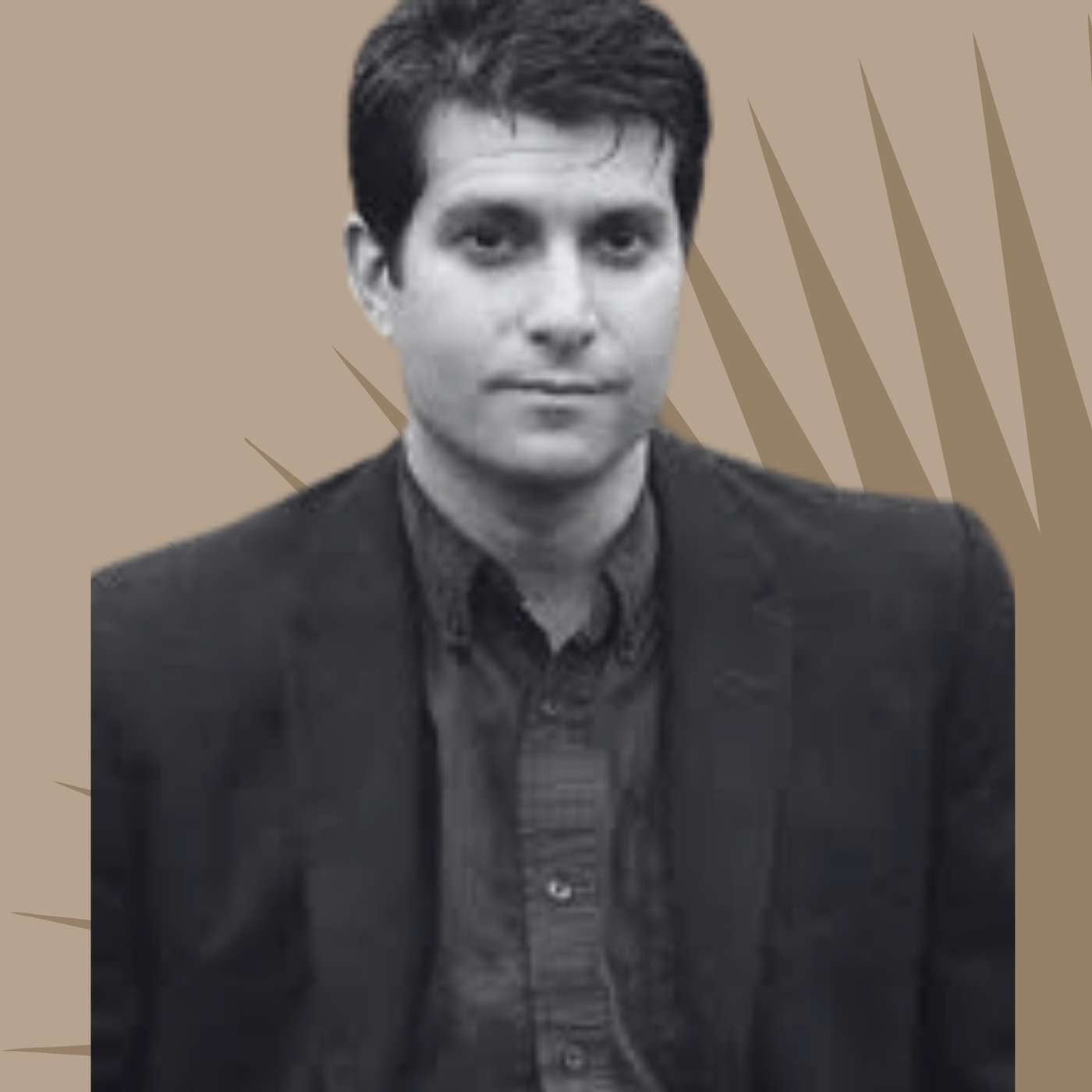
Politics in the Age of Total Control: Jacob Siegel on the Information State that Came Home episode artwork

EPISODE · Mar 25, 2026 · 50 MIN

Politics in the Age of Total Control: Jacob Siegel on the Information State that Came Home

from Keen On America · host Andrew Keen

“What conclusion do you draw if you see a system that continues to grow more powerful despite failing at the things it says it’s going to accomplish?” — Jacob SiegelJacob Siegel grew up in Brooklyn, studied history at Boston University, enlisted in the US Army after September 11, and fought in Iraq and Afghanistan. In Afghanistan, as an intelligence officer, he had the latest drones, sensors, Palantir databases, and predictive models at his fingertips — but still couldn’t get a coherent answer about what, exactly, America was trying to accomplish in its war with the Taliban. To him, the technology was as extraordinary as the incoherence of the war.In his new book, The Information State: Politics in the Age of Total Control, Siegel argues that within a few years of coming home, those same tools were being used on American citizens. This “Information State” was born in Herat and Kandahar. It came home to our iPhones.But Siegel’s Information State isn’t the conventional leftist critique of Big Tech. Siegel argues that the Obama administration elevated the war on terror’s surveillance apparatus into an art of progressive government — not as Orwellian censors but through a sprawling network of NGOs, fact-checkers, and media organisations that made authoritarian control look like liberal consensus. Ben Rhodes, one of the principal architects of the Information State, called it the echo chamber. Trump’s version is cruder, more monarchical, more wannabe Orwellian. But the infrastructure, Siegel says, is the Internet itself. Digital society has spawned its own form of government regardless of who’s in charge. This Kafkaesque system grows more powerful despite failing at everything it claims to do. You may not be interested in the Information State, but it sure is interested in you. Such is politics in the age of total control. Five Takeaways•       The War on Terror’s Tools Came Home: Siegel was an intelligence officer in Afghanistan with drones, sensors, Palantir, and predictive databases at his fingertips — and couldn’t get a straight answer about what America was trying to accomplish. Within a few years of returning, those same tools were being used on American citizens. The information state was born in Herat and Kandahar.•       Obama Built It. Trump Inherited It. Neither Owns It: The Obama administration elevated the war on terror’s surveillance tools into an art of government — not as Orwellian censors but through a progressive gloss of rationality and correct social ideals. Trump’s version is cruder, more monarchical, more direct. But the infrastructure is the Internet itself. Digital society spawns its own form of government regardless of who’s in charge.•       The System Grows More Powerful by Failing: This is the Kafkaesque horror at the heart of the book. A system that never achieves its stated goals — winning in Afghanistan, rationalising society, controlling public opinion — yet continues to grow larger and more powerful. If a system is rewarded for failing, the system itself has become the purpose.•       Twitter Under Musk Is a Horrifying Factory of Schizophrenia: Siegel is no Musk apologist. He thinks the early campaign against mass censorship was a good step. But the result — Musk’s Twitter — is social dissolution, not liberation. Removing government control didn’t solve the fundamental problem of how we mediate social relations online.•       The Human Subject Has Been Diminished: The digital world has relocated human agency into opaque systems. The crisis of the American man — and, Siegel concedes, of the American woman too — is bound up with a technological transformation on the order of the printing press. Industrial-era social relations cannot persist under digital conditions. The information state is the first draft of what comes next. About the GuestJacob Siegel is a contributing editor at Tablet magazine and co-editor of the anthology Fire and Forget: Short Stories from the Long War. He served as a US Army officer in Iraq and Afghanistan. The Information State is published by Henry Holt.References:•       The Information State by Jacob Siegel (Henry Holt, 2026) — the book under discussion.•       Episode 2845: Let’s Ban Billionaires — Noam Cohen on the Know-It-Alls and the theft of civilisation. Siegel’s argument from the other side.•       Episode 2847: America’s Suez Moment? — Soli Özel on the Iran war. The information state meets real war.About Keen On AmericaNobody asks more awkward questions than the Anglo-American writer and filmmaker Andrew Keen. In Keen On America, Andrew brings his pointed Transatlantic wit to making sense of the United States — hosting daily interviews about the history and future of this now venerable Republic. With nearly 2,800 episodes since the show launched on TechCrunch in 2010, Keen On America is the most prolific intellectual interview show in the history of podcasting.WebsiteSubstackYouTubeApple PodcastsSpotify Chapters:(00:00) - Introduction: the wages of bitterness and the information state (02:52) - Brooklyn, Boston University, and the unfocused student (05:05) - September 11 and the American man who enlisted (06:02) - Anatole Broyard, not Nathan Zuckerman (08:09) - McCarthy, the Red Scare, and the fertile fifties (11:17) - Iraq, Afghanistan, and the disjunction between technology and war (14:44) - Palantir, drones, and the dream of total control (15:45) - The war on terror’s tools come home to America (17:00) - Obama’s progressive information state: not Orwellian, worse (20:35) - Six Espionage Act prosecutions and the echo chamber (28:09) - Trump’s quasi-monarchical version vs. Obama’s sprawl (32:10) - Gramsci, cultural hegemony, and the single national ruling class (34:02) - The Kafkaesque horror: a system that grows by failing (43:50) - Twitter under Musk: a horrifying factory of schizophrenia (44:32) - The crisis of the American man and the diminished human subject  

“What conclusion do you draw if you see a system that continues to grow more powerful despite failing at the things it says it’s going to accomplish?” — Jacob SiegelJacob Siegel grew up in Brooklyn, studied history at Boston University, enlisted in the US Army after September 11, and fought in Iraq and Afghanistan. In Afghanistan, as an intelligence officer, he had the latest drones, sensors, Palantir databases, and predictive models at his fingertips — but still couldn’t get a coherent answer about what, exactly, America was trying to accomplish in its war with the Taliban. To him, the technology was as extraordinary as the incoherence of the war.In his new book, The Information State: Politics in the Age of Total Control, Siegel argues that within a few years of coming home, those same tools were being used on American citizens. This “Information State” was born in Herat and Kandahar. It came home to our iPhones.But Siegel’s Information State isn’t the conventional leftist critique of Big Tech. Siegel argues that the Obama administration elevated the war on terror’s surveillance apparatus into an art of progressive government — not as Orwellian censors but through a sprawling network of NGOs, fact-checkers, and media organisations that made authoritarian control look like liberal consensus. Ben Rhodes, one of the principal architects of the Information State, called it the echo chamber. Trump’s version is cruder, more monarchical, more wannabe Orwellian. But the infrastructure, Siegel says, is the Internet itself. Digital society has spawned its own form of government regardless of who’s in charge. This Kafkaesque system grows more powerful despite failing at everything it claims to do. You may not be interested in the Information State, but it sure is interested in you. Such is politics in the age of total control. Five Takeaways•       The War on Terror’s Tools Came Home: Siegel was an intelligence officer in Afghanistan with drones, sensors, Palantir, and predictive databases at his fingertips — and couldn’t get a straight answer about what America was trying to accomplish. Within a few years of returning, those same tools were being used on American citizens. The information state was born in Herat and Kandahar.•       Obama Built It. Trump Inherited It. Neither Owns It: The Obama administration elevated the war on terror’s surveillance tools into an art of government — not as Orwellian censors but through a progressive gloss of rationality and correct social ideals. Trump’s version is cruder, more monarchical, more direct. But the infrastructure is the Internet itself. Digital society spawns its own form of government regardless of who’s in charge.•       The System Grows More Powerful by Failing: This is the Kafkaesque horror at the heart of the book. A system that never achieves its stated goals — winning in Afghanistan, rationalising society, controlling public opinion — yet continues to grow larger and more powerful. If a system is rewarded for failing, the system itself has become the purpose.•       Twitter Under Musk Is a Horrifying Factory of Schizophrenia: Siegel is no Musk apologist. He thinks the early campaign against mass censorship was a good step. But the result — Musk’s Twitter — is social dissolution, not liberation. Removing government control didn’t solve the fundamental problem of how we mediate social relations online.•       The Human Subject Has Been Diminished: The digital world has relocated human agency into opaque systems. The crisis of the American man — and, Siegel concedes, of the American woman too — is bound up with a technological transformation on the order of the printing press. Industrial-era social relations cannot persist under digital conditions. The information state is the first draft of what comes next. About the GuestJacob Siegel is a contributing editor at Tablet magazine and co-editor of the anthology Fire and Forget: Short Stories from the Long War. He served as a US Army officer in Iraq and Afghanistan. The Information State is published by Henry Holt.References:•       The Information State by Jacob Siegel (Henry Holt, 2026) — the book under discussion.•       Episode 2845: Let’s Ban Billionaires — Noam Cohen on the Know-It-Alls and the theft of civilisation. Siegel’s argument from the other side.•       Episode 2847: America’s Suez Moment? — Soli Özel on the Iran war. The information state meets real war.About Keen On AmericaNobody asks more awkward questions than the Anglo-American writer and filmmaker Andrew Keen. In Keen On America, Andrew brings his pointed Transatlantic wit to making sense of the United States — hosting daily interviews about the history and future of this now venerable Republic. With nearly 2,800 episodes since the show launched on TechCrunch in 2010, Keen On America is the most prolific intellectual interview show in the history of podcasting.WebsiteSubstackYouTubeApple PodcastsSpotify Chapters:(00:00) - Introduction: the wages of bitterness and the information state (02:52) - Brooklyn, Boston University, and the unfocused student (05:05) - September 11 and the American man who enlisted (06:02) - Anatole Broyard, not Nathan Zuckerman (08:09) - McCarthy, the Red Scare, and the fertile fifties (11:17) - Iraq, Afghanistan, and the disjunction between technology and war (14:44) - Palantir, drones, and the dream of total control (15:45) - The war on terror’s tools come home to America (17:00) - Obama’s progressive information state: not Orwellian, worse (20:35) - Six Espionage Act prosecutions and the echo chamber (28:09) - Trump’s quasi-monarchical version vs. Obama’s sprawl (32:10) - Gramsci, cultural hegemony, and the single national ruling class (34:02) - The Kafkaesque horror: a system that grows by failing (43:50) - Twitter under Musk: a horrifying factory of schizophrenia (44:32) - The crisis of the American man and the diminished human subject

NOW PLAYING

Politics in the Age of Total Control: Jacob Siegel on the Information State that Came Home

0:00 50:22

No transcript for this episode yet

We transcribe on demand. Request one and we'll notify you when it's ready — usually under 10 minutes.

The Small Business Startup School – Business Notes | Financial Literacy | Retail Psychology – For Professionals & Entrepreneurs The Small Business Startup School Inc. Starting or buying a small business? While personal circumstances may vary, business patterns remain timeless. On The Small Business Startup School, we explore strategies, insights, and practical solutions to help entrepreneurs confidently navigate their journey.Hosted by Ola Williams—a retail entrepreneur, fintech founder, and financial coach with over two decades of experience—this podcast marries financial awareness and retail psychology with optimism to deliver actionable takeaways.Join us to learn, grow, and connect as we uncover the keys to business success.Let’s continue to learn together and be encouraged to keep on connecting! PodQuesting Dwight J Randolph- WolfShield Media PodQuesting: -By WolfShield Media and Dwight J RandolphJoin us on an exciting journey to master the world of fiction podcasting! At PodQuesting, we document our quest to improve and innovate, sharing valuable insights, strategies, and behind-the-scenes tips along the way. Whether you're an experienced podcaster or just starting your first show, our podcast is your go-to resource for everything podcasting.Discover practical advice, creative techniques, and lessons from our own experiences as we explore the ever-evolving podcasting landscape. Ready to level up your skills and embark on this adventure with us? Tune in and join the quest!Have questions or feedback? Reach out to us at [email protected] and visit our website:WolfShield.Media LIGHTS, CAMERA, SMILE! Creatives Club Media Lights, Camera, Smile, is a podcast for anyone with a dream to share something with the world, out of the overflow of themselves - be it their mind, their heart, their personalities, and much more. Each of us are alive in this moment in time, with an innate ability to have ideas and create various things to benefit both ourselves and the people around us for a reason, and here, you will find the encouragement, the inspiration, and the motivation to do just that. Hosted by Cicily, founder of Creatives Club, she dives into various topics surrounding creativity and business. Exploring entrepreneurship for creatives in a corporate reality, sharing tips and tricks in a media centered company, answering questions regarding what a creative actually is are just a few of the things discussed on this podcast. Be encouraged to create for yourself as Cicily gets vulnerable by pivoting the camera to herself for the first time.To submit questions for Cicily to answer, or have her address certain t Kaizen Blueprint Aldo Chandra "Kaizen" is a Japanese term for continuous improvement. This podcast provides a blueprint to learn about health, wealth, relationships and everything else in between. Through our podcast, we strive to inspire, educate, and motivate our audience to cultivate a mindset of lifelong learning, productivity, and personal development. By sharing insights, strategies, and practical tips, we aim to guide listeners on their journey towards realizing their fullest potential, fostering success, and creating lasting positive change.

Frequently Asked Questions

How long is this episode of Keen On America?

This episode is 50 minutes long.

When was this Keen On America episode published?

This episode was published on March 25, 2026.

What is this episode about?

“What conclusion do you draw if you see a system that continues to grow more powerful despite failing at the things it says it’s going to accomplish?” — Jacob SiegelJacob Siegel grew up in Brooklyn, studied history at Boston University, enlisted in...

Is there a transcript available for this episode?

Yes, a full transcript is available for this episode. You can read the complete transcript on the episode page.

Can I download this Keen On America episode?

Yes, you can download this episode by clicking the download button on the episode player, or subscribe to the podcast in your preferred podcast app for automatic downloads.
URL copied to clipboard!