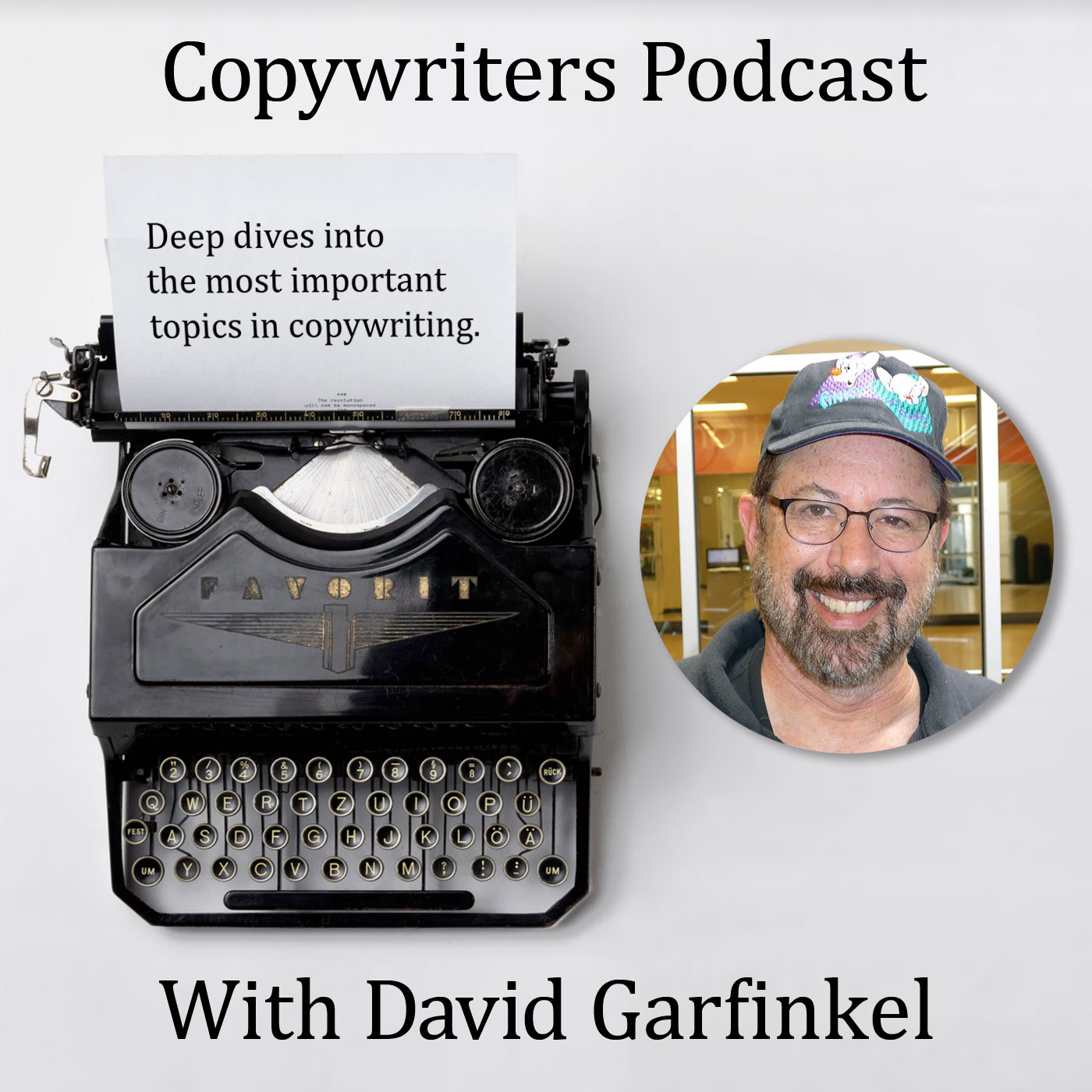
Post-Literacy Copywriting episode artwork

EPISODE · Jun 22, 2020 · 26 MIN

Post-Literacy Copywriting

from Copywriters Podcast · host David Garfinkel

If you’ve noticed that your copy isn’t converting recently as well as it used to, maybe it’s too complicated to read. Now, copywriting experts have been saying what I just said since the time of Claude Hopkins, more than 100 years ago. Which is since the dawn of time, as far as direct-response copywriting goes. But in the last few years, things have changed. Simply writing less complicated copy isn’t good enough, because the way people read has been altered. People now read by text messages. By Facebook. By Instagram. By Youtube. Some people I find worth listening to are saying that people’s brains have changed. It’s not my original idea, and I’ll get into this in more detail in just a little bit. But the way we’re spending so much time with our screens is literally rewiring our neural pathways, and this changes our brains. Which changes the way we read. I’m gonna say that, as marketers and copywriters, we have been living in a world that is not as literate as it used to be, and this is by a wide margin. Since we can’t customize our copy for every individual reader, we have to pick one person to represent all of them. And I think the reality is, in a lot of cases, that one person, that avatar, is someone I would call post-literate. Post-literate. Not illiterate. Post-literate means they can read, but they don’t want to. Maybe not the way that you do. They don’t want to have to focus very much at all. They don’t have patience for anything too complicated. So, the market is not the same level of literate that we used to think we could write to and sell. On average. Of course, there are some 15-year-olds who sound like Oxford professors when they speak. But I’m talking about the market in general, the broad swath of people who might buy your offer. The target prospect you are trying to reach, for most businesses. We’ll look at what’s happening and why. I’m also going to suggest three simple, powerful things you can do in the way you write your copy that will reach the increasing post-literate portion of your market, and will work just as well with the literate members of your market as it always did. Here are some of the many topics we covered in today’s show: Multitasking The shrinking percentage of the market that can still read Something Gene Schwartz said (long before the current situation arrived) that could be very helpful now How farm animals think (and why that matters to marketers and copywriters) Our genetic need for storytelling — a key to reaching “non-readers” Three easy changes you can make to your copy to reach more prospects. One article and three books mentioned on today’s show: Adam Garfinkle article: https://www.nationalaffairs.com/publications/detail/the-erosion-of-deep-literacy The Brilliance Breakthrough, by Gene Schwartz: https://brilliancebreakthroughbook.com Thinking in Pictures, by Temple Grandin: https://www.amazon.com/dp/B001ODEQS4 Wired for Story, by Lisa Cron https://www.amazon.com/Wired-Story-Writers-Science-Sentence-ebook/dp/B005X0JTGIDownload.

If you’ve noticed that your copy isn’t converting recently as well as it used to, maybe it’s too complicated to read. Now, copywriting experts have been saying what I just said since the time of Claude Hopkins, more than 100 years ago. Which is since the dawn of time, as far as direct-response copywriting goes. But in the last few years, things have changed. Simply writing less complicated copy isn’t good enough, because the way people read has been altered. People now read by text messages. By Facebook. By Instagram. By Youtube. Some people I find worth listening to are saying that people’s brains have changed. It’s not my original idea, and I’ll get into this in more detail in just a little bit. But the way we’re spending so much time with our screens is literally rewiring our neural pathways, and this changes our brains. Which changes the way we read. I’m gonna say that, as marketers and copywriters, we have been living in a world that is not as literate as it used to be, and this is by a wide margin. Since we can’t customize our copy for every individual reader, we have to pick one person to represent all of them. And I think the reality is, in a lot of cases, that one person, that avatar, is someone I would call post-literate. Post-literate. Not illiterate. Post-literate means they can read, but they don’t want to. Maybe not the way that you do. They don’t want to have to focus very much at all. They don’t have patience for anything too complicated. So, the market is not the same level of literate that we used to think we could write to and sell. On average. Of course, there are some 15-year-olds who sound like Oxford professors when they speak. But I’m talking about the market in general, the broad swath of people who might buy your offer. The target prospect you are trying to reach, for most businesses. We’ll look at what’s happening and why. I’m also going to suggest three simple, powerful things you can do in the way you write your copy that will reach the increasing post-literate portion of your market, and will work just as well with the literate members of your market as it always did. Here are some of the many topics we covered in today’s show: Multitasking The shrinking percentage of the market that can still read Something Gene Schwartz said (long before the current situation arrived) that could be very helpful now How farm animals think (and why that matters to marketers and copywriters) Our genetic need for storytelling — a key to reaching “non-readers” Three easy changes you can make to your copy to reach more prospects. One article and three books mentioned on today’s show: Adam Garfinkle article: https://www.nationalaffairs.com/publications/detail/the-erosion-of-deep-literacy The Brilliance Breakthrough, by Gene Schwartz: https://brilliancebreakthroughbook.com Thinking in Pictures, by Temple Grandin: https://www.amazon.com/dp/B001ODEQS4 Wired for Story, by Lisa Cron https://www.amazon.com/Wired-Story-Writers-Science-Sentence-ebook/dp/B005X0JTGIDownload.

NOW PLAYING

Post-Literacy Copywriting

0:00 26:36

No transcript for this episode yet

We transcribe on demand. Request one and we'll notify you when it's ready — usually under 10 minutes.

Big Old Life: Heather Blackbird interviews people on planet earth. Heather Blackbird loves asking questions. This podcast is a learning experience. Join me, Heather Blackbird, as I talk to people about their lives. Frequency of new episodes is a little all over the place and I'm learning as I go. Big Old Life is a small way of talking about the vastness of life, one person at a time. If you are reading this or found this podcast it's probably because someone you know gave you a link to it. :) Explicit The Sacred +Profane Podcast nephtaragrace The Sacred + Profane Podcast is a provocative conversation dedicated to cementing a better future for all. We specialize in unpacking the nuances of what is considered sacred and profane, particularly focusing on sex, death, and all that pertains to the circle of life. Our aim in focusing on such ”taboo” subject matter is to demystify what is unconscious, bring to light what has been known for centuries as ”the occult,” and empower the rapid transformation that is occurring on the Planet. Explicit Undeniable w/ Braxton Curtis Braxton Curtis The official Podcast of Braxton Curtis.A Father, Husband, and Business Owner just trying to figure it all out. Explicit Bitcoin Gateway Lea meakin Welcome to Bitcoin Gateway, the podcast where we dive deep into the world of Bitcoin, hosted by Lea Meakin. This show is for anyone who’s ever felt overwhelmed by the complex world of cryptocurrencies and wants a simple, straightforward explanation. Each episode, we’ll break down the basics of Bitcoin, explore its history, and discuss its potential impact on the future of finance. Whether you’re a complete beginner or just looking to expand your knowledge, Bitcoin Gateway is here to help you understand Bitcoin, one episode at a time. Explicit

Frequently Asked Questions

How long is this episode of Copywriters Podcast?

This episode is 26 minutes long.

When was this Copywriters Podcast episode published?

This episode was published on June 22, 2020.

What is this episode about?

If you’ve noticed that your copy isn’t converting recently as well as it used to, maybe it’s too complicated to read. Now, copywriting experts have been saying what I just said since the time of Claude Hopkins, more than 100 years ago. Which is...

Can I download this Copywriters Podcast episode?

Yes, you can download this episode by clicking the download button on the episode player, or subscribe to the podcast in your preferred podcast app for automatic downloads.
URL copied to clipboard!