
EPISODE · Dec 16, 2024 · 17 MIN
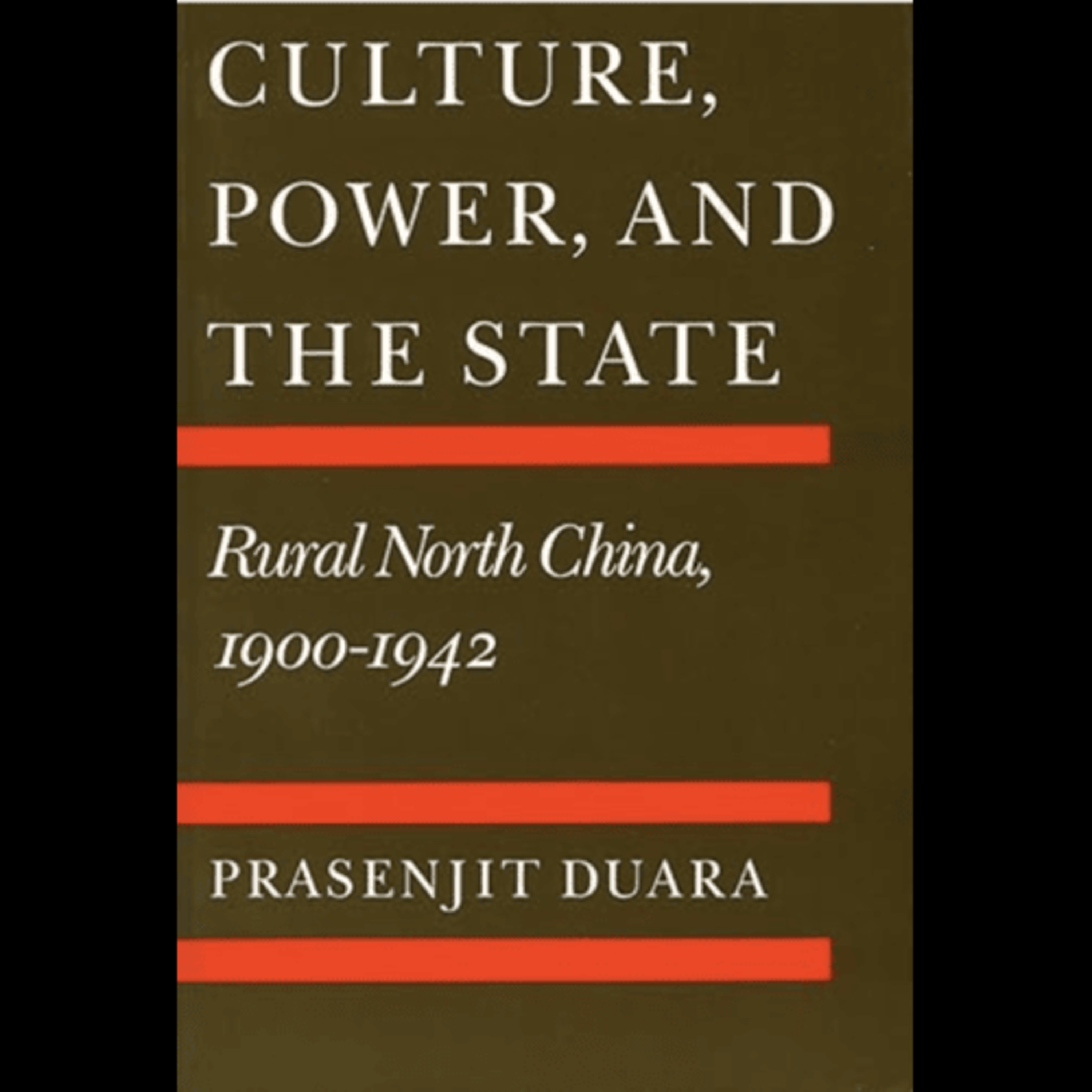
Prasenjit Duara, "Culture, Power, and the State: Rural North China, 1900-1942," (Stanford University Press, 1991)
from The New East Asian Studies Podcasts in the Age of AI · host Barton Qian
In the early twentieth century, the Chinese state made strenuous efforts to broaden and deepen its authority over rural society. This book is an ambitious attempt to offer both a method and a framework for analyzing Chinese social history in the state-making era. The author constructs a prismatic view of village-level society that shows how marketing, kinship, water control, temple patronage, and other structures of human interaction overlapped to form what he calls the cultural nexus of power in local society. The author's concept of the cultural nexus and his tracing of how it was altered enables us for the first time to grapple with change at the village level in all its complexity. The author asserts that the growth of the state transformed and delegitimized the traditional cultural nexus during the Republican era, particularly in the realm of village leadership and finances. Thus, the expansion of state power was ultimately and paradoxically responsible for the revolution in China as it eroded the foundations of village life, leaving nothing in its place. The problems of state-making in China were different from those of eighteenth- and nineteenth-century Europe; the Chinese experience heralds the process that would become increasingly common in the emergent states of the developing world under the very different circumstances of the twentieth century. East Asian Studies Podcast Chinese History Podcast State-making in early 20th century China Chinese social history Rural society in Republican China Village leadership in China Cultural nexus of power in Chinese villages Marketing and kinship in rural China Water control and temple patronage State expansion and village transformation Chinese state authority over rural areas Republican era social changes in China Chinese village finances and leadership Social structures in Chinese history Impact of state-making on Chinese villages Chinese revolution and rural foundations Traditional vs. modern Chinese state power Rural governance in Republican China Transformation of Chinese village society State-building in developing nations Chinese rural leadership decline Village-level social interactions in China Early 20th century Chinese governance Historical analysis of Chinese state formation
Embed this episode
NOW PLAYING
Prasenjit Duara, "Culture, Power, and the State: Rural North China, 1900-1942," (Stanford University Press, 1991)
No transcript for this episode yet
Similar Episodes
No similar episodes found.
Similar Podcasts
No similar podcasts found.