Pre-Reading episode artwork

EPISODE · Mar 30, 2026 · 20 MIN

Pre-Reading

from High Theory · host High Theory

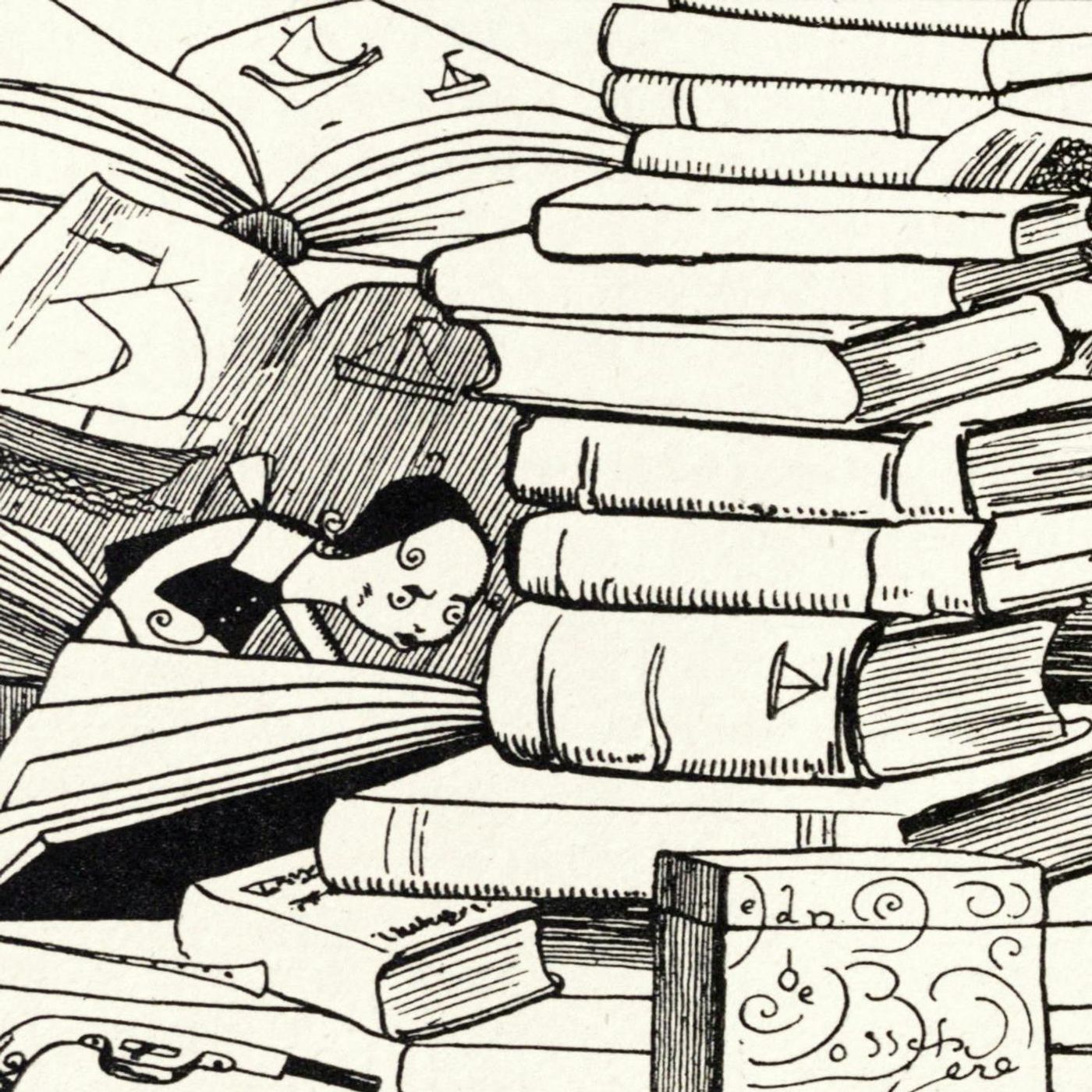
In this episode of High Theory, Milan Terlunen talks to Kim about Pre-Reading. There are many books we will never read and films we will never watch, but it turns out we know quite a bit about them in advance. A concept developed in his work on the plot twist, pre-reading names the epistemic practices by which we approach a text before we read it (if we ever do). The pre-reading environment is shared, social knowledge that shapes our expectations long before we open the cover or hit play. This podcast episode forms part of the pre-reading environment for Milan’s article, "What We Can(’t) Know Before We Read: Towards a Theory of the Pre-Reading Environment" (Book History 27, no. 2 (2024): 346-374). The article proposes the Pre-Reading Environment as a new object of study for understanding how texts relate to communal knowledge. While easily overlooked by scholars, equipped with fuller knowledge derived from their own reading, Pre-Reading Environments are among the most widespread epistemic objects in book history. Turning to two literary texts, Agatha Christie’s The Murder of Roger Ackroyd (1926) and Hanya Yanagihara’s A Little Life (2015), the article examines how their respective Pre-Reading Environments, in newspapers and on Twitter, strategically concealed key plot points that might pre-emptively spoil the experience of potential readers. The transcript of this episode lives here as a WordDoc and here as a PDF. Milan Terlunen is a scholar of literature, with a focus on narrative and the history of reading practices. He works as a Researcher in Digital Humanities at the University of Sussex. While a PhD student at Columbia University he co-created and hosted two podcasts – How To Read and In Sacred Spaces – and co-founded the Humanities Podcast Network in 2021, where he met Kim and Saronik. He is also an editor of the Palgrave Handbook of Humanities Podcasting, a huge project that he ran along with Kim, Saronik, and Beth Kramer. A book about podcasting would not be complete without its own podcast. Keep your ears peeled for Podcasting the Humanities later this year. The image for this episode is an illustration from Jean de Bosschère’s Weird Islands (1921), titled “Read Books on Practical Navigation.” It is a line drawing showing a reader swamped by piles of books. The image was found for High Theory by Lili Epstein on the Public Domain Image Archive. Learn more about your ad choices. Visit megaphone.fm/adchoices

In this episode of High Theory, Milan Terlunen talks to Kim about Pre-Reading. There are many books we will never read and films we will never watch, but it turns out we know quite a bit about them in advance. A concept developed in his work on the plot twist, pre-reading names the epistemic practices by which we approach a text before we read it (if we ever do). The pre-reading environment is shared, social knowledge that shapes our expectations long before we open the cover or hit play. This podcast episode forms part of the pre-reading environment for Milan’s article, "What We Can(’t) Know Before We Read: Towards a Theory of the Pre-Reading Environment" (Book History 27, no. 2 (2024): 346-374). The article proposes the Pre-Reading Environment as a new object of study for understanding how texts relate to communal knowledge. While easily overlooked by scholars, equipped with fuller knowledge derived from their own reading, Pre-Reading Environments are among the most widespread epistemic objects in book history. Turning to two literary texts, Agatha Christie’s The Murder of Roger Ackroyd (1926) and Hanya Yanagihara’s A Little Life (2015), the article examines how their respective Pre-Reading Environments, in newspapers and on Twitter, strategically concealed key plot points that might pre-emptively spoil the experience of potential readers. The transcript of this episode lives here as a WordDoc and here as a PDF. Milan Terlunen is a scholar of literature, with a focus on narrative and the history of reading practices. He works as a Researcher in Digital Humanities at the University of Sussex. While a PhD student at Columbia University he co-created and hosted two podcasts – How To Read and In Sacred Spaces – and co-founded the Humanities Podcast Network in 2021, where he met Kim and Saronik. He is also an editor of the Palgrave Handbook of Humanities Podcasting, a huge project that he ran along with Kim, Saronik, and Beth Kramer. A book about podcasting would not be complete without its own podcast. Keep your ears peeled for Podcasting the Humanities later this year. The image for this episode is an illustration from Jean de Bosschère’s Weird Islands (1921), titled “Read Books on Practical Navigation.” It is a line drawing showing a reader swamped by piles of books. The image was found for High Theory by Lili Epstein on the Public Domain Image Archive. Learn more about your ad choices. Visit megaphone.fm/adchoices

NOW PLAYING

Pre-Reading

0:00 20:17

No transcript for this episode yet

We transcribe on demand. Request one and we'll notify you when it's ready — usually under 10 minutes.

Chewing the Fat with WorkForge WorkForge Bite-Sized Conversations for Building a Stronger Workforce Welcome to Chewing the Fat, a podcast delving deep into the world of food manufacturing. Dive into real conversations around critical topics like staffing, retention, onboarding, and career development in this essential industry. Subscribe now to gain insights from your peers, subject matter experts and more on the biggest issues facing food manufacturers today: -Hiring and retaining employees -Addressing the challenges of the Silver Tsunami -Improving time to productivity of new employees -Engaging employees from hire to retire And more... Tune in to Chewing the Fat, a WorkForge podcast, and join the conversation on how to build and sustain a resilient, high-performing workforce in food manufacturing. Sermons | Countryside Bible Church Countryside Bible Church At Countryside Bible Church, we equip believers to joyfully live holy lives, to serve one another, and to share the gospel of Jesus Christ, all to the glory of God. We are committed to a high view of God, and a high view of Scripture. IT IS WHAT IT IS with SHALLZ - SHALLY ZOMORODI Shally Zomorodi What?  "It is what it is" with ShallZ – Shally ZomorodiWhen? WeeklyHow long? 35 minutesEvery week, Mother of 4, wife, morning TV news anchor and ultimate hostess, Shally Zomorodi talks about life - its up's and downs and how to stay on track in her weekly podcast, ‘It is what it is.’  Known for her high energy, infectious smile and ability to see the cup as half full Shally talks about all things in life and how to work through its challenges. From parenting, marriage, friendships, current events to how to smile when it just seems impossible ‘It is what it is’ is the perfect podcast to help inspire you to dance through the rain. The Syndicate Blogcast: Startups | Startup Investing | Tech News | Angel Investors | VC | Venture Capital | Private Equity | Crowdfunding | Fundraising Matt Ward - Serial Entrepreneur | Angel Investor | Startup Advisor | Amazon Ecommerce The Syndicate Blogcast show is an extension of The Syndicate podcast, featuring long form articles on the future technology, ecommerce, business and life. The mini-sodes deconstruct high level startup, business and tech issues to help investors and operators better understand and win the market. Recurring topics include: Facebook, Google, Amazon, Apple, Ecommerce, Blockchains, ICOs, Cryptocurrencies, Marketing, Fundraising, Venture Capital, Startup Challenges, Business Development and more. The Blogcast comes in addition to The Syndicate - the place where investors and startups combine to create crazy businesses and even crazier returns. The Syndicate podcast is a deep dive on the angel investors and VCs behind the big name startups. We interview the best and brightest investors, syndicate leads, GPs, limited partners and startup founders to create an original, off the cuff discussion on startup investing.

Frequently Asked Questions

How long is this episode of High Theory?

This episode is 20 minutes long.

When was this High Theory episode published?

This episode was published on March 30, 2026.

What is this episode about?

In this episode of High Theory, Milan Terlunen talks to Kim about Pre-Reading. There are many books we will never read and films we will never watch, but it turns out we know quite a bit about them in advance. A concept developed in his work on the...

Can I download this High Theory episode?

Yes, you can download this episode by clicking the download button on the episode player, or subscribe to the podcast in your preferred podcast app for automatic downloads.
URL copied to clipboard!