Presidential Executive Orders Explained episode artwork

EPISODE · Dec 21, 2024 · 33 MIN

Presidential Executive Orders Explained

from Law School · host The Law School of America

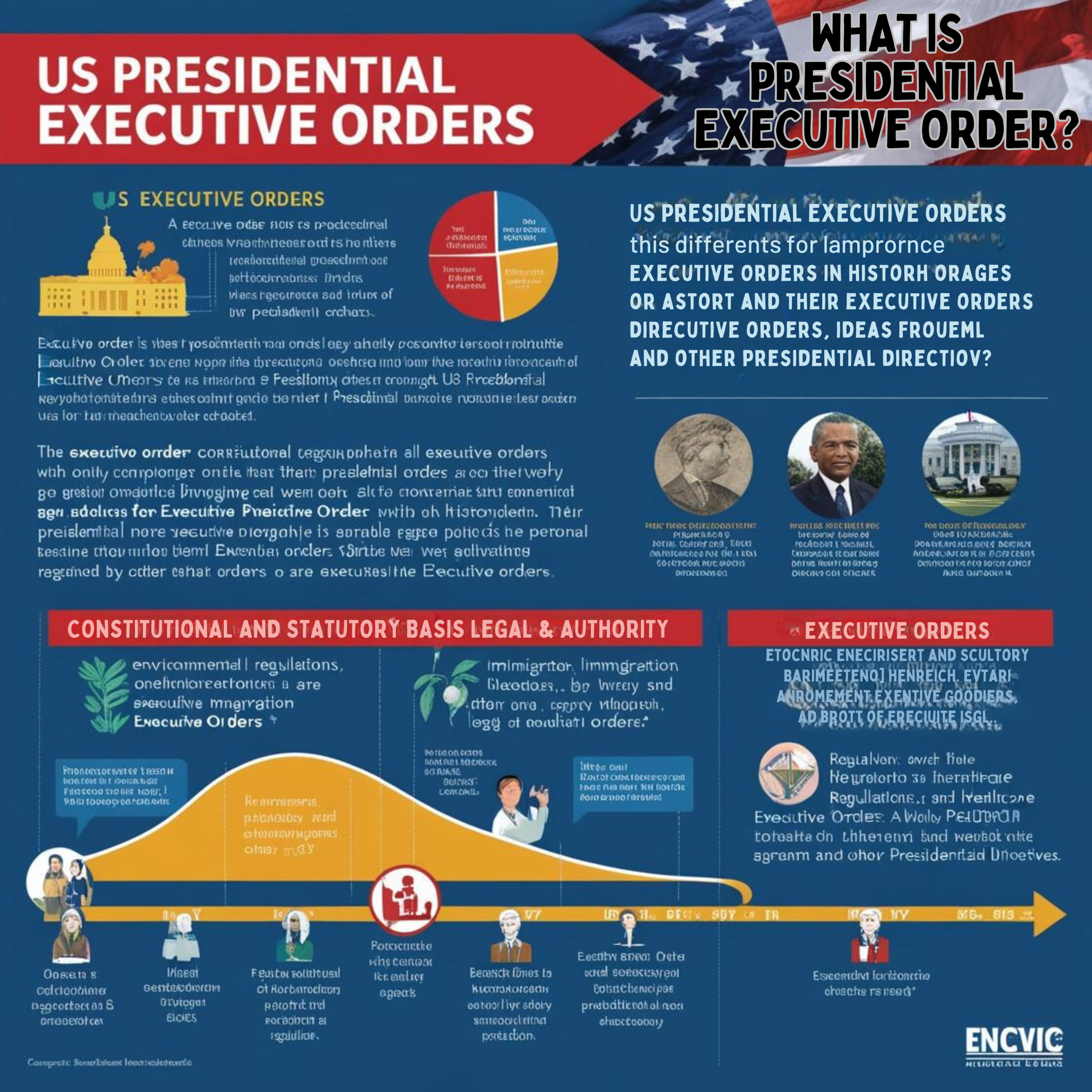
Executive Orders What are they? Presidential Executive Orders are official directives issued by the President of the United States to manage and direct the operations of the federal government. They instruct federal agencies on how to implement laws and policies, and are not meant to create new laws, but provide instructions on how existing laws are to be applied and enforced. Executive orders carry the force of law and are legally binding. Other Presidential Directives Proclamations: These are often ceremonial or symbolic and lack the legal weight of Executive Orders. Presidential Memoranda: These are generally less formal and typically address internal agency matters, rather than broad policy directives. Executive Agreements: Used for international relations and do not carry the force of law within the U.S.; they also do not require Senate approval like treaties. Constitutional and Statutory Basis The President's authority to issue Executive Orders stems from Article II, Section 1 of the U.S. Constitution, which grants the President broad executive power to ensure the laws are faithfully executed. This is an implied power, not explicitly stated. Congress often passes laws that delegate specific powers to the executive branch, empowering the President to take actions necessary to implement and enforce those laws. Range and Scope Executive Orders address a wide range of issues, from national security and environmental protection to immigration and economic policy. While they cannot create new laws, they can create new policies within the scope of existing legislation and modify or reverse existing policies set by prior administrations. Executive Orders often instruct federal agencies to take specific actions to ensure their operations align with the administration's objectives. Checks and Balances Presidents can revoke or modify their own or their predecessors' Executive Orders, allowing for policy shifts with changes in administration. Congress can pass legislation to counteract or restrict the impact of an Executive Order, as long as they are acting within their constitutional authority. Courts can strike down Executive Orders that are deemed unconstitutional or that exceed the President’s authority. The US government's system of checks and balances prevents the misuse of Executive Orders, involving legislative, judicial, and public opinion elements. Impact on Daily Life Executive Orders have a tangible impact on everyday life, often in ways that are not immediately obvious. The document specifically notes the effects of Executive Orders on Environmental regulations, Immigration policies, Healthcare Access, and Economic regulations. Understanding executive orders is crucial for engaged citizenship, enabling people to hold their leaders accountable. Key Facts Executive Orders are legally binding presidential directives. They are a primary tool for Presidential management of federal agencies. Executive Orders do not create new laws but guide the implementation of existing ones. They can be revoked or modified by the President. They are subject to judicial review and congressional oversight. They have a wide-ranging impact on daily life. The US Constitution does not explicitly mention Executive Orders, but they are based on an interpretation of implied executive power. Executive Orders have been used throughout US history for a variety of issues ranging from declarations of freedom to the creation of government agencies. Conclusion Executive Orders are a significant and powerful tool that Presidents use to shape national policy and federal operations. Understanding how they work, their limitations, and the checks and balances in place to prevent abuse of power is essential for all citizens. The ability of the average person to access information on the specifics of Executive Orders, and to understand them, is crucial to engaging in the democratic process and exercising effective civic responsibility.

Executive Orders What are they? Presidential Executive Orders are official directives issued by the President of the United States to manage and direct the operations of the federal government. They instruct federal agencies on how to implement laws and policies, and are not meant to create new laws, but provide instructions on how existing laws are to be applied and enforced. Executive orders carry the force of law and are legally binding. Other Presidential Directives Proclamations: These are often ceremonial or symbolic and lack the legal weight of Executive Orders. Presidential Memoranda: These are generally less formal and typically address internal agency matters, rather than broad policy directives. Executive Agreements: Used for international relations and do not carry the force of law within the U.S.; they also do not require Senate approval like treaties. Constitutional and Statutory Basis The President's authority to issue Executive Orders stems from Article II, Section 1 of the U.S. Constitution, which grants the President broad executive power to ensure the laws are faithfully executed. This is an implied power, not explicitly stated. Congress often passes laws that delegate specific powers to the executive branch, empowering the President to take actions necessary to implement and enforce those laws. Range and Scope Executive Orders address a wide range of issues, from national security and environmental protection to immigration and economic policy. While they cannot create new laws, they can create new policies within the scope of existing legislation and modify or reverse existing policies set by prior administrations. Executive Orders often instruct federal agencies to take specific actions to ensure their operations align with the administration's objectives. Checks and Balances Presidents can revoke or modify their own or their predecessors' Executive Orders, allowing for policy shifts with changes in administration. Congress can pass legislation to counteract or restrict the impact of an Executive Order, as long as they are acting within their constitutional authority. Courts can strike down Executive Orders that are deemed unconstitutional or that exceed the President’s authority. The US government's system of checks and balances prevents the misuse of Executive Orders, involving legislative, judicial, and public opinion elements. Impact on Daily Life Executive Orders have a tangible impact on everyday life, often in ways that are not immediately obvious. The document specifically notes the effects of Executive Orders on Environmental regulations, Immigration policies, Healthcare Access, and Economic regulations. Understanding executive orders is crucial for engaged citizenship, enabling people to hold their leaders accountable. Key Facts Executive Orders are legally binding presidential directives. They are a primary tool for Presidential management of federal agencies. Executive Orders do not create new laws but guide the implementation of existing ones. They can be revoked or modified by the President. They are subject to judicial review and congressional oversight. They have a wide-ranging impact on daily life. The US Constitution does not explicitly mention Executive Orders, but they are based on an interpretation of implied executive power. Executive Orders have been used throughout US history for a variety of issues ranging from declarations of freedom to the creation of government agencies. Conclusion Executive Orders are a significant and powerful tool that Presidents use to shape national policy and federal operations. Understanding how they work, their limitations, and the checks and balances in place to prevent abuse of power is essential for all citizens. The ability of the average person to access information on the specifics of Executive Orders, and to understand them, is crucial to engaging in the democratic process and exercising effective civic responsibility.

NOW PLAYING

Presidential Executive Orders Explained

0:00 33:22

No transcript for this episode yet

We transcribe on demand. Request one and we'll notify you when it's ready — usually under 10 minutes.

The Small Business Startup School – Business Notes | Financial Literacy | Retail Psychology – For Professionals & Entrepreneurs The Small Business Startup School Inc. Starting or buying a small business? While personal circumstances may vary, business patterns remain timeless. On The Small Business Startup School, we explore strategies, insights, and practical solutions to help entrepreneurs confidently navigate their journey.Hosted by Ola Williams—a retail entrepreneur, fintech founder, and financial coach with over two decades of experience—this podcast marries financial awareness and retail psychology with optimism to deliver actionable takeaways.Join us to learn, grow, and connect as we uncover the keys to business success.Let’s continue to learn together and be encouraged to keep on connecting! The 48 Laws of Power by Robert Greene (Full Audiobook) Robert Greene Amoral, cunning, ruthless, and instructive, this multi-million-copy New York Times bestseller is the definitive manual for anyone interested in gaining, observing, or defending against ultimate control – from the author of The Laws of Human Nature.In the book that People magazine proclaimed “beguiling” and “fascinating,” Robert Greene and Joost Elffers have distilled three thousand years of the history of power into 48 essential laws by drawing from the philosophies of Machiavelli, Sun Tzu, and Carl Von Clausewitz and also from the lives of figures ranging from Henry Kissinger to P.T. Barnum.Some laws teach the need for prudence (“Law 1: Never Outshine the Master”), others teach the value of confidence (“Law 28: Enter Action with Boldness”), and many recommend absolute self-preservation (“Law 15: Crush Your Enemy Totally”). Every law, though, has one thing in common: an interest in t Guardians Of Innocence Guardians Of Innocence Guardians of Innocence is a powerful and informative podcast designed to equip parents, teachers, and communities with the knowledge and tools needed to protect children from the growing threat of trafficking. Each episode dives deep into the tactics traffickers use to target vulnerable children—both online and in real life—and provides actionable advice on how to recognize the warning signs.Through expert interviews with cyber safety professionals, law enforcement, and survivors, we uncover the latest grooming methods, share real-world stories, and empower listeners to become vigilant guardians of innocence in their own families and communities.Guardians of Innocence is more than just a podcast; it’s a call to action to safeguard our children, raise awareness, and foster a united front against trafficking.Listen. Learn. Protect. The Laura Ingraham Show Laura Ingraham The most-watched woman in the history of cable news brings her no-holds-barred political and cultural commentary to podcasting with The Laura Ingraham Show. A bestselling author, breast cancer survivor, and mother of three internationally adopted children, Laura was the most listened-to woman in talk radio before launching her own podcast. A trailblazer across media platforms, she brings a unique perspective to this twice-weekly show, drawing on her experience as a white-collar criminal defense litigator and a Supreme Court law clerk.New episodes drop twice a week—delivering the clarity, courage, and common sense America needs.

Frequently Asked Questions

How long is this episode of Law School?

This episode is 33 minutes long.

When was this Law School episode published?

This episode was published on December 21, 2024.

What is this episode about?

Executive Orders What are they? Presidential Executive Orders are official directives issued by the President of the United States to manage and direct the operations of the federal government. They instruct federal agencies on how to implement laws...

Can I download this Law School episode?

Yes, you can download this episode by clicking the download button on the episode player, or subscribe to the podcast in your preferred podcast app for automatic downloads.
URL copied to clipboard!