
EPISODE · Sep 1, 2022 · 1H 59M
Princess Kgari
from Bonyi Bush Books · host Gilburri
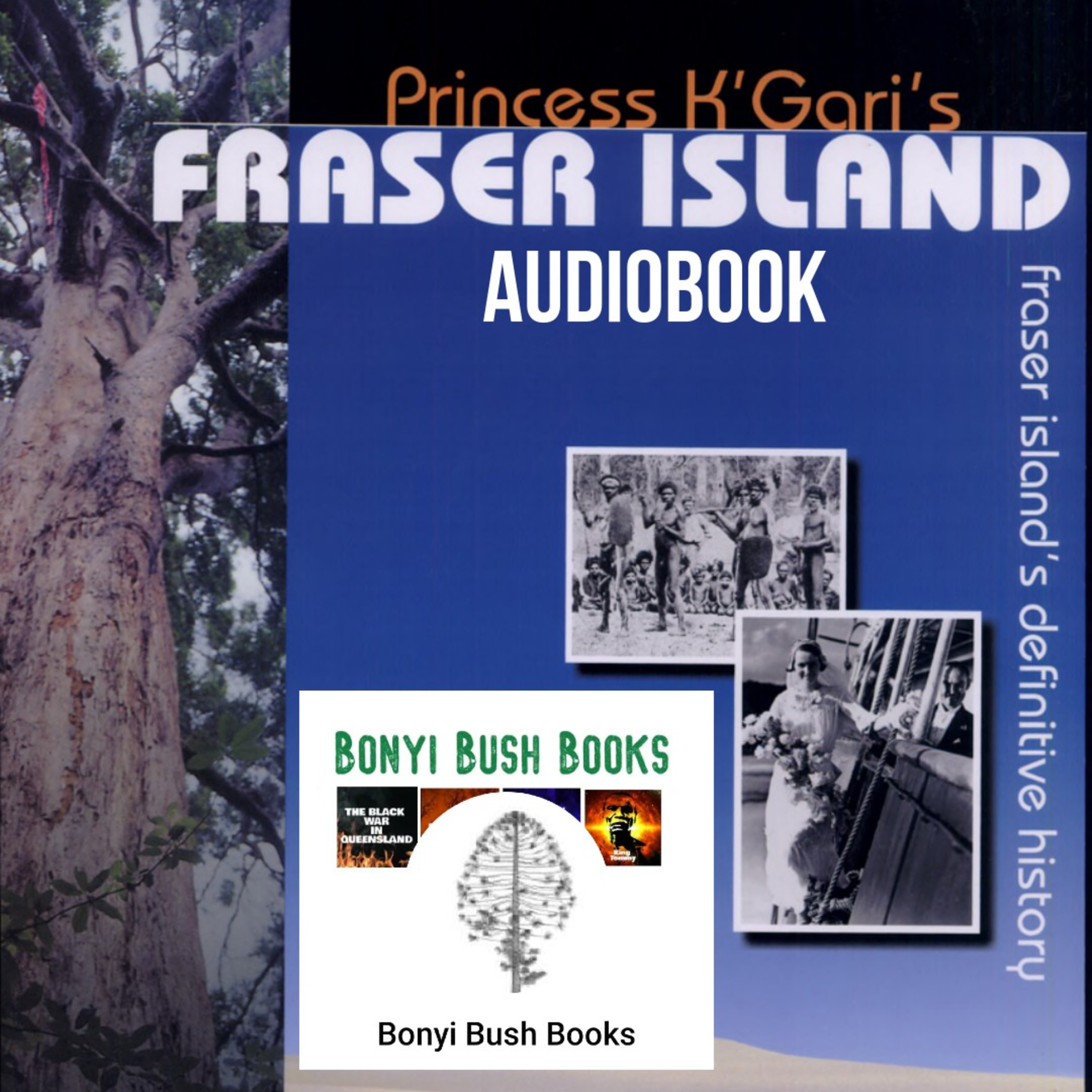
For many thousands of years the world's largest island sand mass was called K'gari, or ‘paradise’, by its inhabitants. Then, in 1836, a group of shipwreck survivors from the brig Stirling Castle found their way to its shores. The death of Captain Fraser, and his wife Eliza's ordeals on the island until her rescue, was to make the sort of news that was lapped up around the world. These events were to give the island a new name and a new notoriety, but the force of change that overtook the island so rapidly had already begun its inexorable course. It began on the day Captain Cook reached the East Coast of Australia. With the advent of the European, paradise became paradise lost. Its inhabitants were thrust out, not only into exile but also into near extinction. Fraser Island, largest Sand Island in the world and southern anchor of the Great Barrier Reef, is about 120 kilometres long and varies from 22 to 5 kilometres in width. It has a total area of 168,668 hectares. The island stretches northward, separated from the mainland by Great Sandy Strait but following the curve of the coast from above Inskip Point to Urangan. Then, as the mainland veers away to the west, Fraser points an independent finger northward, to end at Sandy Cape. The subtle influence of the sand mass continues, in the shape of the notoriously dangerous Breaksea Spit. This long, narrow stretch of compacted coral and sandy shallows, which has been the graveyard of many ships and yachts, extends to within 30 kilometres of Lady Elliott Island. The natural features of Fraser Island are superb by any standards but are all the more amazing when one considers that the island is made entirely of sand. When the sea level fell during the ice ages less than a million years ago, sand from the exposed continental shelf around Australia formed great dunes along the coastline, and the island as we know it today is a section of these huge dunes. Very gradually, vegetation became established on the dunes in spite of constant opposition from sea, wind and travelling sand. Dying plants contributed to the fertility, helping to produce a fine layer of humus. From these tenuous beginnings came today’s towering forests. Brush Box, satinay, blackbutt, hoop pine and kauri abound in the scrubs. Their trunks soar too high, too fast for credibility; the canopy, a green explosion in the upper atmosphere, filters the sunlight into rays shimmering on to the forest floor. Stands of timber falling, decaying, decomposing into peat have made possible another of Fraser's wonders: its many perched lakes. Some of the lakes on the island are simply ‘windows’ in the water table but the perched lakes, some as much as 70 metres above sea level, sit in unlikely basins of sand, a fine layer of peat caulking a waterproof layer in the dune. Each lake has its own brand of beauty.
Embed this episode
Ready to play
Princess Kgari
No transcript for this episode yet
Similar Episodes
No similar episodes found.
Similar Podcasts
No similar podcasts found.