
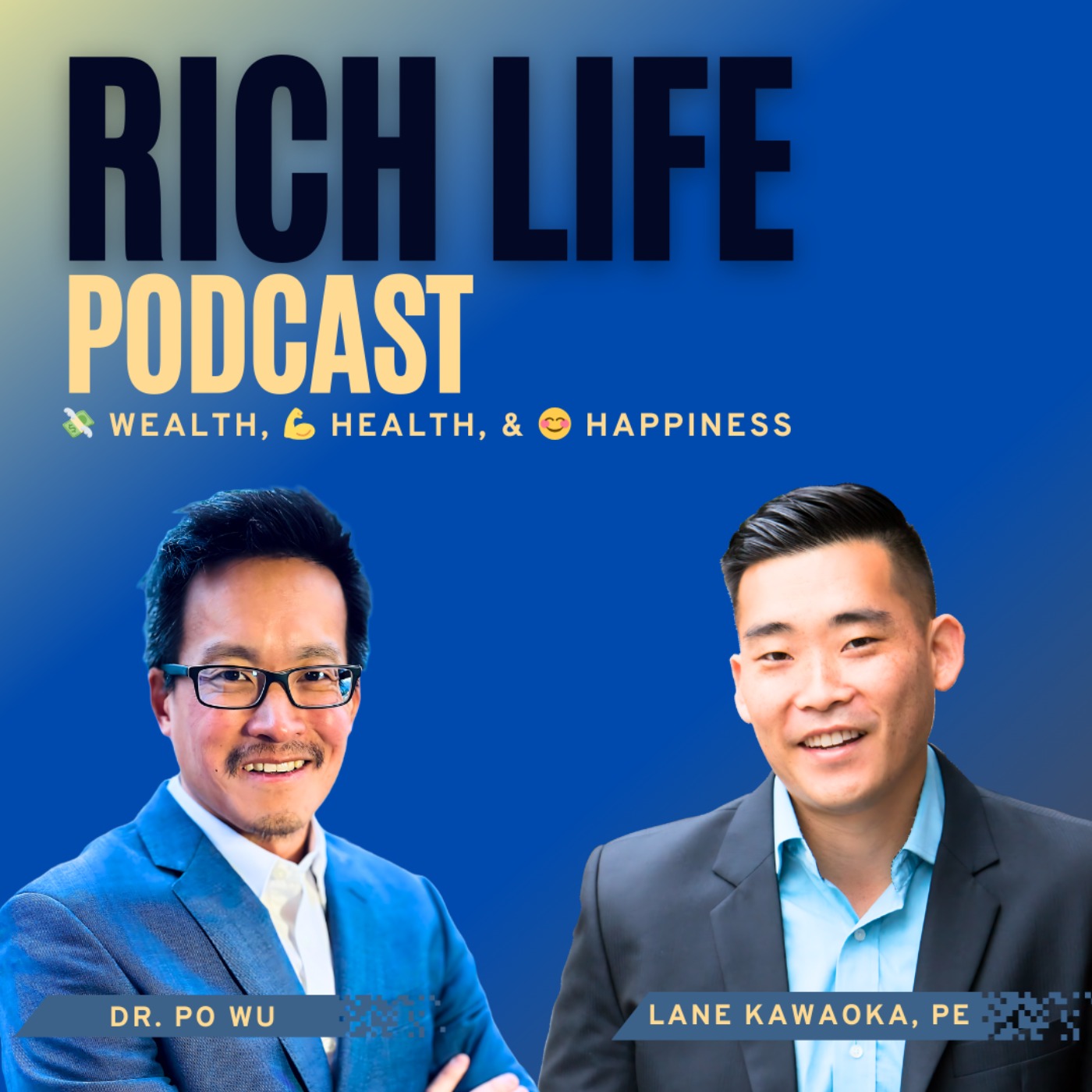
EPISODE · Aug 31, 2026 · 18 MIN
Procedural Memory, Creativity, and AI Are Changing the Human Edge
Connect with Us: Join our Investment Community over over 14,000: https://thewealthelevator.com/clubFor Holistic Wellness and Performance Coaching: connect with Dr. Po at drpowu.comThe host shares how he recently started playing the violin again after quitting around age 17–18 due to a strict upbringing and leaving the instrument untouched for about 25 years, then being surprised by how quickly his skills returned. He explains this through neuroscience as the difference between declarative memory (facts stored in the hippocampus that fade without reinforcement) and procedural/motor memory (stored in the cerebellum and basal ganglia and more durable), comparing it to professionals struggling to retake certification exams and athletes retaining pattern-recognition skills. The conversation expands to how high achievers often shelve creative pursuits as impractical, why nurturing “right-brain” skills like creativity, emotional attunement, and flow can improve adaptability and effectiveness, and how AI is commoditizing traditional analytical intelligence, making human-centered soft skills more valuable. They encourage listeners to resume a neglected creative outlet despite initial discomfort.00:00 Picking Up Violin Again00:35 Why Now After 4001:22 Skills Came Back Fast02:07 How Good Was He03:19 Two Memory Systems04:18 Tests Versus Real Skill05:23 Sports Pattern Recognition06:49 Creativity And Career Paths08:17 Why We Shelve Art10:00 Right Brain Benefits11:32 Discomfort And Flow State14:26 AI Makes Soft Skills Scarce16:02 Sales And Human Edge17:10 Challenge Pick It Up Again17:51 Comedy And Improv Practice18:34 Wrap Up And Goodbye Hosted on Acast. See acast.com/privacy for more information.
Embed this episode
Ready to play
Procedural Memory, Creativity, and AI Are Changing the Human Edge
No transcript for this episode yet
Similar Episodes
No similar episodes found.
Similar Podcasts
No similar podcasts found.