
EPISODE · Mar 4, 2021 · 1H 4M
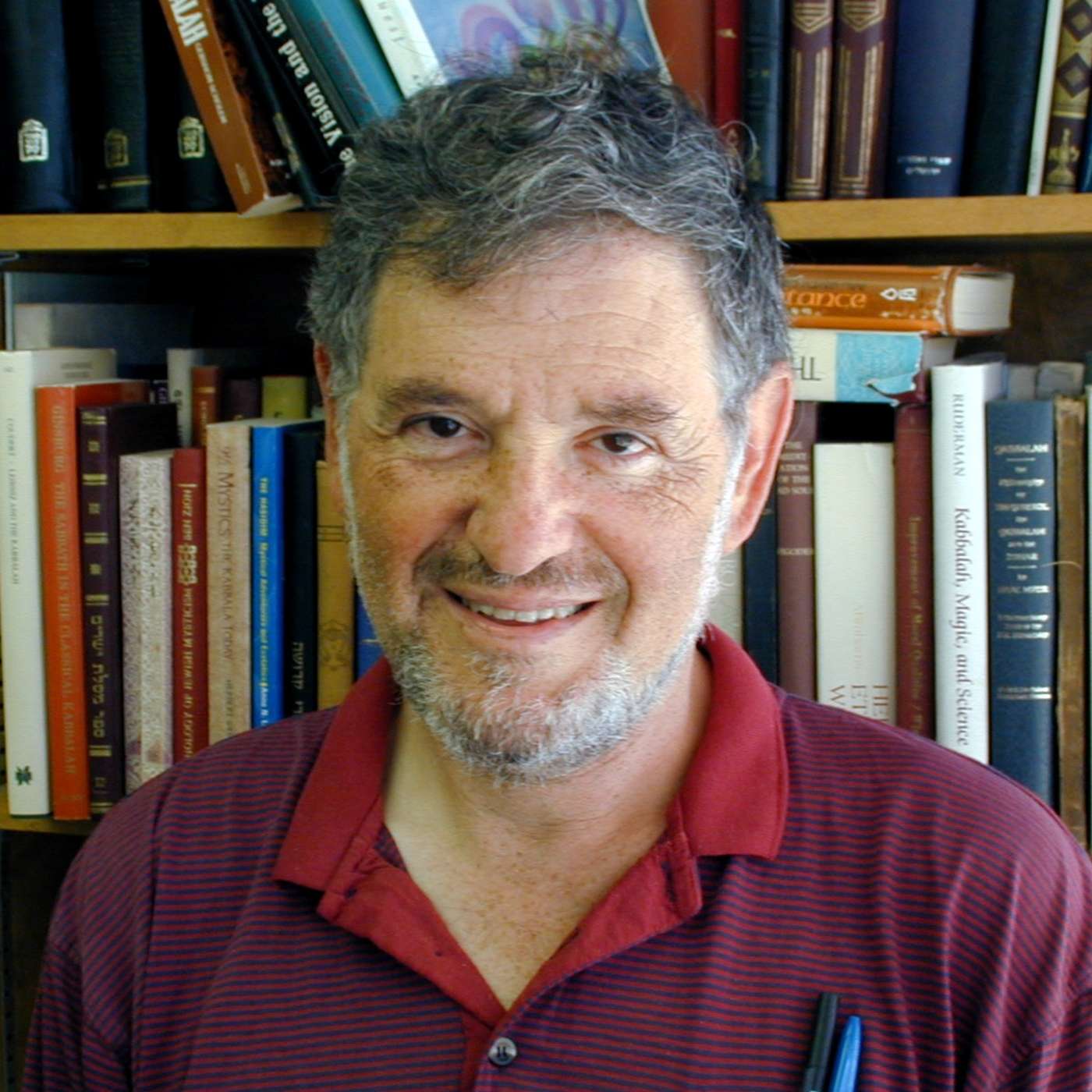
Professor Joel Gereboff - Who and What Should I Fear: Early Rabbinic Views
from Jewish Ideas to Change the World · host Valley Beit Midrash
Although we generally think of emotions as experiences of individuals, a great deal of recent research demonstrates that emotions are often socially formed and serve social roles. Societies define when certain emotions are appropriate and often cultivate individuals to experience these emotions in particular circumstances. By endorsing or condemning the experiencing and displaying of particular emotions, groups seek to regulate the behavior of their members. A prime example of the effort at shaping emotional experience is how societies through a variety of media, written, visual, oral, deploy the emotion of “fear.” A group can come to be defined by the people or developments it should fear. The politics of fear is rampant in our world today, as the events of the past year amply demonstrate cultures, religions, and societies, however, have endorsed or condemned “fear” over the course of human history. “Fear” is the most commonly mentioned emotion throughout the Hebrew Bible (Tanakh). Although there has been a good deal written about “fear” in the Tanakh, including both the fear of God and the fear of humans, the limited analysis of references to “fear” in rabbinic texts has focused primarily upon the fear of the divine, with little investigation of what these texts say about interpersonal fear. In my shiur I will examine what early rabbinic texts say about who and what we ought and ought not to fear. We will come to see how these texts seek to shape the emotions and behaviors of both individuals and groups. Although we generally think of emotions as experiences of individuals, a great deal of recent research demonstrates that emotions are often socially formed and serve social roles. Societies define when certain emotions are appropriate and often cultivate individuals to experience these emotions in particular circumstances. By endorsing or condemning the experiencing and displaying of particular emotions, groups seek to regulate the behavior of their members. A prime example of the effort at shaping emotional experience is how societies through a variety of media, written, visual, oral, deploy the emotion of “fear.” A group can come to be defined by the people or developments it should fear. The politics of fear is rampant in our world today, as the events of the past year amply demonstrate cultures, religions, and societies, however, have endorsed or condemned “fear” over the course of human history. “Fear” is the most commonly mentioned emotion throughout the Hebrew Bible (Tanakh). Although there has been a good deal written about “fear” in the Tanakh, including both the fear of God and the fear of humans, the limited analysis of references to “fear” in rabbinic texts has focused primarily upon the fear of the divine, with little investigation of what these texts say about interpersonal fear. In my shiur I will examine what early rabbinic texts say about who and what we ought and ought not to fear. We will come to see how these texts seek to shape the emotions and behaviors of both individuals and groups. DONATE: www.bit.ly/1NmpbsP LEARNING MATERIALS: www.valleybeitmidrash.org/wp-content/u…-MOSHE-1.pdf For podcasts of VBM lectures, GO HERE: www.valleybeitmidrash.org/learning-library www.facebook.com/valleybeitmidrash BECOME A MEMBER: www.valleybeitmidrash.org/become-a-member Valley Beit Midrash is proud to host the Jaburg Wilk Learning Season. Learn more about Jaburg Wilk at: www.jaburgwilk.com/ ★ Support this podcast ★
Embed this episode
NOW PLAYING
Professor Joel Gereboff - Who and What Should I Fear: Early Rabbinic Views
No transcript for this episode yet
Similar Episodes
No similar episodes found.
Similar Podcasts
No similar podcasts found.